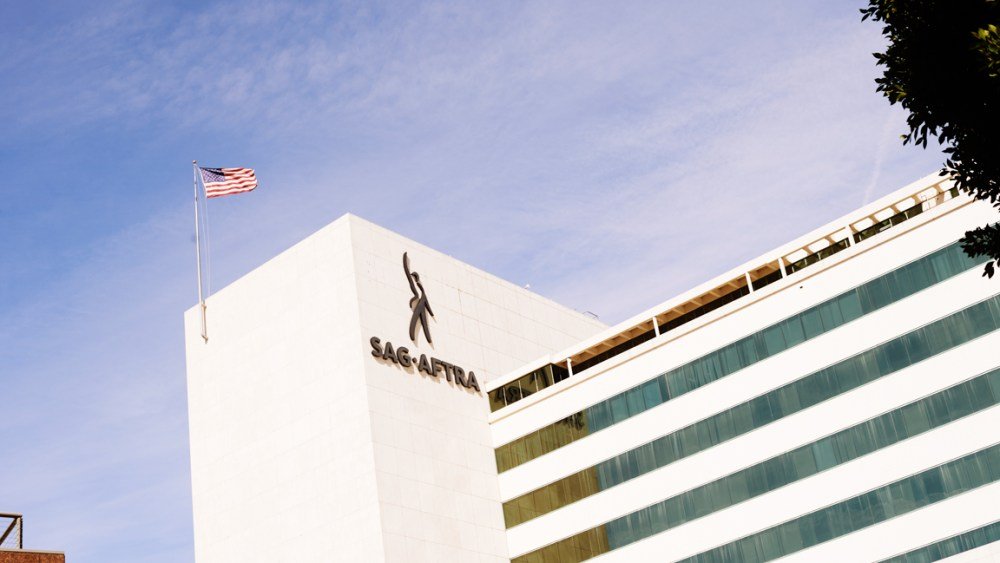
The Screen Actors Guild – American Federation of Television and Radio Artists (SAG-AFTRA) board has officially approved a groundbreaking four-year contract with major Hollywood studios. This significant development, which follows extensive negotiations and periods of labor unrest within the entertainment industry, introduces a wide array of changes, but none has garnered as much attention and debate as the planned merger of the union's two pension funds. The board's decision, reached on Monday with an impressive 89% vote in favor, sets the stage for a crucial ratification vote by the union's expansive membership, a process that will determine the future financial security of thousands of actors and media professionals.
The Core of the Agreement: A Four-Year Deal with Major Studios
This recently approved contract represents the culmination of intense negotiations between SAG-AFTRA and the Alliance of Motion Picture and Television Producers (AMPTP), the negotiating body for major studios including Disney, Netflix, Warner Bros. Discovery, and Amazon. The four-year agreement addresses several critical issues that were at the heart of the historic actors' strike, such as increased compensation, residuals for streaming content, and protections against the misuse of artificial intelligence (AI). While many aspects of the deal have been met with relief and cautious optimism, particularly regarding the improvements in working conditions and performer protections, the provision concerning the pension funds has emerged as a focal point of discussion and, for some, significant apprehension.
Unpacking the Pension Fund Merger Plan
At the center of the controversy is the directive to merge SAG-AFTRA's two distinct pension funds, a plan slated to take effect on January 1, 2028. Historically, the union has maintained separate pension plans for its Screen Actors Guild (SAG) members and its American Federation of Television and Radio Artists (AFTRA) members, a legacy of the 2012 merger that formed the current SAG-AFTRA union. These funds, while both designed to provide retirement benefits, have operated under separate administrative structures and, at times, faced differing financial pressures. The proposed consolidation aims to unify these systems, streamline operations, and, according to proponents, bolster the long-term solvency and stability of members' retirement savings.
The Rationale Behind Consolidation
The primary drivers behind the move to merge the pension funds are often cited as administrative efficiency and enhanced financial stability. Union leadership and actuaries involved in the proposal argue that consolidating the two funds into a single entity could lead to significant cost savings by reducing duplicate administrative functions, such as separate investment management fees, legal counsel, and operational staff. Furthermore, a merged fund, with its larger asset base, might benefit from greater investment diversification and potentially achieve better returns through economies of scale. Proponents also suggest that a unified fund could better withstand market volatility and address the long-term sustainability challenges that many multi-employer pension plans face, ensuring more robust retirement security for future generations of performers.
Sources of Controversy and Member Concerns
Despite the stated benefits, the planned pension fund merger has been a significant source of contention among the union's membership. A key concern revolves around the potential impact on benefit structures. Members from the legacy SAG fund and the legacy AFTRA fund often have different eligibility requirements and benefit calculations based on their contribution histories and employment patterns. There are fears that a merger could lead to a reduction or alteration of benefits for some members, particularly those close to retirement or those who have contributed heavily to one fund over many years. Transparency in the merger process, the complex actuarial calculations involved, and the perceived lack of direct input from the broader membership have also fueled skepticism. Retirees, in particular, worry about any changes that could jeopardize their fixed income and established retirement plans, leading to a strong call for detailed explanations and assurances from the union's leadership.
The Ratification Process: Members' Crucial Vote
Following the board's decisive 89% vote, the focus now shifts to the broader SAG-AFTRA membership, which holds the ultimate power to ratify or reject the contract. This democratic process is a cornerstone of union governance, allowing individual members to weigh the pros and cons of the entire agreement, including the contentious pension merger. The union will typically conduct informational meetings, webinars, and provide detailed summaries of the contract's provisions to ensure members are well-informed before casting their ballots. The outcome of this vote is not merely a formality; it will dictate the terms of employment for thousands of entertainment professionals for the next four years and reshape the landscape of their retirement benefits for decades to come. A successful ratification would signal a strong mandate for the leadership's vision, while a rejection would necessitate a return to the negotiating table or potentially more drastic measures.
Broader Implications for SAG-AFTRA and the Entertainment Industry
The resolution of the SAG-AFTRA contract, particularly with the inclusion of the pension fund merger, carries far-reaching implications. For individual members, it directly impacts their earnings, their working conditions, and their long-term financial stability in an often-unpredictable industry. For the union itself, the handling and outcome of this merger will test its ability to unite diverse member interests and navigate complex financial challenges. Beyond SAG-AFTRA, this contract could set precedents for other entertainment industry unions and multi-employer pension plans facing similar pressures. The way the industry addresses issues of financial security, technological disruption, and labor rights in this landmark agreement will be closely watched, shaping future negotiations and the overall health of the entertainment ecosystem for years to come.
As the SAG-AFTRA membership prepares to cast their critical votes, the discussions surrounding the pension fund merger will undoubtedly intensify. This decision is not just about a contract; it's about the fundamental promise of retirement security for those who bring stories to life on screen and radio. To stay fully informed on this developing story and gain deeper insights into how these changes will impact the entertainment world, continue exploring the in-depth analyses and expert commentary available here at NAME OF SITE.
Fonte: https://variety.com