The Assassin's Creed franchise stands as one of the most globally recognized and influential intellectual properties in the gaming world. Since its inception in 2007, it has carved out a significant niche, captivating millions with its blend of historical fiction, parkour mechanics, and stealth-action gameplay. However, even titans of the industry are not immune to development challenges, and recent reports suggest that an upcoming installment in this beloved series might be facing the significant hurdle of potential cancellation. This news, while unconfirmed by publisher Ubisoft, has sparked considerable discussion among fans and industry analysts alike, highlighting the inherent volatility and high stakes involved in modern AAA game development.
The Enduring Legacy of Assassin's Creed: A Narrative of Highs and Lows
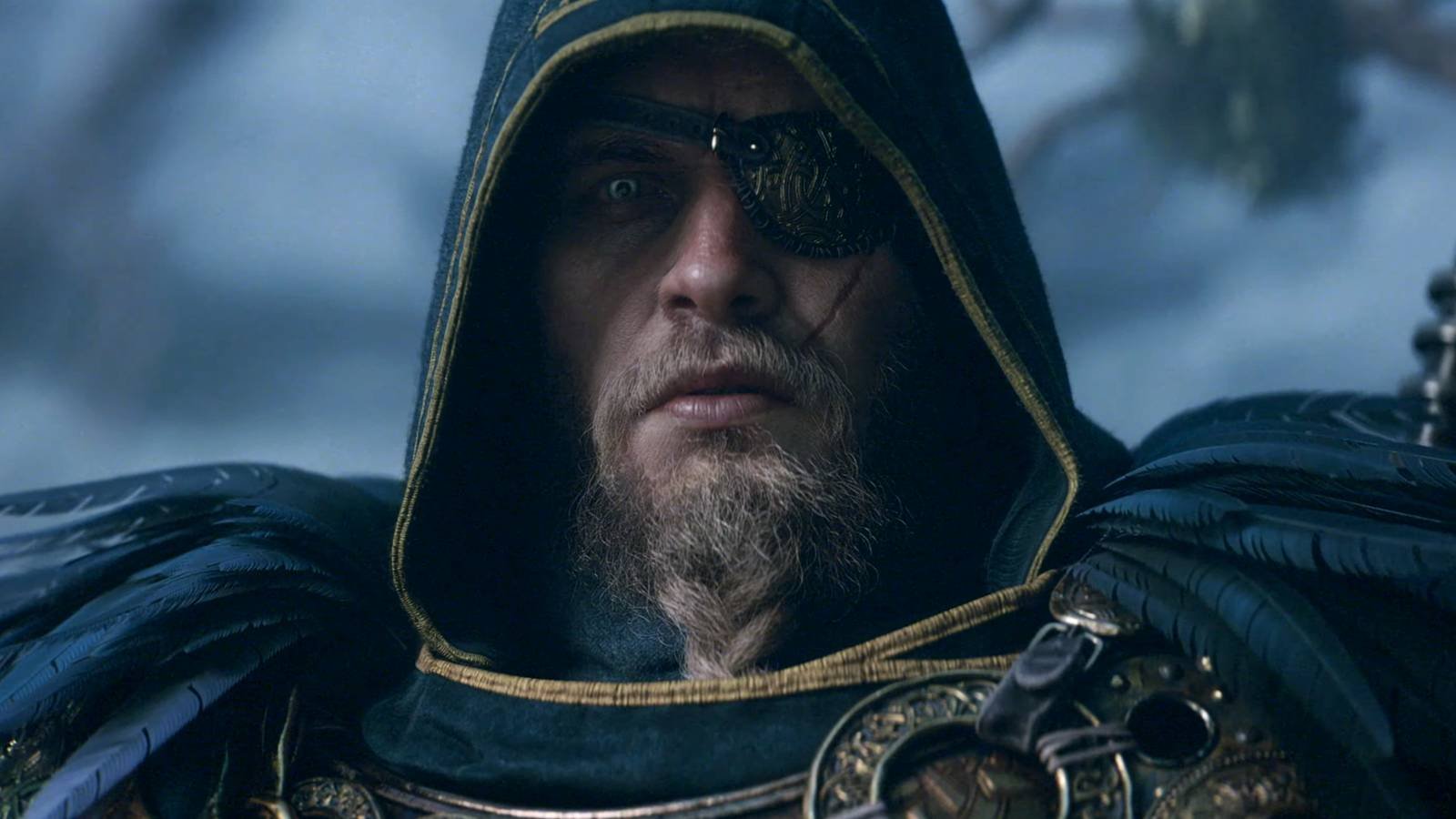
Over its fifteen-year history, the Assassin's Creed series has navigated a complex path, experiencing both critical acclaim and periods of controversy. It has evolved from its initial stealth-focused roots, exemplified by games like the original and its direct sequels, into expansive open-world action RPGs such as Assassin's Creed Odyssey and Valhalla. This continuous reinvention, while keeping the franchise relevant, has also led to varied receptions, with some entries being celebrated as masterpieces and others facing heavy criticism. Understanding this fluctuating trajectory is crucial to comprehending the context of any potential development setbacks.
Pinnacles of Perfection: The Unforgettable Era of Ezio Auditore
Among the many entries, Assassin's Creed II is frequently cited as a high point, often lauded as one of the greatest games in the series and indeed, the action-adventure genre. Released in 2009, it introduced Ezio Auditore da Firenze, a charismatic protagonist whose compelling journey through Renaissance Italy resonated deeply with players. The game refined the core mechanics, offering a richer narrative, diverse side activities, and an enhanced sense of progression. Its commercial and critical success solidified the franchise's standing and set a high bar for future installments, demonstrating the potential for immersive storytelling within a meticulously crafted historical setting.
Navigating the Valleys: The Tumultuous Launch of Assassin's Creed Unity
Conversely, the series has also encountered significant obstacles, with Assassin's Creed Unity serving as a stark reminder of the perils of rushed development and ambitious technical aspirations. Launched in 2014, Unity aimed to push graphical boundaries and introduce revolutionary cooperative multiplayer. However, its release was plagued by a myriad of severe technical issues, including pervasive bugs, debilitating performance problems, and graphical glitches that became viral sensations. The game's infamously broken state at launch severely impacted player trust and Ubisoft's reputation, necessitating extensive post-launch patching and a public apology. This event underscored the critical importance of polish and stability in delivering a satisfactory player experience.
Deconstructing the Rumor: Potential Factors Behind a Cancellation
While the specific reasons for the reported risk of cancellation remain undisclosed and unconfirmed, industry insiders and analysts can speculate on several common factors that lead to such a drastic decision in game development. These typically range from internal development hurdles to broader strategic shifts within the publishing company. It's imperative to remember that these are hypothetical scenarios based on established patterns in the video game industry, not confirmed facts about the particular Assassin's Creed project in question.
Intricate Development Challenges and Unforeseen Setbacks
The creation of a modern AAA video game is an immensely complex undertaking, often spanning several years and involving hundreds of developers. Projects can frequently encounter 'development hell' due to a variety of factors. These might include ambitious scope creep, where the initial vision expands beyond realistic timelines and budgets; fundamental technical issues with the game engine or new mechanics; internal disagreements over creative direction; or even unexpected changes in technology or market trends. When these challenges become insurmountable, or the cost of rectifying them outweighs the projected returns, a cancellation becomes a grim but sometimes necessary reality for publishers.
Ubisoft's Evolving Strategy and Financial Pressures
Ubisoft, like many major publishers, has faced its share of financial turbulence and strategic realignments in recent years. The company has publicly stated its intention to focus on fewer, higher-quality releases, shifting away from the more frequent, sometimes criticized, annual release schedule of the past. This strategic pivot aims to ensure that each title receives ample development time and resources to achieve peak quality. In this context, if an Assassin's Creed project is deemed unlikely to meet internal quality benchmarks or market expectations, or if it doesn't align with the company's refined portfolio strategy, a cancellation could be a pragmatic, albeit difficult, business decision to safeguard future investments and maintain brand integrity.
Mitigating Franchise Fatigue and Reinventing Relevance
Another factor that could influence such a decision is the pervasive concern of 'franchise fatigue.' With numerous Assassin's Creed titles released over the years, some segments of the player base have expressed a desire for more significant innovation and a break from established formulas. If the rumored game was perceived internally as not offering enough novelty or failing to capture the unique essence that defines the series, it might be seen as a risk to the brand's long-term health. Ubisoft is under pressure to deliver an experience that both honors the franchise's legacy and introduces fresh, compelling reasons for players to engage, thus avoiding a mere reiteration of past successes.
The Vision of Project Infinity: Shaping the Future of the Animus
Ubisoft's overarching plan for the future of the Assassin's Creed universe revolves around 'Project Infinity,' an ambitious live-service hub designed to connect multiple distinct Assassin's Creed experiences. This modular approach is intended to provide a continuous stream of content, ranging from large-scale RPGs like 'Codename Red' (set in feudal Japan) and 'Codename Hexe' (a darker, more mysterious entry) to smaller, more focused stealth adventures. Within this framework, a single game's cancellation, while impactful, could potentially be absorbed or replaced by other projects within the broader Infinity ecosystem, allowing Ubisoft to reallocate resources and maintain momentum for the overarching strategy.
Striking a Balance: Innovation Versus Core Identity
The challenge for Ubisoft lies in meticulously balancing the demand for innovation with the preservation of the Assassin's Creed core identity. While players appreciate new settings, mechanics, and narrative styles, there's also a strong yearning among some for a return to the franchise's stealth and parkour roots, moving away from the more action-oriented RPG elements of recent installments. Any future project must navigate these expectations, delivering an experience that feels fresh and expansive while still resonating with what fans love most about the series. A cancellation might signify an internal struggle to achieve this delicate equilibrium or a decision to go back to the drawing board to better align with player desires.
Potential Ramifications for Ubisoft and the Broader Gaming Landscape
A confirmed cancellation, even of an unannounced or early-stage project, would carry several implications. Financially, it would represent a write-off of development costs incurred thus far, although this might be mitigated if assets or technologies can be repurposed for other games. Reputationally, while disappointing to fans, it could also be perceived as a commitment to quality if framed as Ubisoft prioritizing a superior player experience. For the development team involved, it could lead to reassignment or, in more severe cases, restructuring. More broadly, it underscores the inherent risks in the highly competitive and capital-intensive AAA game development sector, where even the most established franchises face constant scrutiny and the pressure to deliver unparalleled experiences.
The gaming community awaits further official statements from Ubisoft regarding the future of the Assassin's Creed franchise. While the prospect of a cancellation is undoubtedly concerning, it also highlights the publisher's commitment to delivering a polished and engaging experience that lives up to the series' storied legacy. As new developments unfold, we will continue to provide in-depth analysis and timely updates. To stay informed on all the latest news, rumors, and expert insights from the world of gaming, we encourage you to explore our comprehensive articles and reports right here on our site.
Fonte: https://screenrant.com