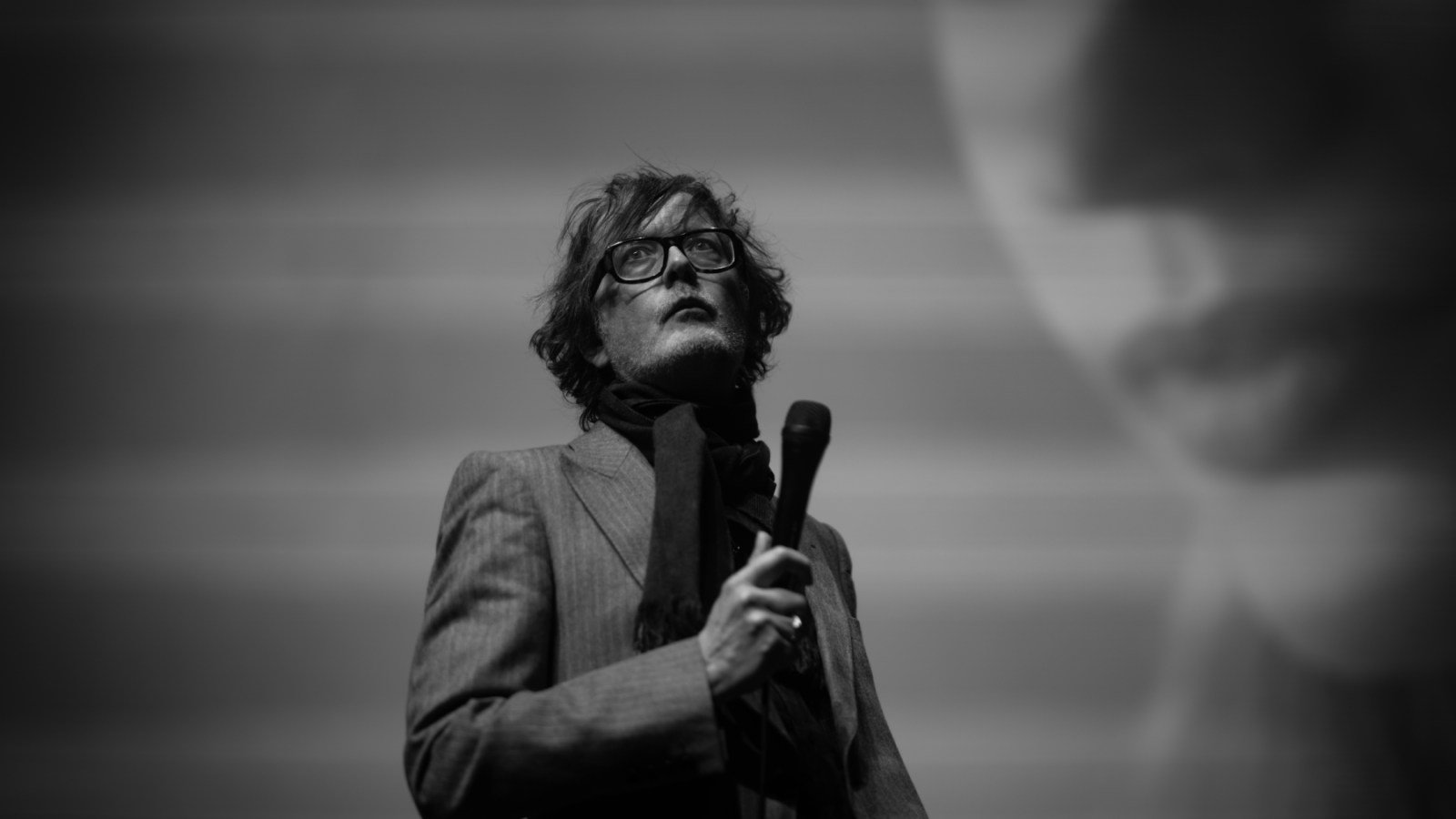

Singaporean filmmaker Anthony Chen, a prominent voice in contemporary Asian cinema, recently issued a stark warning at the Far East Film Festival in Udine, Italy. During a panel discussion, Chen delivered a powerful critique, asserting that social media is systematically eroding human attention spans, profoundly altering cinema culture, and ultimately undermining the fundamental experience of being human. These significant remarks came on the heels of the festival's screening of his latest work, “We Are All Strangers,” which serves as the concluding chapter of his acclaimed Singaporean trilogy.
The Far East Film Festival: A Platform for Critical Dialogue
The Far East Film Festival (FEFF), held annually in Udine, Italy, is a highly regarded event on the international film circuit, celebrated for its dedicated focus on Asian cinema. For over two decades, FEFF has provided a crucial platform for showcasing films from across the Asian continent, fostering cultural exchange, and encouraging critical discourse among filmmakers, critics, and cinephiles worldwide. Chen's choice of this esteemed festival to articulate his concerns underscores the urgency and widespread relevance of his message within the global filmmaking community. His participation not only highlighted his latest film but also positioned him as a thoughtful commentator on broader societal issues intersecting with art.
Anthony Chen himself is an internationally acclaimed director whose work often delves into the complexities of human relationships and societal nuances within Singapore. He rose to global prominence with his debut feature, “Ilo Ilo” (2013), which earned him the prestigious Camera d'Or at the Cannes Film Festival. Known for his intimate storytelling, keen observational eye, and emotionally resonant narratives, Chen has consistently explored themes of family, class, and the quiet struggles of everyday life. His films are characterized by their nuanced performances and a deeply humanistic perspective, making his critique of social media’s impact particularly poignant, as it seemingly challenges the very essence of human connection his art seeks to portray.
“We Are All Strangers”: A Trilogy's Emotional Coda
“We Are All Strangers” arrives as the much-anticipated conclusion to Chen's Singaporean trilogy, following the critically successful “Ilo Ilo” and “Wet Season” (2019). While specific plot details of this final installment are yet to be widely revealed, the title itself — “We Are All Strangers” — powerfully evokes themes of isolation, anonymity, and the often-paradoxical nature of human connection in modern society. Given Chen's consistent thematic preoccupations, it is highly probable that the film explores how individuals navigate a world where physical proximity does not always equate to emotional intimacy, a concept deeply relevant to the digital age. This thematic alignment provides a compelling backdrop for his broader philosophical statements on social media.
Themes of Connection and Disconnection
Chen's trilogy has consistently examined the intricate dynamics of familial and societal bonds, often set against the backdrop of Singapore's rapidly evolving landscape. The concluding chapter likely deepens these explorations, perhaps offering a meditation on how external forces, including technological advancements, influence our ability to truly connect or disconnect. The notion that 'we are all strangers' could be interpreted as a commentary on the superficiality that can arise from mediated interactions, where genuine understanding is overshadowed by curated self-presentation. This cinematic exploration directly mirrors his concerns regarding social media's role in fostering a sense of alienation despite constant virtual 'connectedness,' making his film an artistic extension of his panel critique.
Deciphering the Critique: Social Media's Multifaceted Impact
The Erosion of Human Attention
At the core of Chen's critique is the profound impact of social media on human attention spans. In an era dominated by instant gratification, endless scrolling, and a relentless stream of notifications, the human mind is increasingly conditioned for fleeting engagement. This 'attention economy' fosters a fragmented mindset, making it challenging to sustain focus on nuanced narratives, contemplative art forms, or extended periods of deep thought. For cinema, an art form that often demands sustained immersion and patience, this erosion of attention presents a significant threat, potentially diminishing audiences' capacity to appreciate complex storytelling and slow-burn character development.
Reshaping Cinema Culture
Social media's influence extends beyond individual attention to the very fabric of cinema culture. It affects how films are discovered, discussed, and consumed. Complex cinematic works can be reduced to viral soundbites, memes, or superficial ratings, flattening critical discourse and reducing the depth of engagement. Marketing strategies often prioritize instant 'shareability' over genuine artistic merit. Furthermore, the echo chambers created by algorithms can limit exposure to diverse perspectives and independent cinema, potentially steering audience preferences towards easily digestible, mass-produced content. This digital landscape challenges the traditional communal and immersive experience of watching a film in a theater, where shared silence and collective emotional response are paramount.
A Threat to Fundamental Humanity
Perhaps Chen's most profound assertion is that social media is hurting the 'fundamental experience of being human.' This speaks to a deeper concern about the quality of human connection and authentic interaction. Social platforms, while promising connection, often foster superficial engagement, replacing genuine empathy with curated performance and validation-seeking. The constant comparison to idealized online lives can fuel anxiety, loneliness, and a diminished sense of self-worth. Chen's remarks suggest a growing alienation, where authentic human experiences – true presence, deep conversations, quiet introspection – are increasingly mediated and diluted by digital interfaces, leading to a loss of profound emotional and intellectual engagement with the world and each other.
A Broader Societal Conversation
Anthony Chen's critique resonates with a rapidly growing global conversation among educators, psychologists, technologists, and ethicists. From concerns about rising rates of mental health issues among young adults linked to social media use to debates on digital addiction and the spread of misinformation, the detrimental impacts of a hyper-connected world are under intense scrutiny. His voice, from the perspective of an artist deeply invested in portraying human truths, adds a crucial cultural and philosophical dimension to this ongoing dialogue, highlighting the often-unseen costs to our collective humanity and our capacity for deep appreciation of art.
Preserving Authenticity in a Digital Age
Chen’s powerful message from Udine serves as a vital call to action for both creators and consumers of art. It implicitly challenges filmmakers and artists to produce work that actively counters the prevailing trends of superficiality and fragmented attention, creating narratives that demand and reward deep engagement. For audiences, it’s an invitation to consciously re-evaluate their relationship with technology, fostering practices that prioritize genuine human connection, sustained focus, and a more deliberate engagement with cultural experiences like cinema. In a world increasingly dominated by digital noise, the preservation of spaces for authentic introspection and shared, immersive experiences becomes not just an artistic imperative but a human necessity.
Anthony Chen's profound reflections underscore the urgent need for a collective reassessment of our relationship with technology and its far-reaching consequences. His films, celebrated for their authentic portrayal of human life, and his insightful critique, invite us to step back and contemplate what it truly means to be present and genuinely connected in an increasingly fragmented world. For more in-depth analyses of cinematic trends, technological impacts on culture, and thought-provoking discussions, continue exploring the diverse articles and features offered here at [NAME OF SITE].
Fonte: https://variety.com