For nearly three decades, the iconic wasteland of the original Fallout has captivated players with its grim humor, difficult moral choices, and unparalleled world-building. Now, 29 years after its initial release, the foundational title that launched one of gaming's most beloved franchises is reportedly undergoing a comprehensive fan-led remake. This ambitious project signals a renewed appreciation for the series' roots, particularly at a time when the franchise is experiencing a massive resurgence in popularity. While later entries like Fallout 3 are often credited with bringing the series into the mainstream through their transition to a 3D first-person perspective, the enduring appeal and depth of the 1997 classic continue to resonate with a dedicated community, sparking this significant endeavor to modernize its timeless experience.
The Enduring Legacy of Fallout (1997)
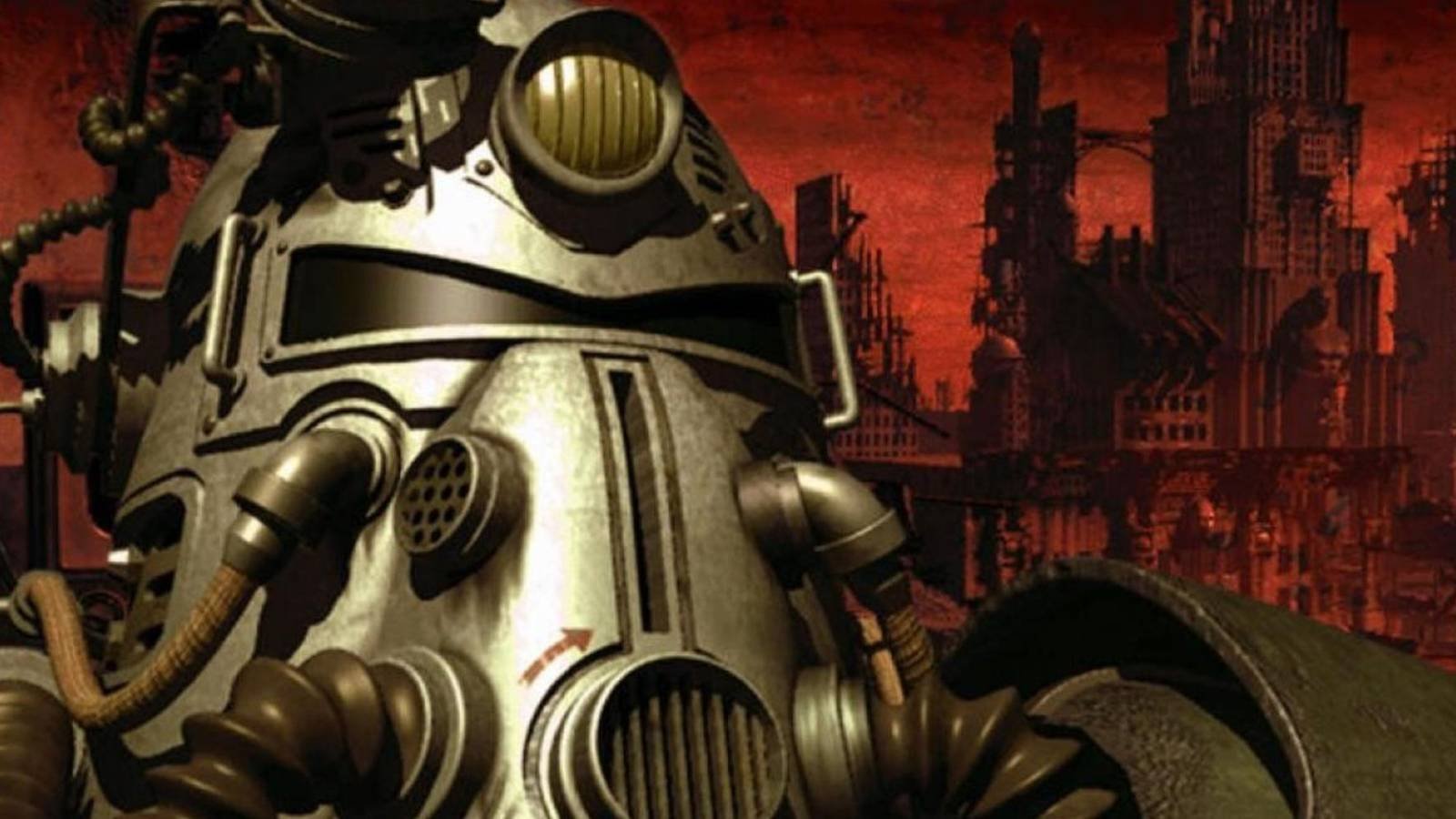
Released in 1997 by Interplay Productions, the original Fallout: A Post Nuclear Role Playing Game wasn't just another computer RPG; it was a groundbreaking title that redefined the genre. Set in a post-apocalyptic Southern California in the year 2161, the game plunged players into a harsh, unforgiving world scarred by nuclear war. Its isometric perspective, turn-based combat, and unparalleled freedom of choice set it apart. Players navigated a complex narrative where every decision carried weight, often with morally ambiguous outcomes. Fallout’s unique blend of 1950s retro-futurism with a darkly comedic, yet profoundly serious, take on societal collapse fostered a distinct aesthetic and philosophical depth that would become the hallmark of the entire series. It challenged players to think critically about survival, humanity, and the consequences of war, earning widespread critical acclaim for its mature themes and innovative gameplay mechanics.
A Pioneering Vision of Post-Apocalyptic America
The original Fallout meticulously crafted its unique universe, establishing the rich lore and visual identity that subsequent games would build upon. Its setting wasn't just a backdrop; it was a character in itself, filled with mutated creatures, desperate survivors, and the ruins of a bygone era. The game introduced iconic factions like the Brotherhood of Steel and the Super Mutants, laying the groundwork for intricate political and social dynamics within the wasteland. Crucially, it established the 'Vault-Tec' narrative, where humanity sought refuge in underground shelters, only to emerge into a world vastly changed. This foundational game not only presented a bleak future but infused it with a cynical charm and often laugh-out-loud moments of dark humor, creating a compelling and unforgettable vision of post-apocalyptic America that had not been seen with such depth and consistency in video games prior to its release.
Fallout 3: The Franchise's Pivotal Leap to 3D Immersion
While the original Fallout cultivated a dedicated fanbase, it was Fallout 3, released in 2008 by Bethesda Game Studios, that undeniably propelled the franchise into the global mainstream. This entry marked a monumental shift, transforming the series from an isometric, turn-based RPG into a sprawling 3D first-person shooter with robust role-playing elements. This transition brought post-apocalyptic America to life in an unprecedentedly immersive manner, allowing players to explore the decimated ruins of Washington D.C. (the Capital Wasteland) with an immediate, visceral connection that the top-down perspective simply couldn't offer. The sheer scale, detailed environments, and freedom to traverse a truly open world captivated millions of new players, making the jump to 3D a critical factor in the franchise's expanded appeal and commercial success.
Bridging Generations of Gamers with Evolved Storytelling
Fallout 3 served as a crucial bridge, introducing a new generation of gamers to the thematic richness and world-building established by its predecessors. Its shift to a real-time combat system, complemented by the innovative V.A.T.S. (Vault-Tec Assisted Targeting System), offered a fresh take on tactical gameplay within a dynamic open world. This iteration retained the series' core elements – difficult moral choices, exploration, and a deep sense of atmosphere – while making them accessible to a wider audience accustomed to modern gaming conventions. The critical and commercial success of Fallout 3 proved that the essence of the franchise, rooted in its unique blend of survival, exploration, and poignant storytelling, could thrive and evolve across different technological and gameplay paradigms, thereby cementing its place as a gaming titan.
The Fan-Driven Remake: Modernizing a Cherished Classic
The announcement of a fan-led remake for the original Fallout speaks volumes about the passion and dedication within its community. While official remakes from publishers are often a boon, fan projects frequently emerge from a desire to faithfully preserve and enhance beloved titles that might otherwise remain untouched by modern developers. This particular remake aims to rebuild the 1997 classic from the ground up, likely utilizing contemporary game engines such as Unreal Engine 5. The primary goal is often to update graphics, improve user interface, streamline quality-of-life features, and perhaps even implement voice acting for all dialogue, without altering the core gameplay, narrative, or artistic vision that made the original so beloved. Such projects are immense undertakings, requiring meticulous attention to detail and a deep understanding of the source material to ensure authenticity and appeal to both veteran fans and newcomers.
Challenges and Aspirations in Game Preservation
Modernizing a classic like the original Fallout presents a unique set of challenges. The development team must carefully balance the desire for contemporary polish with the imperative to maintain the game's retro aesthetic and mechanical integrity. Graphics will be vastly improved, but how will the new visuals impact the game's intentionally gritty and desolate atmosphere? Will modern control schemes enhance or detract from the strategic depth of the original's turn-based combat? There's also the delicate task of preserving the original's dark humor and mature themes without inadvertently sanitizing or misinterpreting them. Furthermore, navigating legal complexities surrounding intellectual property, even for fan-made projects, can be a hurdle. Ultimately, the aspiration is to reintroduce a gaming masterpiece to a new generation, allowing them to experience the profound depth and impact of the original Fallout in a format that meets today's technological expectations, while simultaneously offering long-time fans a revitalized journey into the wastes they hold so dear.
The Resurgence of Fallout's Popularity
This fan-driven remake arrives at a particularly opportune moment for the Fallout franchise. The recent critical and commercial success of the Amazon Prime Video series has ignited an unprecedented surge in interest across all Fallout titles. The show, which brilliantly captured the unique tone, aesthetic, and thematic depth of the games, introduced the wasteland to a massive new global audience. Consequently, older entries like Fallout 4 and even the multiplayer Fallout 76 have seen significant spikes in player counts, demonstrating the enduring appeal of the series' universe. This renewed spotlight on Fallout creates an ideal environment for a remake of the original, allowing the foundational game to potentially reach a wider audience than ever before and provide crucial context for those who have only just discovered the series through its latest adaptation.
What This Remake Means for the Franchise's Future
The successful execution of this fan remake could have profound implications for the Fallout franchise. It highlights the immense dedication of its community and serves as a powerful testament to the timeless design and narrative quality of the original game. For Bethesda, the current stewards of the series, a high-quality fan remake could offer valuable insights into player desires for official remasters or re-imaginings of their classic titles. It underscores the commercial viability of revisiting older games, particularly given the current cultural momentum. Furthermore, it reinforces the idea that true classics transcend generations, proving that the tales of the wasteland, from the very first Vault Dweller's journey to the latest adventures, continue to be relevant, compelling, and ripe for exploration in new and modernized forms, keeping the spirit of Fallout alive for decades to come.
The prospect of revisiting the original Fallout with modern enhancements is undeniably exciting for fans old and new. As the wasteland expands its reach across different media, projects like this fan-led remake ensure that the genesis of this beloved universe remains accessible and celebrated. Dive deeper into the rich history of gaming and explore more stories like this by continuing to browse NAME OF SITE, your ultimate source for in-depth analysis and the latest news in the world of entertainment.
Fonte: https://screenrant.com