
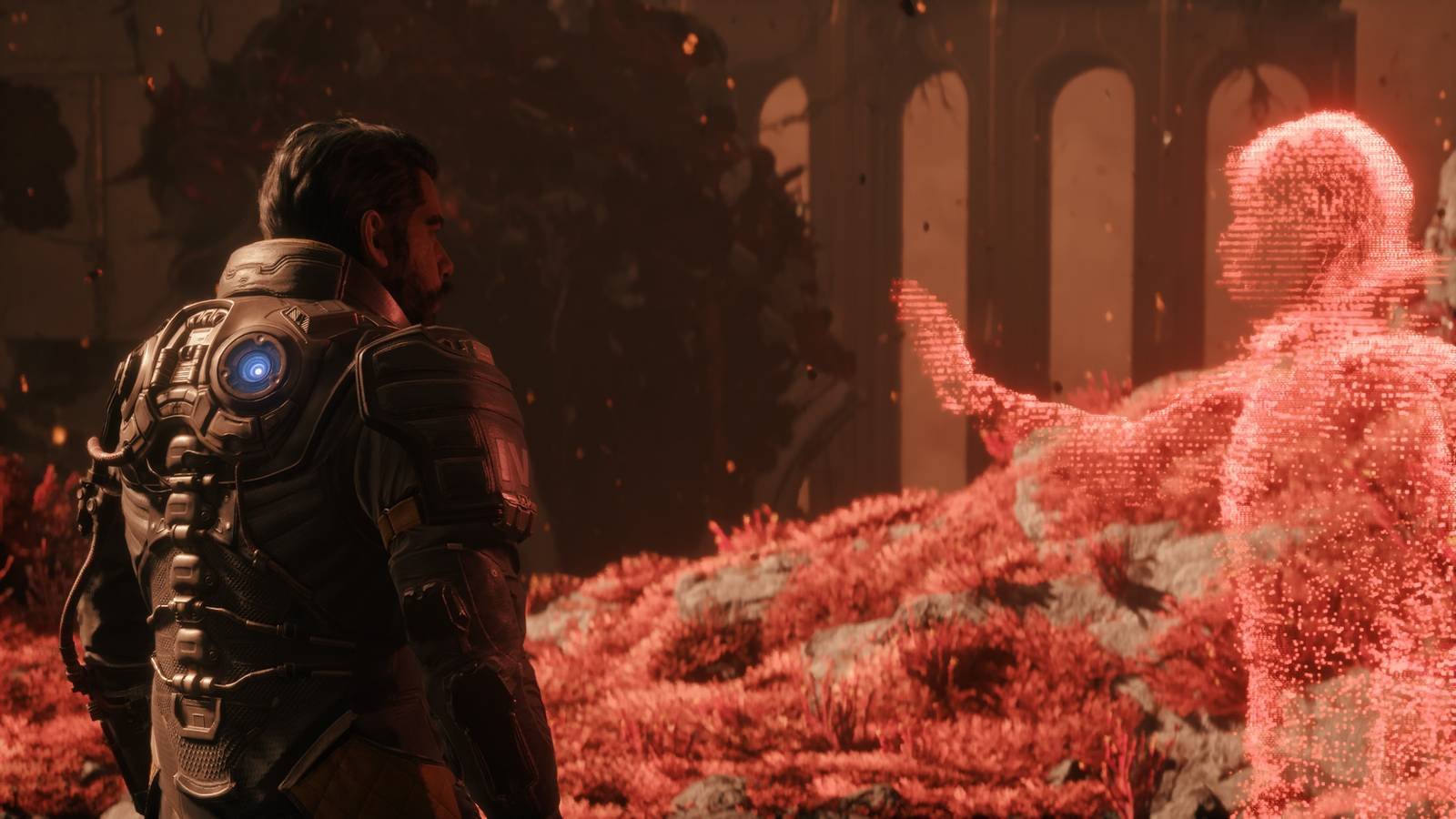
In the vast and ever-evolving landscape of video games, certain studios consistently push boundaries, carving out niches with distinct gameplay philosophies. Housemarque, a name synonymous with arcade-style intensity and visual splendor, has once again captivated the gaming world with its latest offering, "Saros." Following the groundbreaking success of 2021's "Returnal," "Saros" arrives with considerable anticipation, tasked with delivering another provocative sci-fi adventure while simultaneously forging its own identity. This in-depth analysis delves into how "Saros" manages to be both a worthy successor and a refreshingly accessible entry point into the demanding roguelite genre, appealing to a broader audience without diluting the core experience that Housemarque fans cherish.
From Atropos' Brutality to Saros' Welcoming Cosmos
To fully appreciate "Saros," it's essential to understand the shadow cast by its predecessor, "Returnal." Released to critical acclaim, "Returnal" was a PlayStation 5 exclusive that redefined the roguelite genre with its unique blend of bullet-hell action, psychological horror, and a hauntingly cryptic narrative set on the alien planet Atropos. It was renowned for its unforgiving difficulty, demanding precision, quick reflexes, and an iron will from players facing its brutal perils. Death was not merely a setback but a fundamental mechanic, sending protagonist Selene Vassos back to the crashed Helios, stripped of most progress, forcing players to master its intricate systems through sheer repetition and strategic adaptation. While incredibly rewarding, "Returnal's" high barrier to entry meant it wasn't for everyone. "Saros" emerges from this legacy, presenting a deliberate shift towards a more inclusive design philosophy, aiming to retain Housemarque's signature intensity while significantly lowering the activation energy for newcomers.
Embracing Accessibility Without Compromise
"Saros" masterfully navigates the challenge of making a roguelite more accessible without sacrificing its core identity. Where "Returnal" punished failure with harsh resets, "Saros" implements a more forgiving, yet still challenging, progression system. Players will find that each subsequent run feels incrementally easier due to persistent upgrades, enhanced knowledge of enemy patterns, and a more streamlined path to character empowerment. This doesn't mean the game is 'easy,' but rather that the learning curve is gentler and the sense of progression is more tangible. Newcomers to the roguelite genre, often intimidated by permadeath mechanics, will find "Saros" offers a more encouraging loop, allowing them to build confidence and skills run by run. This careful balancing act ensures that veteran players still encounter formidable challenges and strategic depth, while those new to the genre can experience the thrill of victory more frequently, fostering a sense of continuous achievement.
Unpacking Saros' Confidently Creative Vision
Beyond its refined gameplay mechanics, "Saros" truly shines through its confidently creative vision, weaving together a spellbinding sci-fi narrative with breathtaking aesthetics and immersive sound design. The game transports players to a distant, enigmatic planetary system, rich with ancient mysteries and formidable alien life forms. Housemarque's distinctive visual language, characterized by vibrant particle effects, explosive combat, and intricate alien architecture, is on full display. Every environment feels alien yet purposeful, designed to tell a story through its very construction. The lore, while initially presented in fragmented glimpses, slowly unfolds, inviting players to piece together the tragic history and cosmic significance of their journey. This narrative depth, combined with a meticulous attention to detail in world-building, elevates "Saros" beyond a mere action game into a truly immersive sci-fi experience.
Narrative and World-Building Excellence
The narrative of "Saros" is delivered with a subtle hand, allowing environmental storytelling and player discovery to take precedence. Unlike more linear narratives, the roguelite structure of "Saros" means that pieces of the story are encountered dynamically, often requiring multiple runs and exploration of different paths to fully grasp the overarching plot. This method of storytelling encourages replayability, as players are incentivized to delve deeper not just for gameplay progression, but also for narrative enlightenment. The game explores themes of cyclical existence, the pursuit of knowledge, and humanity's place in a vast, indifferent cosmos. These complex themes are underscored by exceptional sound design, which crafts an atmospheric soundscape ranging from the eerie silence of ancient ruins to the cacophony of intense bullet-hell encounters, further drawing players into its captivating universe.
Refined Gameplay: Action Roguelite at Its Core
At its heart, "Saros" is a masterclass in action roguelite design. The moment-to-moment combat is fluid, responsive, and exhilarating, embodying the fast-paced, skill-based gunplay that Housemarque is famous for. Players will navigate procedurally generated environments, encountering a diverse bestiary of alien adversaries, each with unique attack patterns and weaknesses. The weapon arsenal is varied and satisfying, offering a range of primary firearms, each with distinct alternate fire modes and upgrade paths. Beyond weaponry, "Saros" introduces a robust system of augments and artifacts that dramatically alter gameplay, allowing for extensive build customization and strategic decision-making between runs. This continuous evolution of player power, combined with evolving environmental layouts, ensures that no two runs ever feel truly identical, providing endless replayability and a fresh challenge every time.
The Campaign's Enduring Appeal
One of the standout features of "Saros" is its lengthier campaign, which feels more like a grand journey than a series of disconnected attempts. Unlike some roguelites where reaching the 'end' can feel elusive, "Saros" provides a clear sense of overarching progress. The campaign is structured to unfold across multiple biomes, each presenting unique challenges, bosses, and narrative segments. The accessibility enhancements mean that players are more likely to see more of this content in a reasonable timeframe, fostering engagement and a desire to see the story through. The combination of persistent upgrades, unlockable abilities, and a deeper understanding of game mechanics ensures that each new run truly does build upon the last, making the overall campaign an epic and rewarding undertaking for all players, regardless of their prior experience with the genre.
In conclusion, "Saros" is more than just a follow-up to a beloved game; it is a meticulously crafted evolution that broadens the appeal of the action roguelite genre. Housemarque has demonstrated an impressive ability to learn from its past, retaining the core tenets of its exhilarating gameplay while thoughtfully addressing barriers to entry. Its spellbinding sci-fi universe, combined with deeply satisfying combat and a rewarding progression system, makes "Saros" a standout title in 2024 and an essential experience for both roguelite veterans and those looking to dive into the genre for the first time. It confidently asserts its place not just as a successor, but as a uniquely compelling adventure in its own right.
To stay informed on the latest developments in gaming, read more in-depth reviews, and discover guides that will enhance your play experience across all platforms, be sure to explore the extensive content available right here on NAME OF SITE. Dive deeper into the worlds you love and uncover new favorites with our expert insights and comprehensive coverage.
Fonte: https://screenrant.com