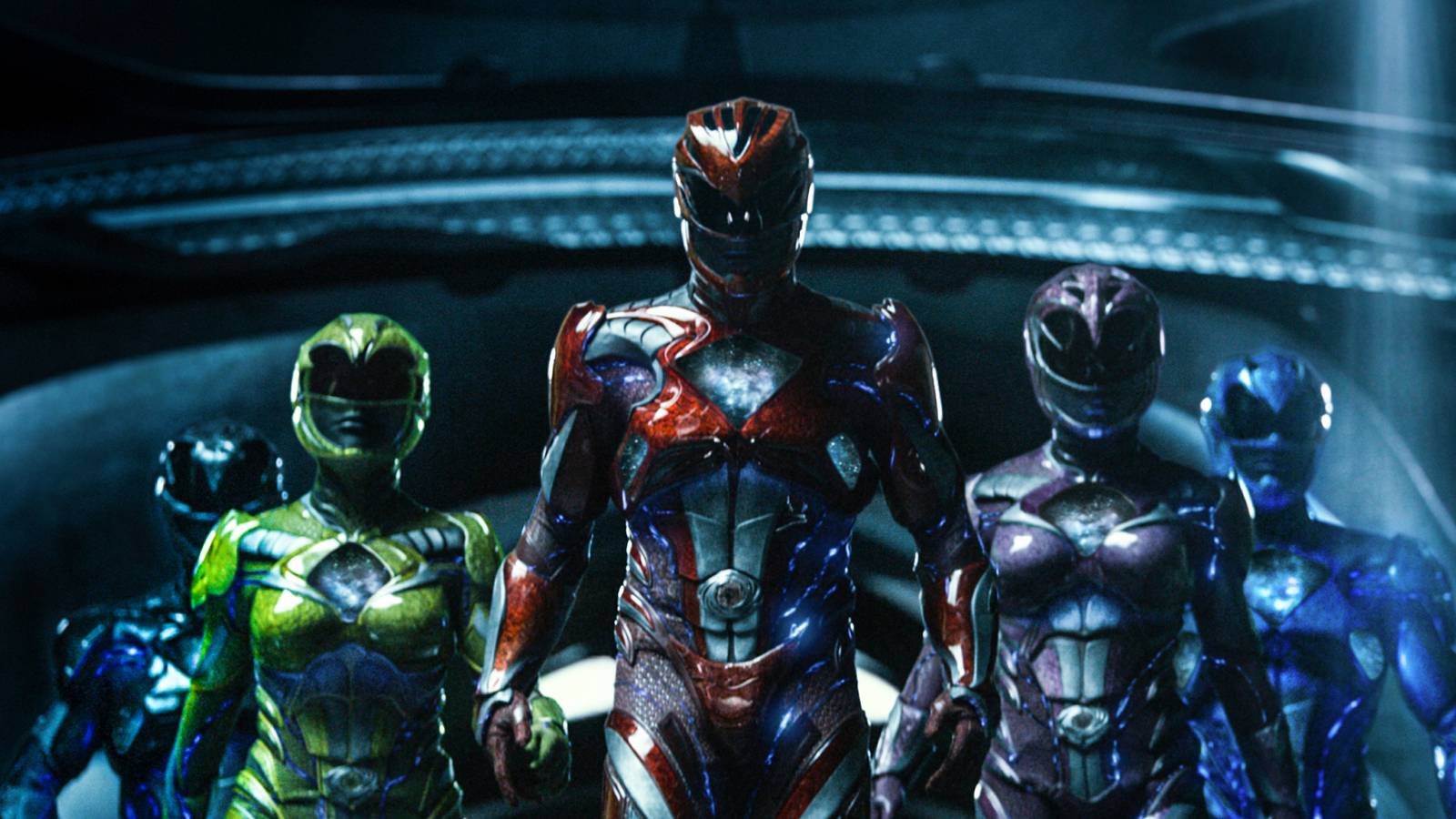
The 2017 `Power Rangers` film was envisioned as more than just a standalone reboot; it was designed to be the foundational cornerstone of an ambitious cinematic universe. Hopes were high that this modern take on the beloved franchise would captivate both long-time fans and a new generation of viewers, propelling the Mighty Morphin heroes onto the big screen for a multi-film saga. However, despite its bold aspirations and significant investment, the film's performance at the box office fell short of expectations, leading to the abrupt termination of these grand plans. Now, years later, a key cast member has shed light on the detailed four-movie arc that was tragically left unrealized, offering a tantalizing glimpse into a lost cinematic future for the `Power Rangers`.
The 2017 Reboot: A Bold Vision for a New Era
Lionsgate, the studio behind the 2017 `Power Rangers` movie, embarked on a mission to revitalize the franchise with a darker, more grounded, and contemporary origin story. Under the direction of Dean Israelite and with a screenplay by John Gatins, the film aimed to redefine the iconic teenagers with attitude for a modern audience, exploring themes of alienation, identity, and teamwork. The cast, featuring promising young talents like Dacre Montgomery as Jason Scott (Red Ranger), Naomi Scott as Kimberly Hart (Pink Ranger), RJ Cyler as Billy Cranston (Blue Ranger), Becky G as Trini Kwan (Yellow Ranger), and Ludi Lin as Zack Taylor (Black Ranger), was carefully chosen to bring fresh energy to these beloved characters. The visual effects were cutting-edge, the action sequences dynamic, and the narrative sought to delve deeper into the lore, introducing an updated Megazord and a menacing Rita Repulsa, played by Elizabeth Banks. The intention was clear: this wasn't just a movie; it was the genesis of a sprawling new saga designed to build on its initial success.
Box Office Realities and Critical Hurdles
Despite critical buzz and a dedicated fanbase, the `Power Rangers` reboot faced an uphill battle at the box office. Produced on a budget of approximately $100 million (excluding marketing costs, which often add tens of millions more), the film managed to pull in a worldwide gross of just under $142 million. For a blockbuster of this scale, studios typically aim for at least two to three times the production budget to break even and turn a profit, factoring in marketing, distribution, and exhibitor splits. This meant the 2017 `Power Rangers` was a significant financial disappointment, failing to generate the revenue necessary to greenlight future installments. Critically, reviews were mixed; while many praised the chemistry among the young cast and the film's updated aesthetic, some found issues with its pacing, character development, and inconsistent tone. The lukewarm reception from both critics and a broader audience, coupled with fierce competition at the time of its release, ultimately sealed the fate of any immediate sequel plans.
Dacre Montgomery Unveils the Scrapped Quadrilogy
Years after the film's release and its subsequent discontinuation, Dacre Montgomery, who portrayed the Red Ranger, Jason Scott, offered a candid look into the studio's extensive plans. During a Q&A session on social media, Montgomery confirmed that Lionsgate had initially outlined a detailed four-movie arc, envisioning a cohesive narrative that would span several installments. This revelation underscored the studio's long-term commitment to the franchise, suggesting they had a clear roadmap for character development, plot progression, and the introduction of new threats and allies. The initial film was merely the prologue to a much larger story, intended to build gradually and explore the vast mythology of the `Power Rangers` universe with increasing depth and complexity over time. Montgomery's insight provided fans with a tangible sense of what could have been, adding a layer of bittersweet understanding to the film's premature conclusion.
A Deeper Dive into the Unmade Sequels' Potential
The revelation of a four-movie plan opens up a fascinating speculative window into the potential narrative directions the `Power Rangers` universe could have taken. Given the ending of the 2017 film, which teased the arrival of the iconic Green Ranger, Tommy Oliver, the sequels likely would have delved into the complex dynamic introduced by this powerful new member, potentially exploring his initial antagonistic role before his eventual alliance with the team. Subsequent films might have introduced other legendary villains from the `Power Rangers` lore, such as Lord Zedd, Master Vile, or even Astronema, each presenting unique challenges that would push the Rangers to their limits. The overarching plot could have explored the Zeo Crystal, its cosmic power, and its connection to the Morphing Grid, expanding the scope beyond Angel Grove to intergalactic conflicts. Furthermore, the scrapped quadrilogy might have also delved into the individual Rangers' personal lives and their struggles to balance their civilian identities with their duties as heroes, offering a more mature and character-driven approach than seen in previous adaptations. This long-term vision would have allowed for nuanced storytelling, significant character arcs, and a gradual expansion of the Power Rangers' cinematic world, mirroring the serialized nature of the original television series but on a grander scale.
The Enduring Legacy and Cinematic Challenges of Power Rangers
The `Power Rangers` franchise, born from the Japanese Super Sentai series, has enjoyed an enduring global legacy since its debut in 1993. Its formula of color-coded heroes, giant robots, and moral lessons has resonated with generations. However, translating this unique blend of camp, action, and serialized storytelling into a consistently successful cinematic format has proven challenging. Previous film attempts, such as `Mighty Morphin Power Rangers: The Movie` (1995) and `Turbo: A Power Rangers Movie` (1997), achieved moderate success but struggled to capture the critical acclaim or widespread appeal necessary for sustained film franchises. The difficulty lies in balancing the inherent silliness and earnestness of the source material with modern cinematic sensibilities, while simultaneously satisfying nostalgic fans and attracting a new audience unfamiliar with its extensive lore. The 2017 film attempted to bridge this gap by grounding the characters in a more realistic, relatable high school setting, but the core challenge of adapting the distinctive `Power Rangers` charm for a wide theatrical release remains a significant hurdle for any studio aiming to revitalize the property on the big screen.
What Lies Ahead: The Franchise's Future Cinematic Path
Despite the commercial disappointment of the 2017 film and the subsequent shelving of its multi-movie plan, the `Power Rangers` brand remains a valuable intellectual property. Following Hasbro's acquisition of the franchise, the rights have shifted, and new cinematic and television projects are continually being explored. Hasbro's entertainment division, eOne, has partnered with Netflix to develop new `Power Rangers` content, with filmmakers like Jonathan Entwistle (known for `The End of the F***ing World`) having been involved in various capacities. The ongoing discussions and creative shifts highlight the persistent belief in the franchise's potential to succeed in the streaming and theatrical landscape. Whether this new iteration will be a direct reboot, a continuation, or an entirely fresh take remains to be seen. What is clear is that the journey to find the perfect cinematic formula for the `Power Rangers` continues, with each attempt building on lessons learned from past successes and, importantly, past disappointments. The ambition for a cohesive, expansive universe for these heroes persists, even if the 2017 film's specific vision for a four-movie arc ultimately went unfulfilled.
The `Power Rangers` 2017 reboot, though short-lived on the big screen, represents a compelling 'what if' in modern franchise filmmaking. Its ambitious four-movie plan, now revealed to the public, offers a fascinating look into a potential future that never materialized. This tale underscores the volatile nature of Hollywood's franchise dreams, where even the most well-intentioned and creatively driven projects can be derailed by the harsh realities of the box office. Yet, the enduring appeal of the `Power Rangers` saga continues to inspire new efforts to bring its unique blend of action, camaraderie, and vibrant heroism to audiences worldwide.
For more in-depth analyses of cinematic universes, franchise developments, and the ever-evolving landscape of entertainment, keep browsing `NAME OF SITE`. Dive deeper into the stories behind your favorite films and discover exclusive insights that fuel your passion for movies.
Fonte: https://screenrant.com