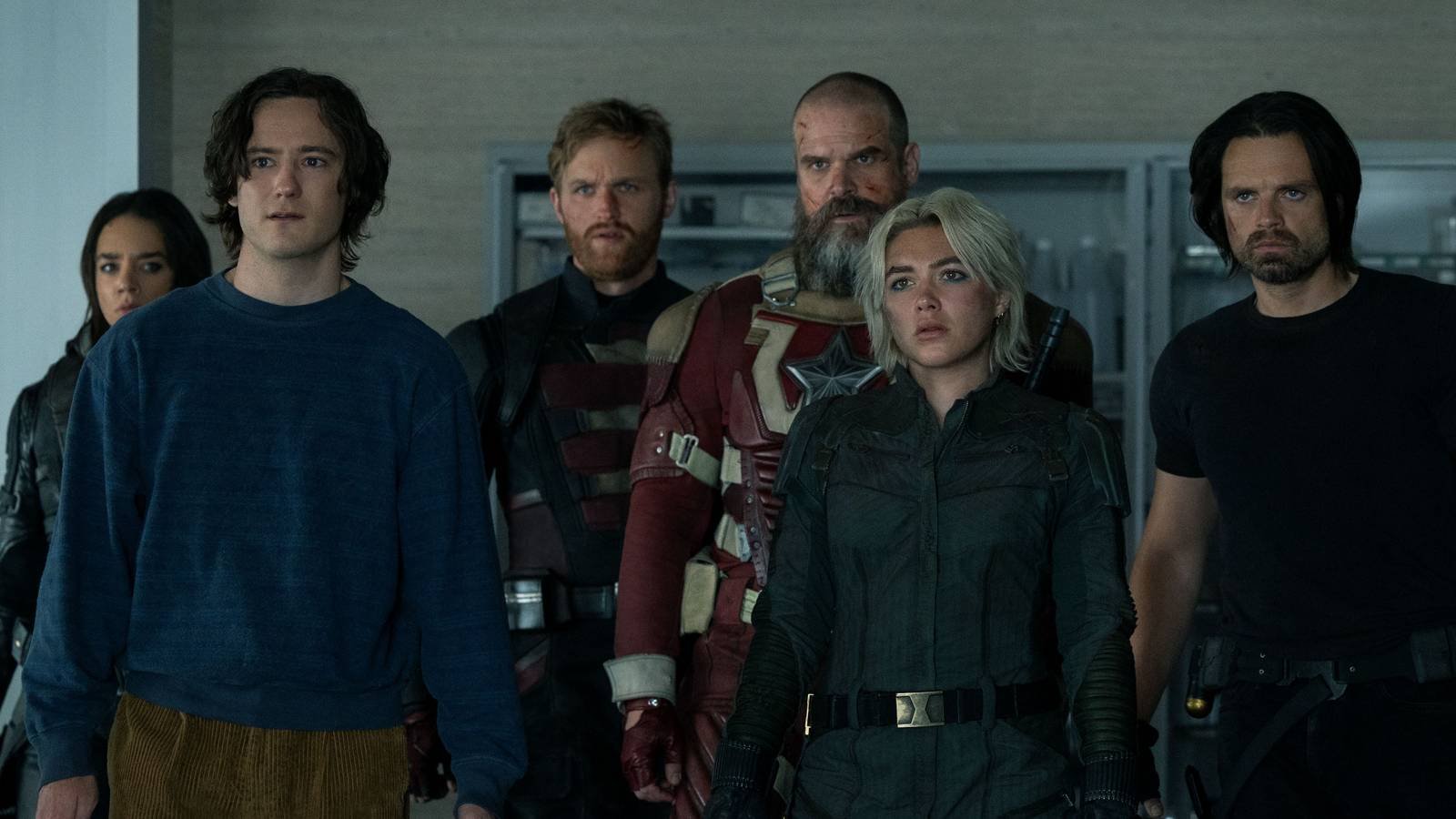
The Marvel Cinematic Universe (MCU) has consistently sought to innovate its storytelling, expanding beyond the traditional superhero narratives that defined its early phases. This ambition is particularly evident with the upcoming film, <i>Thunderbolts*</i>, set to introduce a formidable new ensemble of anti-heroes and reformed villains. Slated for a 2025 release, this film promises to explore the moral ambiguities of heroism in a post-Blip world. However, recent revelations suggest that the movie’s initial creative direction, specifically its intended ending, underwent a significant overhaul. This crucial pivot was reportedly necessitated by the release of a particular film from rival studio, DC, highlighting the intricate competitive landscape that influences cinematic universe development.
The Thunderbolts: A New Paradigm for the MCU
The very premise of <i>Thunderbolts*</i> marks a departure for the MCU. Unlike the idealistic Avengers, the Thunderbolts are a government-assembled team comprising individuals with questionable pasts and often morally compromised methods. Rooted in Marvel Comics lore, where the original team, led by Baron Zemo, initially posed as heroes to gain public trust before revealing their villainous intent, the cinematic adaptation is expected to explore themes of redemption, control, and the blurry lines between good and evil. The confirmed lineup, orchestrated by Contessa Valentina Allegra de Fontaine, includes familiar faces like Yelena Belova, Bucky Barnes (the Winter Soldier), U.S. Agent, Red Guardian, Taskmaster, and Ghost. This assembly suggests a narrative rich with internal conflict and external pressures, challenging the conventional notions of heroism that have long been central to the MCU.
In the wake of events like the Blip and the dissolution of the Avengers as a central, unified force, the MCU finds itself in a period of transition. The power vacuum left by fallen heroes and the emergence of new global threats create an opportune moment for a team like the Thunderbolts. Their existence raises questions about who wields power, who defines justice, and whether true redemption is possible for those who have committed heinous acts. The film is positioned as a critical piece in the ongoing Multiverse Saga, potentially setting up future conflicts or even establishing a new type of operational force within the MCU’s ever-expanding universe.
The Original Vision: A Hopeful Conclusion
Sources close to the production indicated that <i>Thunderbolts*</i> was initially conceived with a profoundly hopeful ending. For a team composed primarily of antagonists and anti-heroes, a 'hopeful' conclusion could have manifested in several compelling ways. It might have seen the team genuinely embrace their roles as protectors, earning a measure of trust from the public and perhaps even each other. This kind of resolution would imply significant character arcs culminating in genuine redemption, where their past misdeeds are acknowledged but ultimately transcended by their actions. Such an ending could have focused on the characters finding a new purpose beyond their former allegiances or government mandates, perhaps forming a lasting bond as a true, albeit unconventional, team.
A hopeful ending would also resonate with the MCU's broader thematic exploration of second chances and the potential for change. It would suggest that even the most morally compromised individuals can contribute positively to the world, offering a powerful message about rehabilitation and the human capacity for growth. This optimistic outlook could have provided a stark contrast to the dark and complex journey expected of anti-heroes, potentially making their eventual triumph or acceptance all the more impactful. It would have positioned the Thunderbolts not just as a contingent force, but as a group with a clear, positive trajectory within the MCU.
The DC Catalyst: Avoiding Narrative Redundancy
The catalyst for this significant narrative shift was reportedly a DC film. While the specific movie has not been officially confirmed, industry analysis strongly points to James Gunn's <i>The Suicide Squad</i> (2021). Released well before <i>Thunderbolts*</i> entered its advanced production stages, <i>The Suicide Squad</i> masterfully explored similar territory: a government-mandated team of super-villains and anti-heroes dispatched on a perilous mission, grappling with their own moral compasses and the often-cynical motivations of their handlers. Its critical acclaim derived from its ability to blend dark humor, visceral action, and surprisingly poignant moments of character development, culminating in a victory that was hard-won and morally ambiguous rather than unequivocally heroic.
The perceived issue was not one of direct competition in terms of box office, but rather a clash of narrative impact and originality. Had <i>Thunderbolts*</i> proceeded with its initially planned hopeful ending, it risked appearing derivative or less groundbreaking compared to <i>The Suicide Squad's</i> already established take on anti-hero redemption and complicated team dynamics. In a crowded superhero landscape, studios constantly strive for distinctiveness. Marvel's creative teams likely recognized the potential for audience fatigue or the perception that they were treading too similar a path, thereby diminishing the unique contribution of the Thunderbolts to the MCU. This strategic adjustment underscores the competitive pressures within the entertainment industry, where the narratives presented by one studio can directly influence the creative decisions of another.
The Influence of Shared Universe Storytelling
The phenomenon of one studio's project influencing another's highlights the interconnected nature of modern cinematic universes. Both Marvel and DC operate within a similar genre, appealing to largely overlapping fan bases. As such, producers and writers are acutely aware of what their competitors are releasing and how those releases are received. The desire to offer fresh perspectives, avoid direct comparisons, and maintain a unique identity becomes paramount. This creative dialogue, though unspoken, shapes the evolving narratives of these mega-franchises, pushing creators to constantly refine and differentiate their storytelling approaches.
The Evolved Ending: A Glimpse into Thunderbolts' Future
With the original hopeful ending deemed untenable, the revised conclusion for <i>Thunderbolts*</i> is likely to lean into a more ambiguous, complex, or even cynical resolution. Instead of clear redemption, viewers might anticipate an ending that emphasizes the morally gray nature of the team's operations, the sacrifices inherent in their work, or the continued struggle for true atonement. This could involve an ending that leaves their status as 'heroes' in question, sets up future conflicts, or highlights the corrupting influence of power and governmental control. Such an approach would align more closely with the inherent complexities of the Thunderbolts' comic book origins and perhaps offer a more gritty, realistic tone for this particular segment of the MCU.
This shift could also allow Marvel to further differentiate its anti-hero team from DC's. By embracing a less clear-cut resolution, <i>Thunderbolts*</i> can forge its own identity, exploring the inherent dilemmas of its characters without the need for a neat, redemptive arc. This decision reflects Marvel's ongoing commitment to evolving its storytelling, taking risks, and exploring darker, more nuanced themes as its universe matures. The ultimate impact of this changed ending will only be revealed upon the film's release, but it already signifies a fascinating chapter in the creative process of the MCU.
Broader Implications for the MCU's Narrative Arc
The decision to alter <i>Thunderbolts*</i>' ending carries broader implications for the MCU's overarching narrative in Phase 5 and beyond. It signals a willingness to explore complex ethical landscapes and challenges the black-and-white morality often associated with traditional superhero narratives. As the MCU moves deeper into the Multiverse Saga, the introduction of morally ambiguous characters and the exploration of their redemption — or lack thereof — becomes increasingly vital. This film, with its adjusted ending, could serve as a crucial touchstone for how the MCU intends to portray heroism, justice, and accountability in a world that is no longer strictly divided between heroes and villains. It suggests a more mature and introspective approach to storytelling, reflecting the complexities of the contemporary world.
This strategic narrative shift could also pave the way for more intricate character development across the entire MCU. Characters like Yelena Belova and Bucky Barnes, both with their own troubled histories, are perfect vehicles for exploring themes of past trauma and the arduous path to redemption. An ambiguous ending for the Thunderbolts as a team would allow their individual journeys to continue unfolding in future projects, providing a rich tapestry of personal struggles within the larger cosmic narrative. It reinforces the idea that the MCU is not just about grand spectacles, but also about the profound personal growth and ethical quandaries faced by its diverse cast of characters.
The behind-the-scenes adjustments to <i>Thunderbolts*</i> offer a fascinating glimpse into the dynamic, often reactive nature of major studio productions. The necessity of differentiating one's narrative in a crowded market is paramount, and Marvel's decision to pivot from a 'hopeful' ending demonstrates a keen awareness of the industry landscape. As we await the film's release, the anticipation for how this anti-hero ensemble will ultimately conclude its mission, and what implications it will have for the broader MCU, only grows. To stay informed on all the latest developments from the Marvel Cinematic Universe, DC films, and the ever-evolving world of cinematic blockbusters, continue exploring the in-depth analyses and breaking news right here on NAME OF SITE.
Fonte: https://screenrant.com