
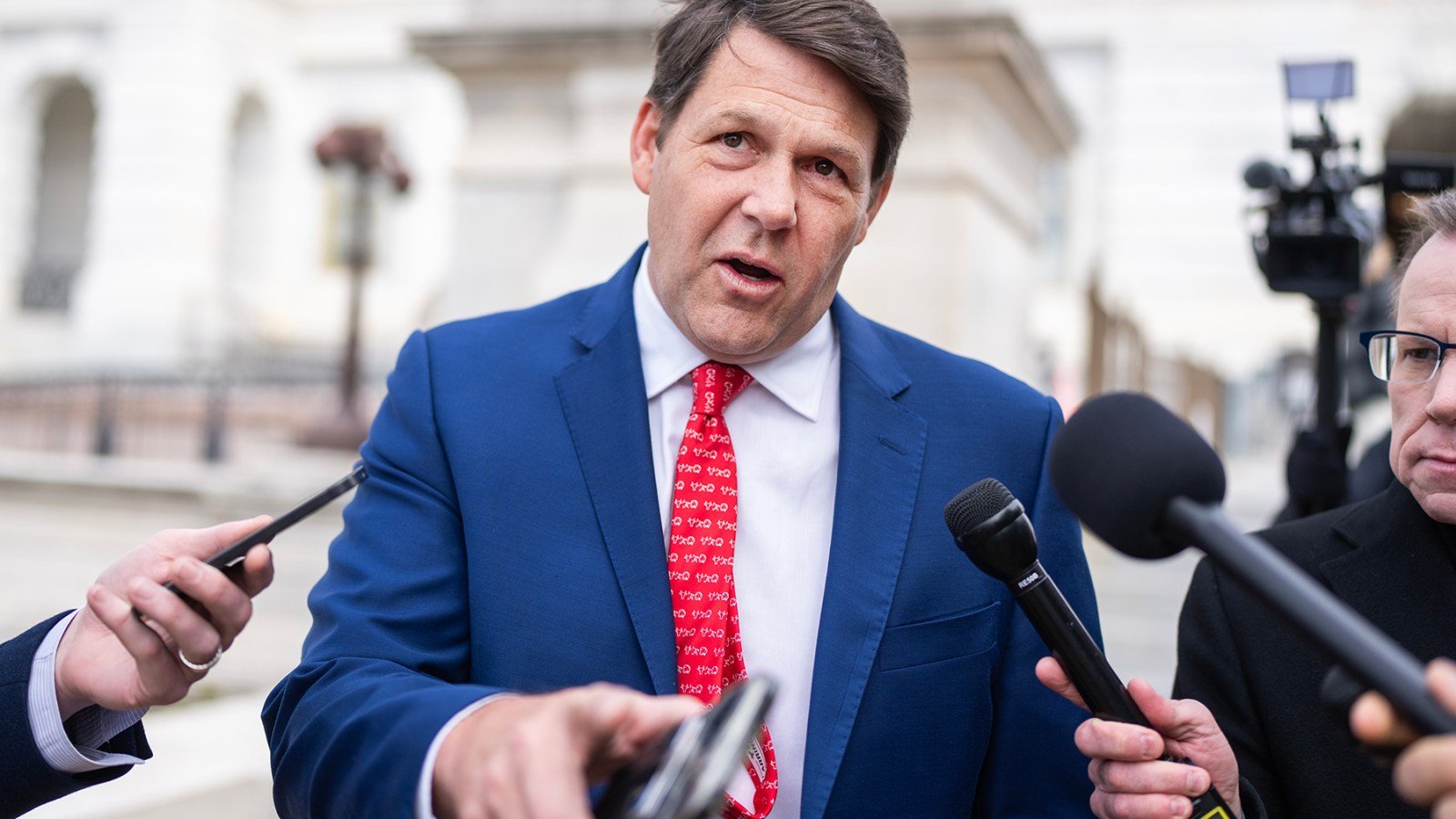
In a development sparking significant debate, discussions within the Republican Party are reportedly exploring proposals to reallocate federal healthcare funding to finance potential foreign policy initiatives, specifically concerning escalating tensions with Iran. This potential shift underscores a complex intersection between domestic spending priorities and international geopolitical strategies, presenting profound implications for millions of American citizens. This contemplation immediately raises questions about its feasibility, ethical ramifications, and potential impact on public welfare, setting the stage for a contentious national discussion.
Domestic Priorities vs. Foreign Policy Imperatives
The idea of diverting funds from established domestic programs to address international challenges is not unprecedented in U.S. history, but targeting healthcare funding is particularly sensitive. Lawmakers consistently grapple with allocating finite federal resources. Faced with perceived threats abroad, the debate shifts to funding operations without unduly burdening taxpayers or dismantling essential services. This discussion highlights a profound philosophical divide between those prioritizing national security—even at the expense of social programs—and those advocating for robust social safety nets as foundational to national strength and stability.
Understanding Potential Healthcare Funding Reductions
Reducing federal healthcare allocations impacts major initiatives providing medical care and insurance access. Programs such as the Affordable Care Act (ACA), Medicaid, and even aspects of Medicare could become targets. Cuts to these programs would translate into tangible impacts, potentially increasing the uninsured rate, diminishing quality of care for vulnerable groups, and creating financial hardships for families. These consequences underscore the severity of potential reallocations and their wide-ranging societal impact.
Specific Programs at Risk: ACA, Medicaid, and Medicare
The Affordable Care Act, which expanded health insurance coverage to millions through subsidies and marketplaces, could see decreased federal contributions, making insurance significantly less affordable. Medicaid, a joint federal and state program for low-income individuals, would face reduced federal matching funds, forcing states to cut services or restrict eligibility, directly impacting society's most vulnerable. Even Medicare, providing health insurance for Americans aged 65 and older, could see adjustments affecting benefits or premium costs for seniors. Such widespread cuts could undo years of progress in healthcare access and consumer protections, making essential care inaccessible for many.
The Geopolitical Landscape: Tensions with Iran
The backdrop for these funding discussions is the long-standing and often volatile relationship between the United States and Iran, exacerbated by proxy conflicts, economic sanctions, and heightened rhetoric, particularly since the U.S. withdrawal from the Joint Comprehensive Plan of Action (JCPOA). While 'Iran War' might imply full-scale military conflict, it also encompasses a broader spectrum of assertive foreign policy actions, including increased military presence, enhanced intelligence operations, cyber warfare, or robust support for regional allies. Each measure, from increased military presence to cyber warfare, carries substantial financial costs, fueling the search for expedited funding sources.
Historical Precedents for Funding Overseas Engagements
Historically, major U.S. military operations and foreign policy interventions have been funded through specific congressional appropriations, supplemental spending bills, and increased national debt. During wartime, funds have sometimes been redirected from other federal agencies, though rarely from core social services on such a broad scale. The post-9/11 conflicts saw significant defense spending increases, leading to debates about economic impact and opportunity costs. These precedents provide context, yet the direct link to healthcare cuts for foreign policy remains a sharp departure from typical funding debates, highlighting a potential shift in budgetary priorities.
Political Realities and Public Repercussions
Any proposal to significantly cut federal healthcare funding for foreign policy objectives would face immense political backlash. Democrats and a broad coalition of healthcare advocacy groups would vehemently oppose such measures, arguing they jeopardize American families' well-being. The debate would become highly charged, especially leading up to an election, as candidates would be forced to take clear stances. Public opinion consistently shows strong support for maintaining or expanding affordable healthcare, making such a proposal a formidable political challenge for any party to champion without significant electoral consequences.
Ethical and Economic Dimensions
Beyond political maneuvering, the ethical and economic implications are profound. Ethically, it questions a government's fundamental responsibility regarding citizens' basic needs. Is it justifiable to potentially strip millions of health coverage to fund military or diplomatic ventures? Economically, the long-term costs of reduced healthcare access—including decreased productivity, increased emergency room visits, and a less healthy workforce—could far outweigh any perceived short-term strategic benefits. The burden would disproportionately fall on lower-income families and those with chronic conditions, exacerbating existing inequalities within American society.
Legislative Hurdles and Viable Alternatives
For such a proposal to become law, it would need to navigate the arduous legislative process. Given the current political climate and slim congressional majorities, bipartisan consensus would be an extraordinary challenge. Even through budget reconciliation, the political will and internal party cohesion required would be immense. Alternative approaches include increasing defense budgets, seeking contributions from international allies, or pursuing diplomatic solutions that might avert costly interventions. Diplomacy and de-escalation often yield more sustainable and less financially burdensome outcomes than preemptive military actions funded by domestic cuts.
The ongoing discussions within the Republican Party about potentially linking cuts to American healthcare services with the funding of foreign policy concerning Iran highlight a critical juncture in national priority setting. The balance between ensuring the well-being of citizens at home and addressing geopolitical complexities abroad is a perpetual challenge. As these debates unfold, it is imperative for citizens to remain informed about the potential impacts on their lives and the broader trajectory of the nation. For continued in-depth analysis, comprehensive reporting, and real-time updates on this and other vital issues, we invite you to explore the extensive resources available on NAME OF SITE.
Fonte: https://www.rollingstone.com