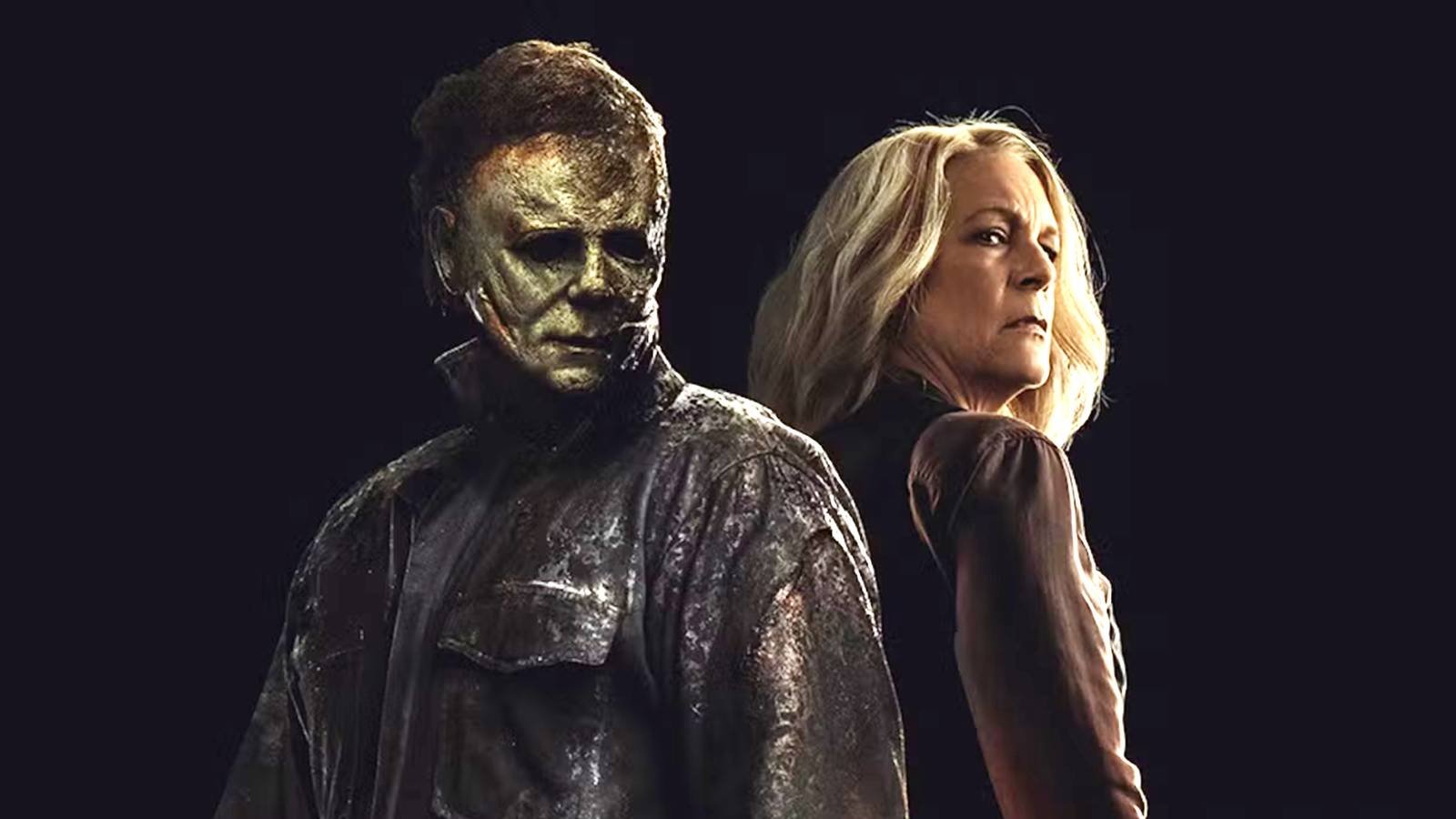
The highly anticipated conclusion to director David Gordon Green's *Halloween* trilogy, *Halloween Ends*, arrived in 2022 amidst a fervent fan base eager for a definitive showdown. Marketed as the ultimate confrontation between Laurie Strode and Michael Myers, the film, however, largely deviated from these expectations, presenting a narrative that sidelined its iconic slasher in favor of introducing a new antagonist, Corey Cunningham. This radical shift in storytelling and tone sparked immediate and widespread controversy, leading to overwhelmingly negative fan reception and labeling the film as a significant missed opportunity to deliver a truly impactful and satisfying finale to one of horror's most enduring franchises.
The Unconventional Narrative Turn: Introducing Corey Cunningham
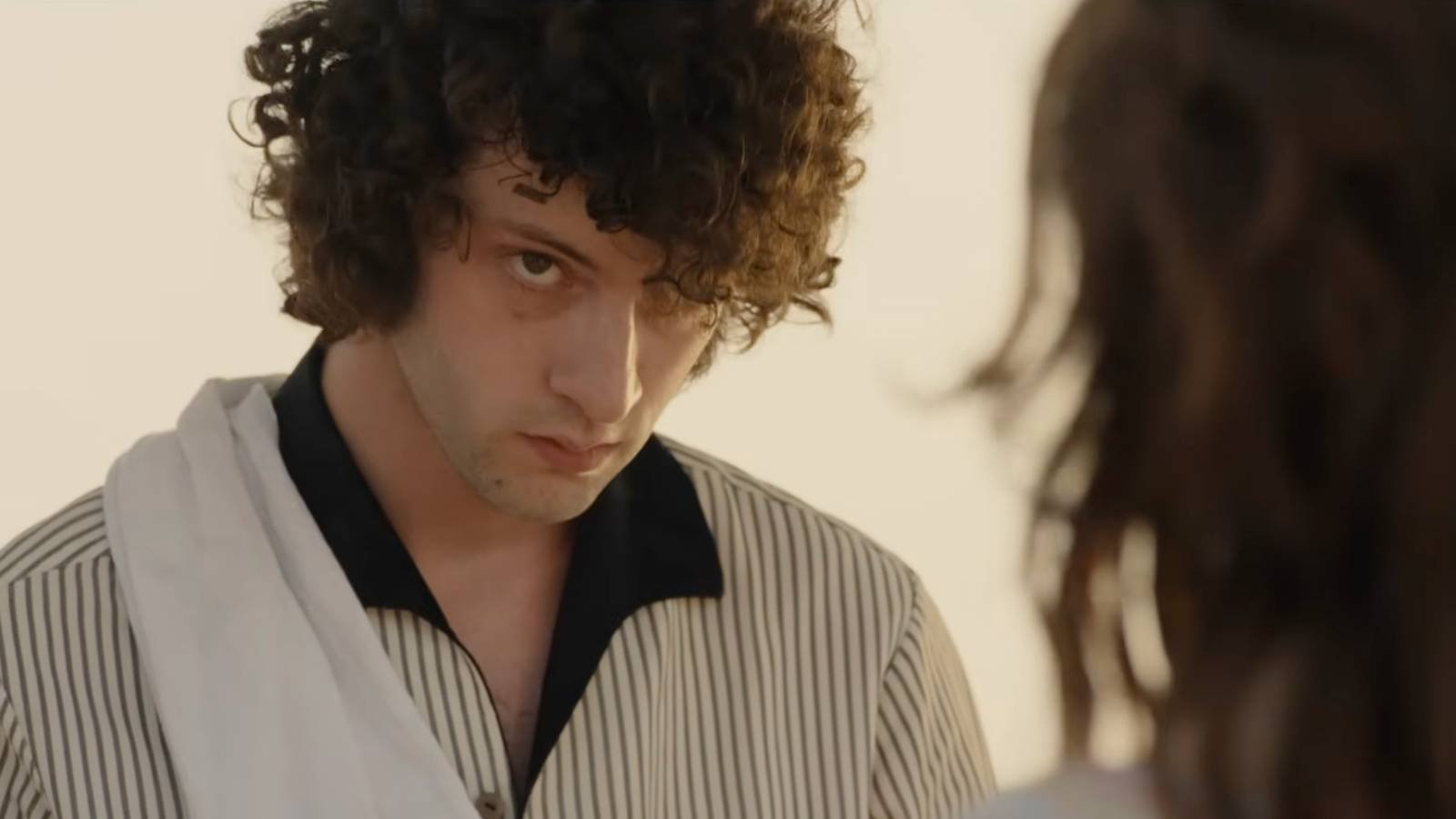
*Halloween Ends* took an audacious risk by dedicating a substantial portion of its runtime to the character of Corey Cunningham, a young man ostracized by the town of Haddonfield after a tragic accident. His descent into darkness, culminating in his adoption of Michael Myers's murderous ways, became the film's central focus, effectively pushing the legendary Shape to the periphery. This narrative choice was a stark departure from the established trajectory of the previous two films in Green's trilogy, *Halloween* (2018) and *Halloween Kills* (2021), both of which centered firmly on the relentless pursuit and survival against Michael Myers. The audience, primed for a climactic battle, was instead presented with an origin story for a new, comparatively unknown antagonist.
Shifting the Focus from Michael Myers
For many, the essence of the *Halloween* franchise lies squarely with Michael Myers as the embodiment of pure evil. His menacing presence, silent brutality, and seemingly supernatural resilience are the bedrock of the series' horror. In *Halloween Ends*, Michael's appearances are infrequent and his physical prowess significantly diminished, portrayed as weakened and aging after the events of *Halloween Kills*. This portrayal fundamentally altered the dynamic of fear that the franchise traditionally cultivates. By reducing Michael to a mentor-like figure for Corey, the film inadvertently diluted the very terror that fans had come to expect and cherish, replacing the primal fear of the Shape with a more human, albeit tragic, story of descent into madness.
Fan Backlash and Critical Divide
Upon its release, *Halloween Ends* was met with a torrent of criticism from long-time fans and genre enthusiasts. Social media platforms, fan forums, and review sites were flooded with expressions of disappointment and frustration. Many viewers felt betrayed by the narrative's direction, arguing that it failed to honor the legacy of Michael Myers and Laurie Strode. The core expectation of a final, epic confrontation was largely unfulfilled, replaced by a nuanced character study that, while perhaps interesting in isolation, felt out of place as the conclusion to such an iconic slasher saga. This visceral negative reaction highlights the deep emotional investment audiences have in established franchises and their characters.
The Broader Discourse on Franchise Endings
The controversy surrounding *Halloween Ends* is not an isolated incident in the realm of long-running horror franchises. Many series struggle to deliver satisfying conclusions that appease both long-time fans and critical expectations. Films like *Freddy vs. Jason* or even some entries in the *Friday the 13th* series have faced similar challenges in balancing new creative directions with established lore. What set *Halloween Ends* apart, however, was the promise of a definitive end to Laurie Strode’s generational struggle, a promise many felt was compromised by introducing a new character arc that overshadowed the intended protagonists. The film aimed for a thematic exploration of evil's infectious nature, but in doing so, it alienated a significant portion of its audience who prioritized narrative closure for its main figures.
David Gordon Green's Ambitious Vision and Its Execution
Director David Gordon Green, alongside his co-writers, openly expressed a desire to create something different with *Halloween Ends*. Their aim was to explore themes of inherited trauma, the pervasive nature of evil within a community, and the idea that fear itself can manifest in new forms. Corey Cunningham was intended to serve as a conduit for these ideas, representing how the evil unleashed by Michael Myers could infect and corrupt others, even without his direct involvement. While this thematic ambition is commendable, its execution within the context of a highly anticipated finale proved to be a critical misstep for many. The film’s philosophical leanings often took precedence over the visceral horror and character resolutions that fans craved.
A Missed Opportunity for Laurie Strode's Arc
Jamie Lee Curtis's portrayal of Laurie Strode across decades has made her one of cinema's most resilient final girls. Her journey from terrified babysitter to hardened survivor was meant to culminate in *Halloween Ends*. While the film does offer a final confrontation between Laurie and Michael, the impact is lessened by the preceding narrative focused on Corey. Many felt that Laurie’s character, particularly after her assertive role in *Halloween Kills*, deserved a more direct and uncompromised resolution to her lifelong trauma, one that didn't share the spotlight so extensively. The film's choice to explore Haddonfield's collective healing and how it projects its fear onto new figures, while conceptually interesting, ultimately overshadowed the personal, visceral conclusion that the audience had been promised for Laurie.
The Lingering Impact on the Franchise's Legacy
*Halloween Ends* now stands as a polarizing entry in a franchise celebrated for its longevity and consistent ability to reinvent itself. While some viewers appreciated its bold, experimental approach, the prevailing sentiment suggests that it failed to stick the landing for what was billed as the definitive end to the Michael Myers and Laurie Strode saga. The film leaves an ambiguous legacy, raising questions about how future iterations of the *Halloween* universe will reconcile its unconventional narrative choices. It serves as a stark reminder of the delicate balance between creative ambition and audience expectations, especially when concluding a story that has resonated with generations of horror enthusiasts.
Despite its controversial reception, *Halloween Ends* undoubtedly sparks discussion about the nature of evil, trauma, and the evolution of horror narratives. Whether you found it a daring artistic statement or a disappointing misstep, its place in the extensive *Halloween* canon is undeniable. To delve deeper into the intricate world of horror cinema, explore more analyses of your favorite films, and stay updated on the latest genre news, continue browsing NAME OF SITE for comprehensive coverage and insightful articles.
Fonte: https://screenrant.com