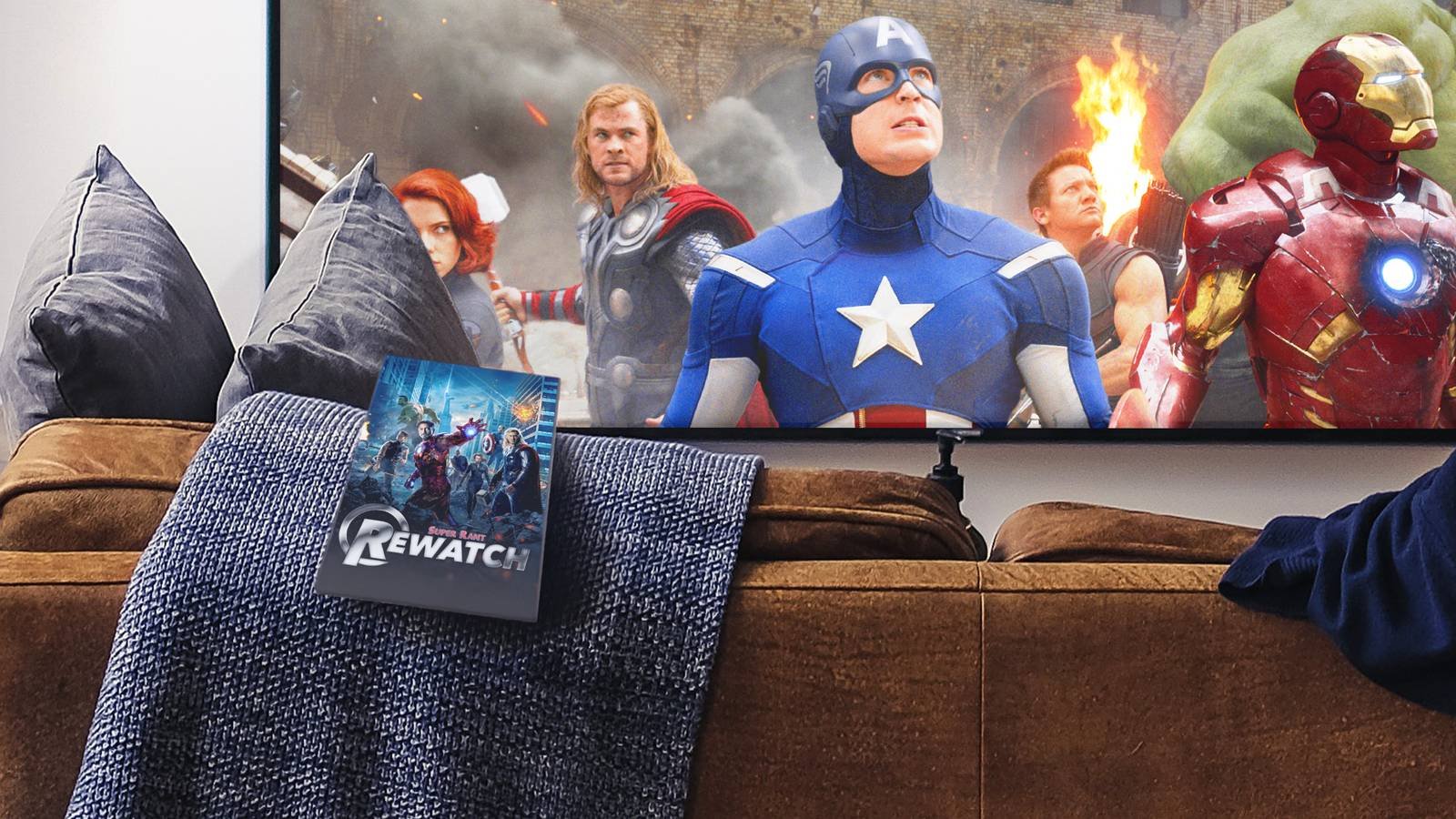
Watching <i>The Avengers</i> in the present day, over a decade after its initial release in 2012, offers a profoundly distinct and enriched viewing experience compared to its premiere. What was then considered an ambitious, unprecedented cinematic crossover has since cemented its status as a foundational pillar within an sprawling, interconnected narrative universe. The beauty of the Marvel Cinematic Universe (MCU) lies not just in its individual stories, but in how each subsequent film and series retrospectively redefines and amplifies the significance of its predecessors. This rewatch transcends simple nostalgia, transforming into a deep dive into the roots of a cultural phenomenon, revealing layers of meaning and foresight that were impossible to perceive upon its original debut.
The Groundbreaking Impact of 2012: A Cinematic Revolution
Upon its release, <i>The Avengers</i> was nothing short of revolutionary. It was the culmination of Phase One, bringing together previously established heroes like Iron Man, Captain America, Thor, and Hulk, alongside newcomers Black Widow and Hawkeye, into a single, cohesive narrative. This had never been successfully attempted on such a scale in cinematic history. Director Joss Whedon masterfully balanced multiple superstar egos and intricate storylines, delivering a film that was both critically acclaimed and a box office juggernaut. It proved that a shared cinematic universe, built over several years and individual character films, was not only viable but incredibly lucrative and engaging for audiences worldwide.
A Feat of Character Interplay and Narrative Cohesion
One of the film's most celebrated achievements in 2012 was its ability to integrate six distinct protagonists, each with their own established mythologies and fanbases, into a unified team. The initial friction among these powerful personalities—from Tony Stark's sarcastic wit clashing with Steve Rogers' traditional morality to Bruce Banner's constant struggle with his alter ego—was a cornerstone of its appeal. The narrative artfully built towards their eventual synergy, illustrating the necessity of collaboration against an overwhelming threat. This delicate balance of individual character arcs within a larger ensemble narrative set a precedent for future team-up films across the industry.
The Weight of an Expanded Universe: New Meanings Emerge
Today, rewatching <i>The Avengers</i> is fundamentally different because it is viewed through the lens of everything that came after it. The subsequent decades of MCU storytelling—encompassing dozens of films, television series, and animated features—have retroactively imbued the 2012 film with deeper context, heightened emotional resonance, and a richer understanding of its subtle hints and grand prophecies. What once felt like a contained epic now feels like the crucial opening chapter to an even grander saga.
Foreshadowing and Retrospective Nuances
Moments that were initially perceived as simple plot devices or Easter eggs now carry immense weight. The fleeting glimpse of Thanos in the mid-credits scene, for instance, transforms from a curious reveal into the chilling introduction of the ultimate antagonist for the entire Infinity Saga. Loki's manipulation by an unseen force, which initially seemed purely self-motivated, is now understood as part of a larger cosmic scheme orchestrated by the Mad Titan. Similarly, the Tesseract's role as an Infinity Stone, though revealed later, retrospectively elevates every interaction with the glowing cube, highlighting its profound cosmic significance. Even the internal conflicts of S.H.I.E.L.D., hinting at hidden agendas, are now recognized as early breadcrumbs leading to the revelation of HYDRA's deep infiltration in <i>Captain America: The Winter Soldier</i>.
Character Arcs and Emotional Trajectories
The characterizations of the heroes also gain significant depth upon rewatch. Tony Stark's nascent struggles with PTSD, triggered by his near-death experience in space and the Battle of New York, are profoundly amplified by knowing the full extent of his anxiety and subsequent sacrifice in <i>Avengers: Endgame</i>. Captain America's unwavering moral compass and leadership qualities, while evident, are now appreciated as the bedrock upon which the entire Avengers initiative eventually relied. Bruce Banner's internal conflict with the Hulk, a prominent theme in the film, takes on greater poignancy when considering his eventual integration with Smart Hulk. Each character's initial portrayal in <i>The Avengers</i> becomes a more meaningful starting point, a nascent stage in a much longer, more complex journey that audiences have now witnessed to its conclusion.
Technical and Narrative Evolution of the MCU
Beyond its narrative implications, rewatching <i>The Avengers</i> also provides a fascinating benchmark for the technical and thematic evolution of the Marvel Cinematic Universe. The advancements in visual effects, production design, and even storytelling complexity over more than a decade are stark, yet the 2012 film remarkably holds its own, often feeling like a well-preserved artifact of a bygone era that still resonates powerfully.
Visual Effects and Production Design: A Time Capsule
The visual effects in <i>The Avengers</i> were state-of-the-art for 2012, particularly the seamless integration of CGI characters like the Hulk and the Chitauri invasion. However, fourteen years of rapid technological advancement have naturally shifted audience expectations. While the film’s effects remain largely impressive, certain sequences or designs might now appear slightly less refined compared to the photorealistic detail achieved in later MCU productions. This observation is less a critique and more an acknowledgement of the industry's exponential growth, offering a unique opportunity to appreciate the foundational craftsmanship that laid the groundwork for future blockbusters. The tactile, grounded feel of the helicarrier and the vibrant, if somewhat less complex, depictions of alien technology offer a charming contrast to the increasingly cosmic and fantastical visual tapestries of later films.
Narrative Complexity and Thematic Scale
The narrative of <i>The Avengers</i> is largely self-contained, focusing on a clear, immediate threat to Earth. While epic, its scope feels distinctly terrestrial when compared to the multiversal stakes and interdimensional conflicts that became commonplace in later MCU phases. This focused narrative allows for concentrated character development and a more straightforward plot progression. The shift from a single world-ending crisis to the existential threats posed by beings like Thanos, Dormammu, or Kang the Conqueror underscores how the MCU progressively escalated its narrative ambition, making the 2012 film a pivotal moment where the universe's true potential was only just beginning to unfold. The relatively simpler emotional and thematic palette of <i>The Avengers</i> serves as a powerful reminder of how complex and interconnected the saga became, making the original entry feel both complete in itself and an essential prologue.
The Fandom and Cultural Phenomenon: A Blueprint for the Future
The enduring appeal of <i>The Avengers</i> is intrinsically linked to its role as the cultural touchstone that proved the viability of a shared cinematic universe. Its success not only launched countless imitators but also solidified the MCU's place as a dominant force in popular culture. Rewatching it now is also an exercise in appreciating the ingenuity that captivated millions and set the stage for an unprecedented storytelling experiment.
Nostalgia Meets Critical Reappraisal
For many, <i>The Avengers</i> evokes profound nostalgia, reminding them of the excitement and anticipation of seeing beloved characters unite for the first time. However, a modern rewatch also allows for a critical reappraisal. Viewers can now identify elements that were groundbreaking for their time but might seem conventional today, or appreciate subtle narrative choices that proved crucial for later developments. This dual perspective of nostalgic affection and informed analysis enriches the experience, allowing audiences to connect with the film on multiple emotional and intellectual levels. It’s a chance to relive the genesis of a phenomenon while simultaneously recognizing its profound influence on everything that followed.
In conclusion, <i>The Avengers</i> of 2012 stands as a monumental achievement, both in its initial execution and in its enduring legacy. Revisiting it over a decade later is not merely a rewatch; it is an archeological expedition into the foundations of modern blockbuster cinema, revealing how every frame, every line, and every character interaction gained amplified meaning through the vast narrative tapestry woven by the Marvel Cinematic Universe. It’s a testament to visionary storytelling that a film can continue to evolve in impact and relevance long after its release, offering new insights with each subsequent viewing. We invite you to delve deeper into the intricate world of cinematic analysis and pop culture commentary. For more in-depth articles, exclusive content, and continuous updates on your favorite films and series, keep browsing NAME OF SITE, where every story has a deeper meaning waiting to be explored.
Fonte: https://screenrant.com