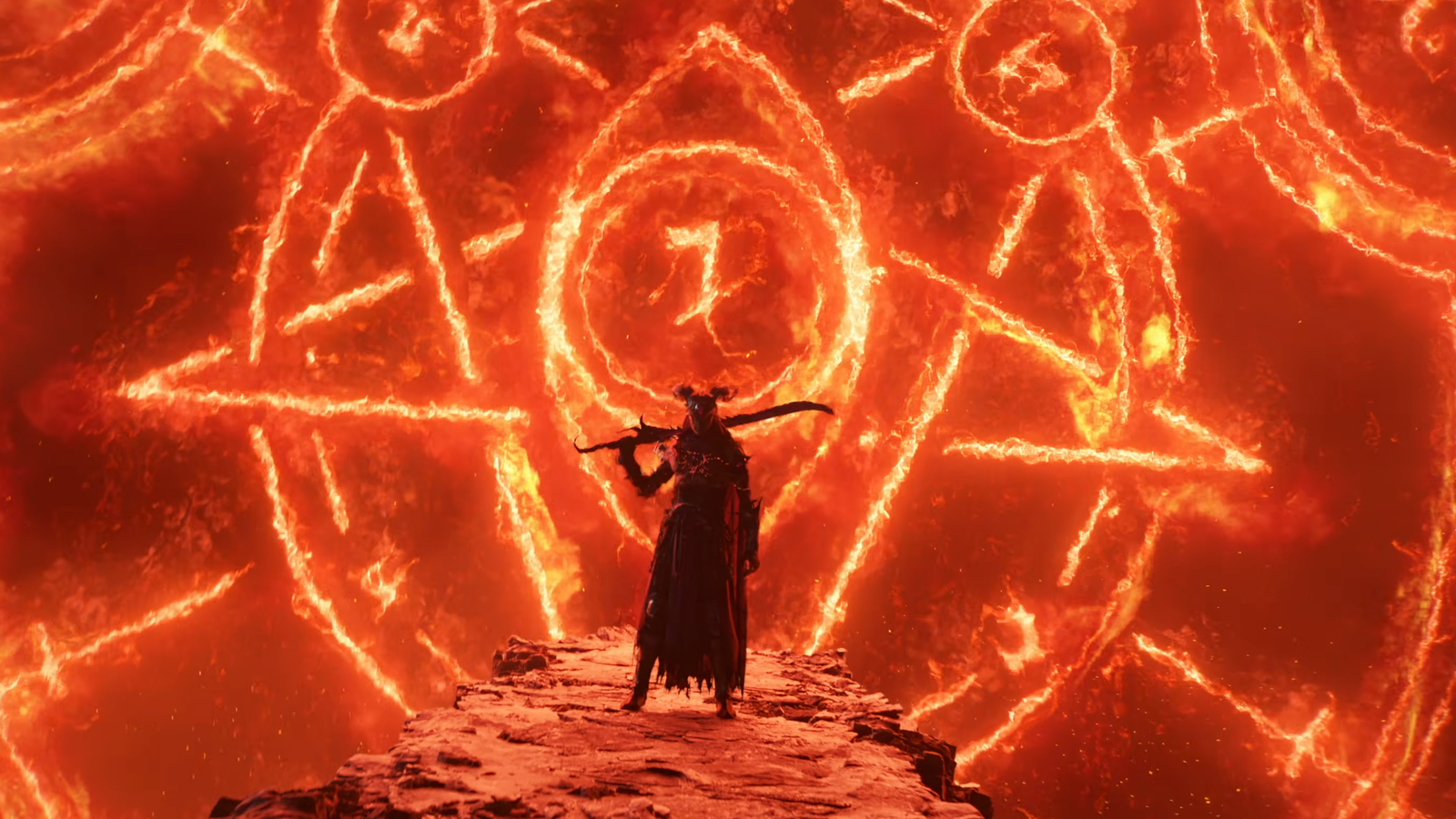
The gaming community is no stranger to innovative fan projects, but a recent development for the seminal action role-playing game (ARPG) Diablo 2 is poised to redefine player expectations. Originally launched in 2000, Diablo 2 quickly earned its place in gaming history, captivating a global audience with its grim gothic aesthetic, deep lore, and endlessly addictive loot-driven gameplay. While Blizzard Entertainment, the original developer, provided an official high-definition remaster with Diablo 2: Resurrected in 2021, an entirely fan-made endeavor is now taking a radically different approach: a complete first-person remake. This ambitious project, which has been enthusiastically described as "bizarrely brilliant," promises to offer a completely fresh perspective on a game many thought they knew intimately, fundamentally transforming the experience of exploring the demon-infested lands of Sanctuary.
Translating a classic isometric ARPG into a first-person viewpoint is far more than a simple graphical update; it represents a profound reimagining of player interaction, combat dynamics, and environmental exploration. This radical shift in perspective immerses players directly into the shoes of their chosen hero, bringing them face-to-face with the legions of hellish creatures in a way that amplifies both the visceral thrill and the inherent horror of Diablo 2. This article will delve into the enduring legacy of Diablo 2, the context of its official remaster, and the intriguing potential—and formidable challenges—presented by this audacious fan-driven adaptation, exploring why such a seemingly unconventional idea has so profoundly captured the imagination of the gaming world.
The Enduring Legacy of Diablo 2
Released in June 2000, Diablo 2, along with its acclaimed expansion Lord of Destruction, was a groundbreaking title that established new benchmarks for the ARPG genre. It significantly expanded upon its predecessor by introducing a darker, more sprawling narrative across five distinct acts and a richer selection of character classes, including the iconic Necromancer and Paladin. Each class featured deeply customizable skill trees, complemented by an unparalleled itemization system that encouraged countless hours of play in pursuit of rare and powerful loot. Its iconic dark fantasy aesthetic, characterized by gruesome monster designs, atmospheric dungeons, and a perpetually grim world, resonated deeply with players seeking a mature and challenging digital experience.
Diablo 2's influence permeated the industry, shaping the design philosophy of countless subsequent ARPGs and even other genres. Its pioneering use of procedural generation for maps and loot, its robust online multiplayer experience via Battle.net, and its relentless pursuit of player progression through increasingly powerful gear established a template that many modern titles still emulate. For over two decades, Diablo 2 has maintained a dedicated global fanbase, often regarded as the pinnacle of the series and a testament to timeless game design. This unwavering appeal is precisely why any new interpretation or revival garners such intense scrutiny and excitement from its devoted community.
From Resurrected to Radical Remake
In recognition of Diablo 2's historical significance and unwavering fanbase, Blizzard Entertainment launched Diablo 2: Resurrected in September 2021. This official remaster sought to modernize the classic experience primarily through a visual overhaul, meticulously rebuilding the game’s 3D graphics, re-recording cinematics, updating audio, and implementing various quality-of-life improvements, all while faithfully retaining the original gameplay mechanics and cherished isometric perspective. The ability to seamlessly switch between the new high-definition visuals and the original 2000 graphics was a celebrated feature, designed to honor the game's roots and evoke a powerful sense of nostalgia for veterans.
While Resurrected was largely praised for its faithfulness and visual fidelity, its deliberate conservatism—avoiding any radical alterations to the core gameplay or perspective—left a unique space open for more experimental interpretations. The official remaster was a respectful homage and a visual upgrade, not a re-imagining of how the game could be played. It preserved the classic, providing a refreshed package for new and old players alike, but it did not fundamentally alter the player's interaction with Sanctuary. This careful approach inadvertently set the stage for the audacious fan-made first-person remake to explore uncharted territory, offering a contrast between official preservation and community-driven innovation.
A First-Person Vision for Sanctuary
Reimagining Combat and Immersion
The core of the fan remake lies in its ambitious decision to transform Diablo 2 into a first-person experience. This choice fundamentally alters player interaction with the game world, pushing them directly into the heart of the action rather than observing from a distant, strategic vantage point. The visceral impact of combat is immediately heightened, making every sword swing, spell cast, and blow taken feel intensely personal. Iconic boss encounters, which were already formidable from an isometric perspective, become terrifyingly claustrophobic when a monstrous Duriel or Diablo looms directly before the player. This new perspective also amplifies Diablo 2's renowned dark atmosphere, transforming familiar dungeons into menacing labyrinths where threats are only fully perceived as they emerge from the shadows. Such a dramatic shift necessitates innovative solutions for traditional ARPG mechanics like inventory management, skill deployment, and loot collection, pushing the boundaries of interface design within a first-person context.
The "Bizarrely Brilliant" Appeal
The initial reveal of this first-person Diablo 2 remake has ignited significant discussion within the gaming community, often eliciting a blend of skepticism and sheer astonishment. The phrase "bizarrely brilliant" perfectly captures this dual reaction. On one hand, it challenges a foundational tenet of Diablo's identity, an almost sacrilegious act to some purists who cherish the original's isometric view. On the other hand, it presents an undeniably exciting and fresh take that promises to reignite interest and deliver an unparalleled level of immersion. Its brilliance stems from its sheer audacity and its potential to unlock new dimensions of terror and excitement within a familiar universe, proving that even a game considered perfect can still be reinterpreted in surprisingly compelling ways that resonate deeply with players seeking novel experiences.
The Dynamic World of Fan-Driven Innovation
The Diablo 2 first-person project is a compelling illustration of a wider trend in the gaming industry: the profound impact of fan-driven content. From elaborate mods that enhance gameplay to complete overhauls that reimagine entire titles, the passion and ingenuity of dedicated communities consistently push the boundaries of what is possible within existing game frameworks. These projects not only contribute to the longevity and relevance of older games but also serve as vital incubators for new ideas and emerging talent, occasionally even influencing official game development. They are a powerful testament to the deep emotional connection players forge with their favorite virtual worlds and their willingness to invest considerable time and skill to expand and evolve them beyond their original creators' intentions.
This first-person fan remake of Diablo 2 stands as a fascinating testament to the timeless appeal of classic game design and the boundless creativity inherent within its community. It represents more than just an alternative way to play; it's a bold exploration of how a fundamental shift in perspective can profoundly transform a well-worn experience, deepening immersion and breathing unexpected new life into a beloved world. Regardless of its ultimate trajectory, the sheer audacity and innovative spirit of this project ensure it will be remembered as a unique chapter in Diablo 2's already storied history, further solidifying its legacy as a game that continues to inspire innovation and passionate reinterpretation.
Eager to stay ahead on the latest gaming innovations, in-depth analyses, and community-driven projects that redefine classic experiences? Explore more exclusive content and comprehensive articles by continuing to browse NAME OF SITE, where we bring you the cutting edge of digital entertainment news.
Fonte: https://screenrant.com