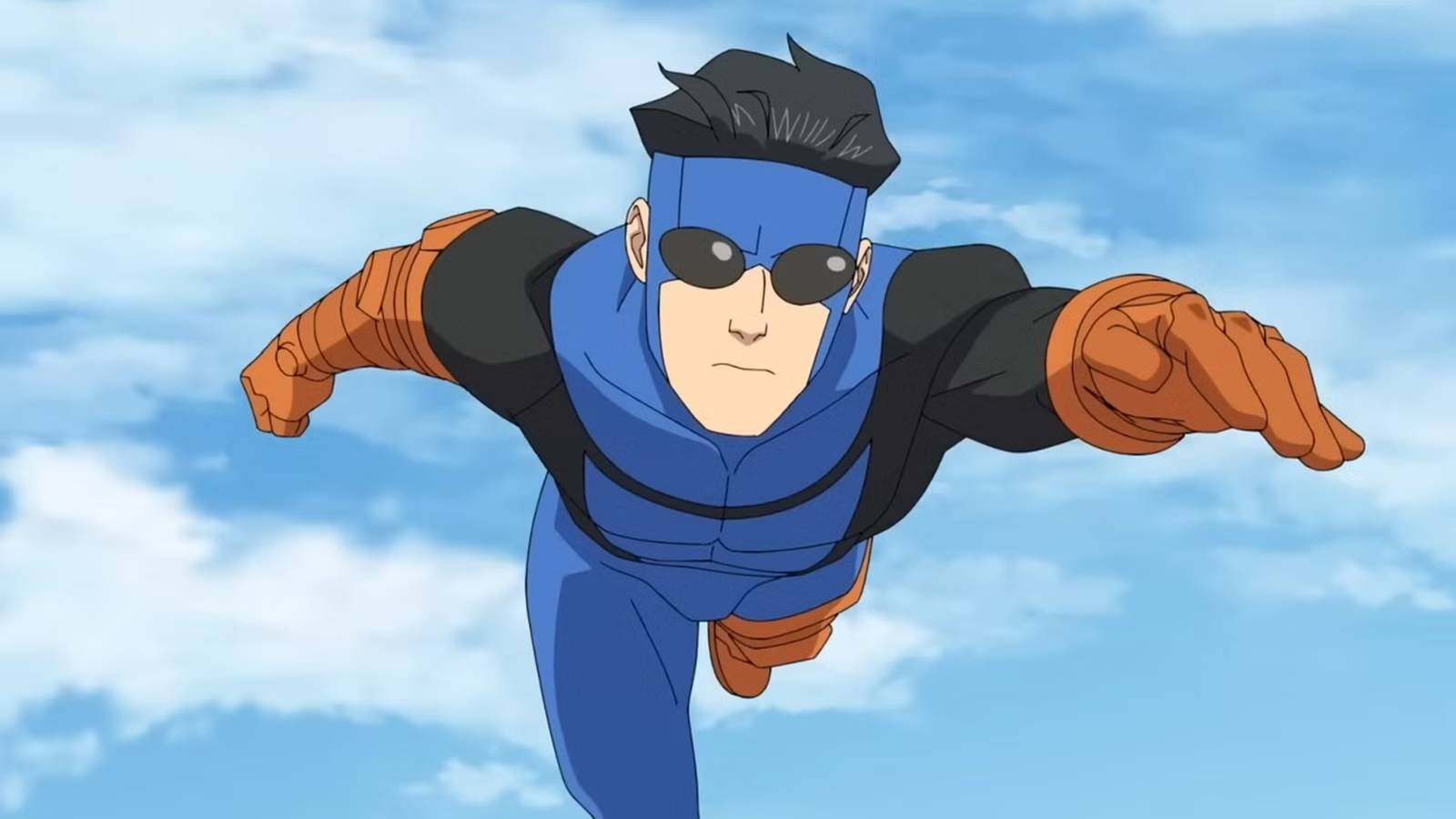
In the dynamic landscape of superhero media, few productions capture the zeitgeist quite like Amazon Prime Video's animated series, *Invincible*. Renowned for its brutal action, complex character development, and a refreshing dose of meta-commentary, the show has frequently turned a critical eye towards established genre conventions. One recent instance saw *Invincible* directly addressing a pervasive and often debated costume trope prevalent in the Marvel Cinematic Universe (MCU), playfully labeling it "super-weird" while simultaneously conceding its undeniable visual appeal. This candid observation from a series known for its self-awareness offers a fascinating lens through which to examine the intricate art of superhero costume design, balancing realism, practicality, and the overwhelming demand for cinematic spectacle.
The Essence of Invincible's Meta-Commentary
*Invincible* distinguishes itself through a unique blend of homage and satire. Unlike many contemporary superhero narratives that take themselves with unyielding seriousness, *Invincible* frequently breaks the fourth wall, employing self-referential humor to comment on the very tropes and tribulations inherent to the genre. This intelligent approach, which resonates deeply with comic book aficionados and newcomers alike, was notably showcased when the series cleverly addressed its own production delays for Season 2. Mark Grayson, the titular hero, found himself in a conversation with a comic book artist, humorously pointing out common animation studio tricks, a subtle nod that delighted fans aware of the real-world wait. This penchant for critical self-reflection extends beyond its own production, allowing *Invincible* to cast a knowing glance at its contemporaries, particularly the behemoth that is the MCU.
The show's ability to lampoon genre clichés without undermining its own dramatic stakes is a testament to its sophisticated writing. This critical but affectionate stance is precisely what makes its critique of the MCU's costume design so compelling. Rather than outright condemnation, *Invincible* offers a nuanced take: these costumes might defy practical logic in a "super-weird" way, yet they undeniably achieve their primary goal of looking "cool." This observation opens a dialogue about the inherent tension between verisimilitude and visual flair in superhero storytelling, especially when translating two-dimensional comic art into three-dimensional, live-action (or hyper-realistic animated) spectacles.
Deconstructing the MCU's Costume Aesthetic
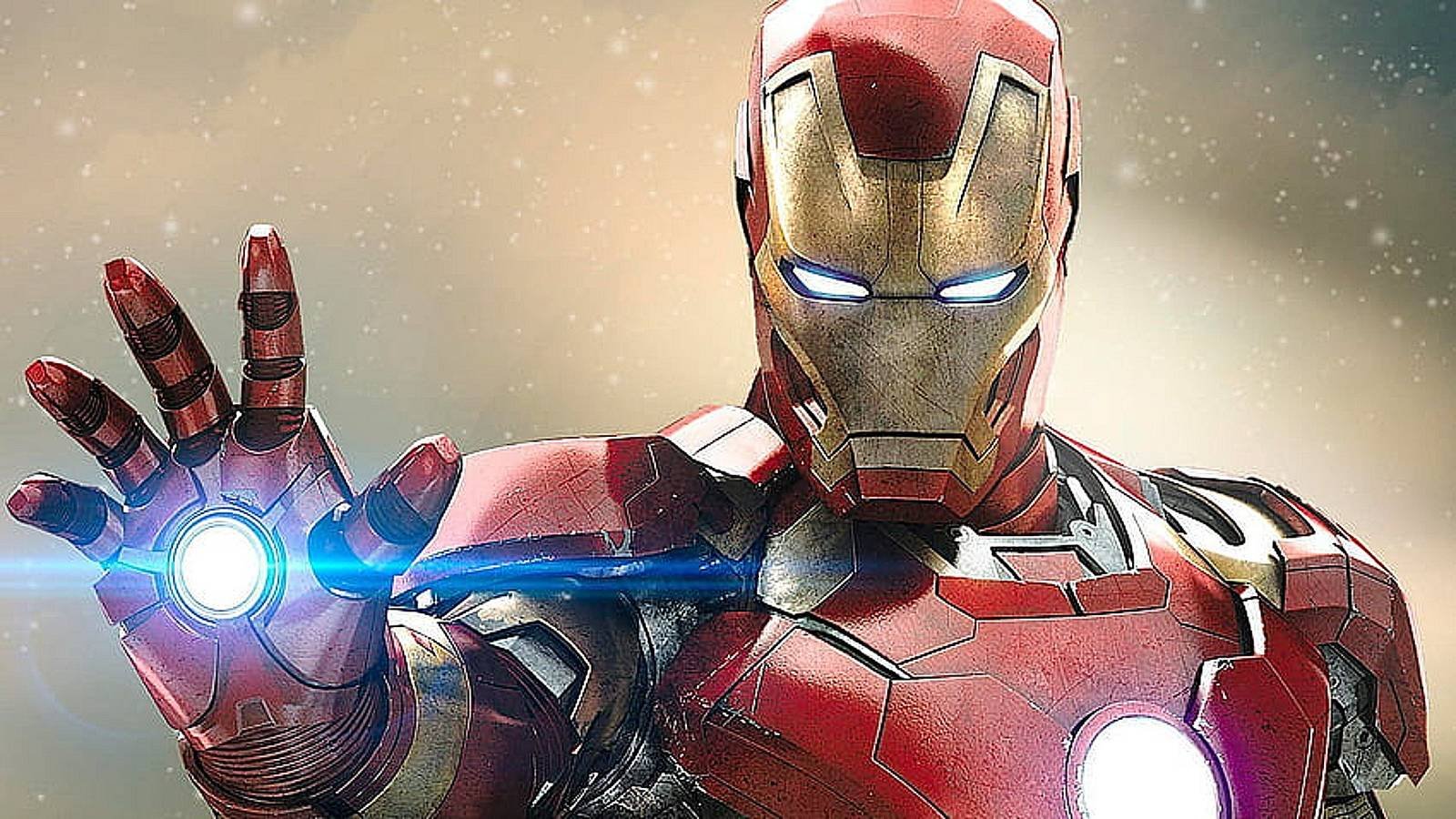
The Marvel Cinematic Universe has largely defined the modern superhero film aesthetic, influencing countless productions since its inception. A cornerstone of its visual identity lies in its approach to superhero costumes. Early MCU films often leaned into a more grounded, militaristic realism, exemplified by Iron Man's industrial suits or Captain America's functional, albeit stylized, uniform. As the universe expanded, so did the diversity and complexity of its costume designs, introducing characters with alien technologies, magical apparel, and technologically advanced suits that blurred the lines between fabric and armor.
The "super-weird" trope *Invincible* likely references pertains to the often intricate, technologically impossible, or visually overwhelming designs that populate the MCU. Consider the suits of characters like Spider-Man, capable of instantaneous materialization and intricate self-repair, or Black Panther's vibranium weave, which can store kinetic energy and change appearance. While these designs are visually striking and crucial for conveying character identity and powers, they often necessitate a significant suspension of disbelief regarding their practical application, material science, or rapid transformation. The vibrant colors, integrated tech, and often form-fitting yet armored appearances contribute to an aesthetic that prioritizes high-impact visuals over real-world feasibility.
The Paradox of Practicality and Spectacle
The challenge for any creative team bringing superheroes to the screen is to honor the original comic book designs while making them believable within the chosen medium. Comic book costumes, often conceived with artistic liberty and minimal regard for physics, present a unique hurdle. The MCU has consistently strived to bridge this gap, often employing advanced visual effects to render costumes that appear both tangible and fantastical. This approach, while visually stunning, sometimes leads to designs that look fantastic but raise eyebrows when considered from a logical standpoint. For instance, the sheer speed and seamlessness with which some heroes don their elaborate suits, or the ability of certain materials to withstand extreme forces without visible wear, are feats of cinematic magic rather than engineering.
The Undeniable "Cool" Factor
Despite any logical incongruities, the "cool" factor of MCU costumes is undeniable and paramount to their success. These designs are not merely garments; they are extensions of the characters' identities, power sets, and thematic arcs. A character's silhouette, color palette, and intricate details immediately convey who they are and what they represent, even before a word is spoken. The visual language of these costumes is meticulously crafted to evoke awe, inspiration, and a sense of fantastical heroism. The MCU understands that while a costume might not be practical in a literal sense, its symbolic and aesthetic power is invaluable.
This visual impact is critical for audience engagement. Iconic designs like Iron Man's Mark LXXXV armor or Captain Marvel's striking suit become synonymous with the characters themselves, instantly recognizable cultural touchstones. The intricate details, the interplay of light on metallic surfaces, and the sheer scale of some designs contribute to a grander-than-life spectacle that defines the superhero genre. *Invincible*'s acknowledgment of this "coolness" is a testament to the fact that, ultimately, narrative and visual impact often trump strict adherence to realism in a world where individuals can fly or wield cosmic power.
Evolution of Superhero Aesthetics: From Page to Screen
The journey of superhero costumes from the vibrant pages of comic books to the cinematic screen has been a fascinating evolution. Early film adaptations often struggled with translating outlandish designs, sometimes opting for more subdued or even comedic interpretations. However, advancements in visual effects, costume design, and a broader societal acceptance of comic book lore have empowered filmmakers to embrace more faithful and elaborate renderings. This evolution has seen a gradual shift from simplistic interpretations to highly detailed, often hyper-realistic, yet still fantastical, designs that captivate global audiences.
The conversation ignited by *Invincible*'s commentary highlights an ongoing tension in creative industries: how much realism is necessary before a fantastical element breaks immersion? For superhero costumes, the answer is often subjective, leaning heavily on the artistic vision and the established rules of the universe being presented. *Invincible*, with its slightly grittier, yet still visually dynamic, aesthetic, often favors designs that, while impressive, feel more rooted in a plausible (within its own context) form of protective gear. This contrast further emphasizes the deliberate choices made by the MCU to lean into a more overtly stylized and often fantastical realm of costume engineering.
Finding the Balance: Artistry and Audience Expectation
Ultimately, the design philosophy behind superhero costumes is a delicate balancing act. Creators must navigate the expectations of a discerning fanbase, the demands of the story, and the practicalities of production, all while aiming for a visually cohesive and impactful result. While *Invincible*'s playful jab at the "super-weird" aspects of MCU costumes offers a lighthearted critique, it simultaneously validates the success of those designs in achieving their core objective: to look undeniably cool and to elevate the cinematic experience. The conversation underscores that in the realm of superheroes, sometimes the most illogical designs are precisely what make a character truly iconic and memorable.
This ongoing dialogue between different superhero narratives enriches the genre as a whole, pushing creators to innovate while remaining true to the spirit of these larger-than-life characters. Whether grounded in realism or soaring on the wings of pure fantasy, the costumes worn by our heroes continue to be a vital component of their allure, sparking debate and admiration in equal measure. *Invincible* reminds us that acknowledging the eccentricities within our beloved fictions only deepens our appreciation for their imaginative prowess.
Explore more in-depth analyses of your favorite superhero sagas, from critical costume breakdowns to behind-the-scenes insights, right here on AestheticBeat. Dive into our extensive archives and join the conversation that shapes the future of pop culture by continuing to browse our diverse content today!
Fonte: https://screenrant.com