For much of his storied history, Peter Parker, the sensational Spider-Man, has primarily operated as a solitary hero. While his universe is richly populated with allies and friends, from fellow spider-people to the Avengers, his crimefighting endeavors often saw him swinging through the urban canyons of New York City alone. This long-standing tradition made a pivotal event on March 23, 2011, all the more monumental: the Web-Slinger was formally welcomed into one of Marvel Comics’ most iconic superhero families, the Fantastic Four. This significant recruitment was not just a narrative twist but the culmination of a half-century of subtle build-up and a bold reimagining of Marvel’s First Family, known then as the Future Foundation.
A Tragic Catalyst: Johnny Storm's Ultimate Sacrifice
The path to Spider-Man's membership began with a profound tragedy that shook the Fantastic Four to its core. During the climactic finale of the critically acclaimed “Three” storyline within the pages of *Fantastic Four* comics, Johnny Storm, the hot-headed Human Torch, made the ultimate sacrifice. Faced with the devastating Annihilation Wave armada encroaching from the Negative Zone, Johnny bravely chose to remain behind, single-handedly battling the overwhelming forces to buy his family precious moments to escape to safety. His heroic, self-sacrificing act ensured the survival of Reed, Sue, and Ben, but left an irreparable void within the team and the hearts of millions of readers.
Johnny's death sent ripples of grief and disbelief throughout the Marvel Universe. The remaining members—Mr. Fantastic, the Invisible Woman, and the Thing—were understandably devastated, grappling with the profound loss of their beloved brother and friend. However, even in his final moments, Johnny had foresight. He left an explicit message, a testament to his trust and affection, naming his close friend, Spider-Man, as the ideal candidate to fill his shoes should he ever perish. This dying wish set the stage for one of the most unexpected yet anticipated changes in the Fantastic Four's lineage.
The Dawn of the Future Foundation
The void left by Johnny Storm’s demise spurred Reed Richards, the brilliant leader known as Mr. Fantastic, to envision a bold new direction for his family. This vision, inspired by crucial information from his time-traveling father, Nathanial Richards, materialized as the Future Foundation. Debuting in *FF* #1, this initiative transcended the traditional superhero team concept. Its purpose was grander: to gather the world's most exceptional minds—intellectuals, scientists, innovators, and even reformed villains—to collectively tackle humanity's greatest challenges and accelerate societal progress.
The Future Foundation was designed as a think tank and an operational unit, dedicated to pushing the boundaries of scientific innovation and human potential. Beyond the surviving members of the Fantastic Four, its ranks swelled with an eclectic mix of geniuses. These included prodigious young talents like the Kree-Skrull hybrid whiz-kid, Alex Power (formerly Zero-G), and even the perennial antagonist Doctor Doom, who, under specific conditions, was offered a place, illustrating the team’s unconventional approach. It was into this intellectually charged and emotionally complex environment that Spider-Man was formally invited, signifying a complete paradigm shift for the legendary team.
Spider-Man's Unique Contributions and Challenges
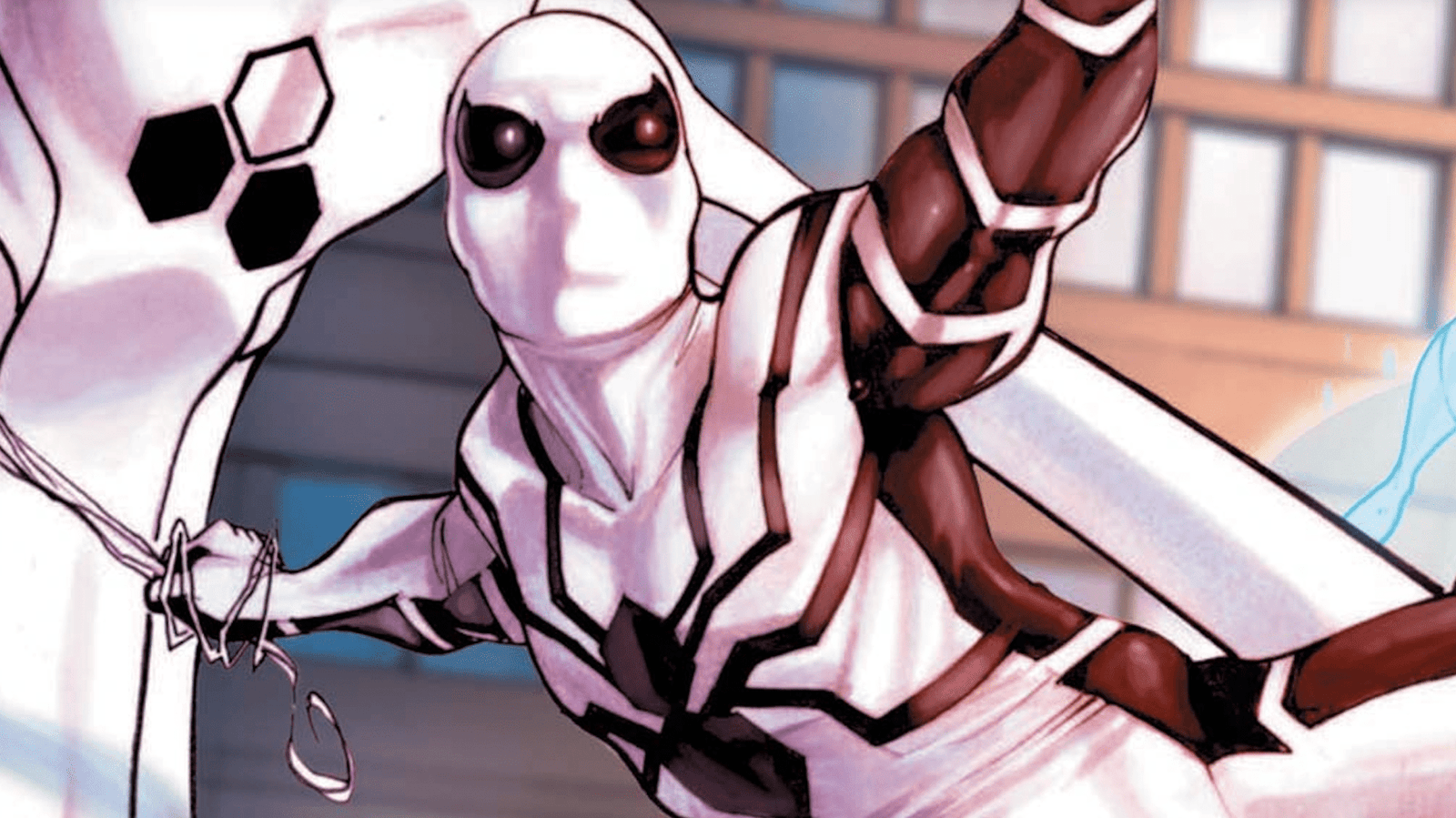
Spider-Man’s arrival marked him as the first adult recruit of the Future Foundation. He donned a striking white uniform, mirroring the new aesthetic of the team, and seamlessly stepped into a role reminiscent of Johnny’s: the team’s witty and often irreverent comic relief. Yet, Peter Parker brought far more than just levity. His intellect, often overshadowed by his street-level heroism, was a perfect fit for the Foundation’s mission. A self-taught scientific prodigy, Peter famously engineered his own web-shooters and worked at advanced technological corporations like Horizon Labs, demonstrating a profound understanding of applied science and engineering.
Beyond his technical acumen, Spider-Man also had extensive experience as a science teacher and a mentor to young heroes, making him an ideal candidate to inspire the next generation of geniuses within the Future Foundation. His empathy and innate kindness quickly endeared him to the grieving team members. However, integrating into the Future Foundation presented its own set of unique challenges for Peter. After years as an independent operator, adapting to a team dynamic, especially one still reeling from a monumental loss, required significant adjustment. He had to navigate the raw grief felt by Ben Grimm, Sue Storm, and even the impressionable Franklin Richards, all while attempting to fill the shoes of a cherished family member.
Despite the emotional complexities, Spider-Man’s quick wit, scientific brilliance, and unwavering compassion allowed him to swiftly find his footing. He didn't merely replace Johnny; he brought his own distinct energy and perspective, becoming a vital member who could both lighten the mood and contribute substantially to the team's scientific endeavors and field operations. His tenure saw him battle formidable threats like the insidious organization A.I.M. and the imperial Kree, all while contributing to the Future Foundation’s ambitious scientific projects.
A Decades-Long Bond: Spider-Man and the Fantastic Four's Shared History
Spider-Man’s eventual membership in the Fantastic Four, albeit under its Future Foundation moniker, was not a sudden impulse but the culmination of a relationship that spanned nearly the entirety of his existence. Their interwoven history dates back to the very first issue of *The Amazing Spider-Man* in 1962, where a fledgling Wall-Crawler, seeking to join the established super-team, famously attempted to infiltrate the Baxter Building. In a display of youthful exuberance and perhaps a dash of misguided logic, Spider-Man believed the most effective way to prove his worth was to single-handedly take down each member of the Fantastic Four. Despite being outnumbered, his nascent superpowers of enhanced strength, agility, and ingenious web-shooters allowed him to momentarily subdue the heroes, creating an iconic, albeit chaotic, first impression.
This initial encounter, marked by misunderstanding and a display of raw power, laid the groundwork for a unique friendship. Over the subsequent decades, Spider-Man would frequently cross paths with Marvel's First Family, often in informal team-ups, shared battles against common foes, or even just friendly visits. Their bond deepened through mutual respect and admiration, especially between Peter and Johnny, who shared a youthful exuberance and a penchant for lighthearted banter. These recurring interactions, scattered across countless comic issues, subtly built a narrative foundation, signaling to readers that Spider-Man was, in many ways, an honorary member long before he officially donned the white uniform. This rich, shared history made his recruitment into the Future Foundation feel like a natural, long-awaited evolution, fulfilling a narrative promise decades in the making.
The Enduring Legacy of a Brief Tenure
Spider-Man's time with the Future Foundation, though relatively brief—lasting only a year or two in publication time—was impactful. It offered fresh perspectives, compelling character dynamics, and a unique blend of scientific adventure and emotional depth. His role as both a teacher and an active field agent showcased new facets of his character, proving his versatility beyond his traditional solo narrative. The Future Foundation itself, under Reed Richards' guidance, pushed boundaries, exploring themes of scientific responsibility and the potential of a united intellectual front against cosmic threats.
Eventually, as comic book narratives often dictate, Johnny Storm was miraculously resurrected, leading to the joyous reunion of the original Fantastic Four. With Johnny’s return, the Future Foundation evolved once more, and Spider-Man gracefully transitioned out of his formal membership. While his tenure was finite, it left an indelible mark on both Spider-Man and Marvel's First Family. It provided a wealth of memorable stories, blending comedy and drama, and cemented the deep, enduring respect and affection between these iconic characters. It remains a celebrated chapter, illustrating how even temporary alliances can forge lasting legacies and profoundly shape the destinies of heroes.
Spider-Man's time with the Future Foundation stands as a testament to the dynamic nature of Marvel's storytelling and the enduring appeal of its characters. This pivotal period not only fulfilled a decades-long narrative tease but also offered fans a glimpse into a different, yet equally heroic, dimension of Peter Parker. To delve deeper into the intricate web of Marvel's history, explore more character analyses, and stay updated on the latest comic book news and lore, be sure to continue browsing NAME OF SITE, where every story is a journey into the heart of heroism and imagination.
Fonte: https://comicbook.com