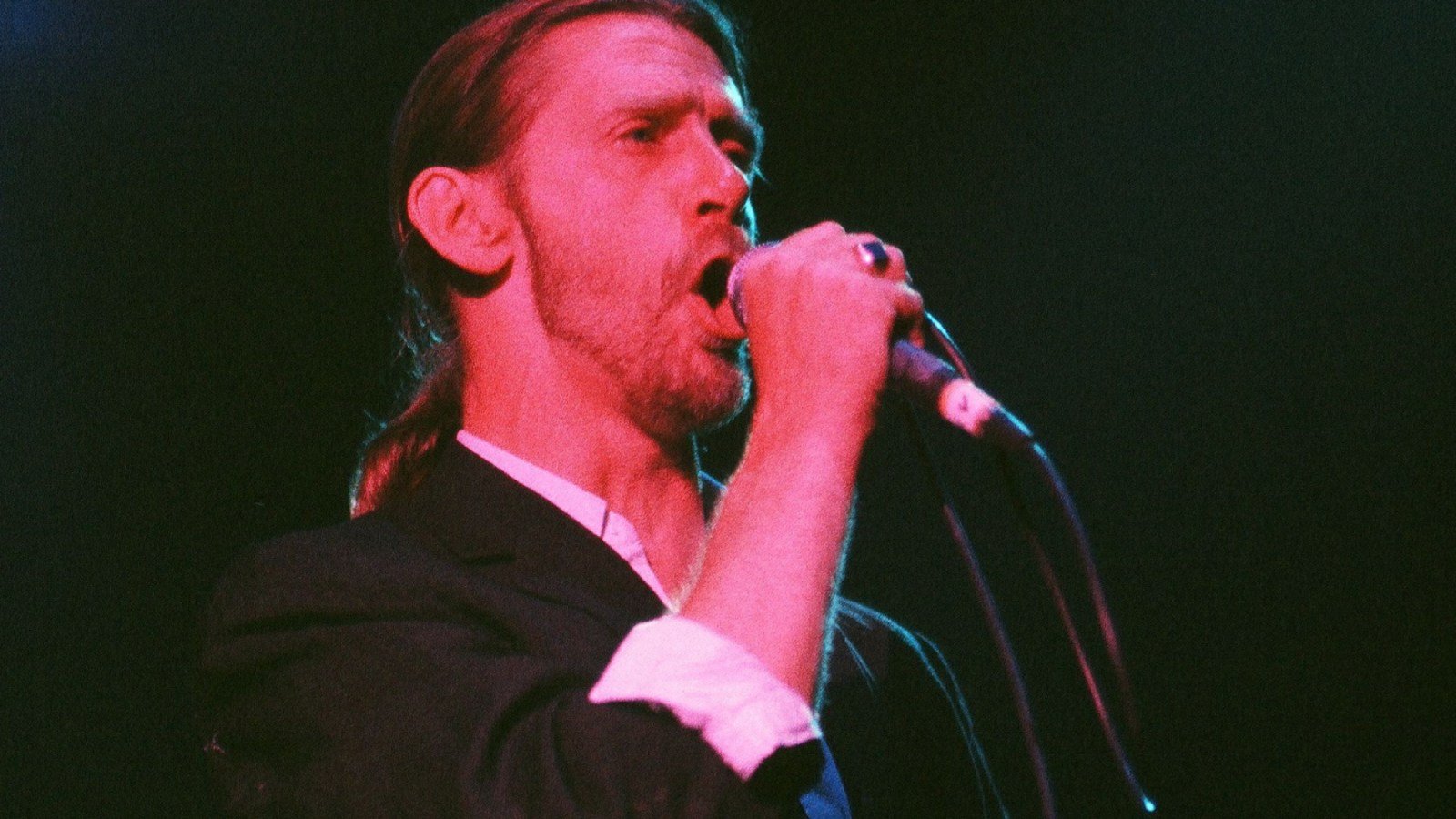
The comic book world mourns the loss of a truly distinctive voice and artistic visionary, Sam Kieth, who passed away on Sunday, March 15th, at the age of 63. Kieth, celebrated for his groundbreaking work on titles like "The Maxx" and his pivotal early contributions to "The Sandman," succumbed after a courageous and prolonged battle with Lewy Body Dementia. The news was shared by his friend and colleague, Scott Dunbier, on behalf of Kieth's family, prompting an outpouring of grief and remembrance from fans and industry professionals alike. While a memorial service will not be held, the family has respectfully requested that, in lieu of flowers, donations be made in Kieth's honor to the Hero Initiative, the Comic Book Legal Defense Fund, or the Lewy Body Dementia Association, reflecting his legacy both as a creator and a human being.
A Legacy Etched in Imagination: Kieth's Early Contributions to The Sandman
Before captivating audiences with his original creations, Sam Kieth played a crucial role in establishing one of modern comics' most acclaimed and enduring series: "The Sandman." Collaborating with legendary writer Neil Gaiman, Kieth lent his distinctive penciling talents to the first five issues of the saga, helping to visually define the ethereal realm of Dream, also known as Morpheus. His artistic style, characterized by its moody atmosphere, intricate detail, and often surreal elements, proved instrumental in shaping the initial aesthetic and tone of a universe that would soon become a cornerstone of the Vertigo imprint and, later, DC Comics. Kieth's early panels laid the groundwork for the character's appearance and the dreamscapes he traversed, directly influencing the iconic visual language that would carry the series through its acclaimed run and ultimately inspire its highly anticipated adaptation into a successful Netflix series, introducing a new generation to Dream's profound adventures.
The Unforgettable World of The Maxx: A Masterpiece of Surrealism
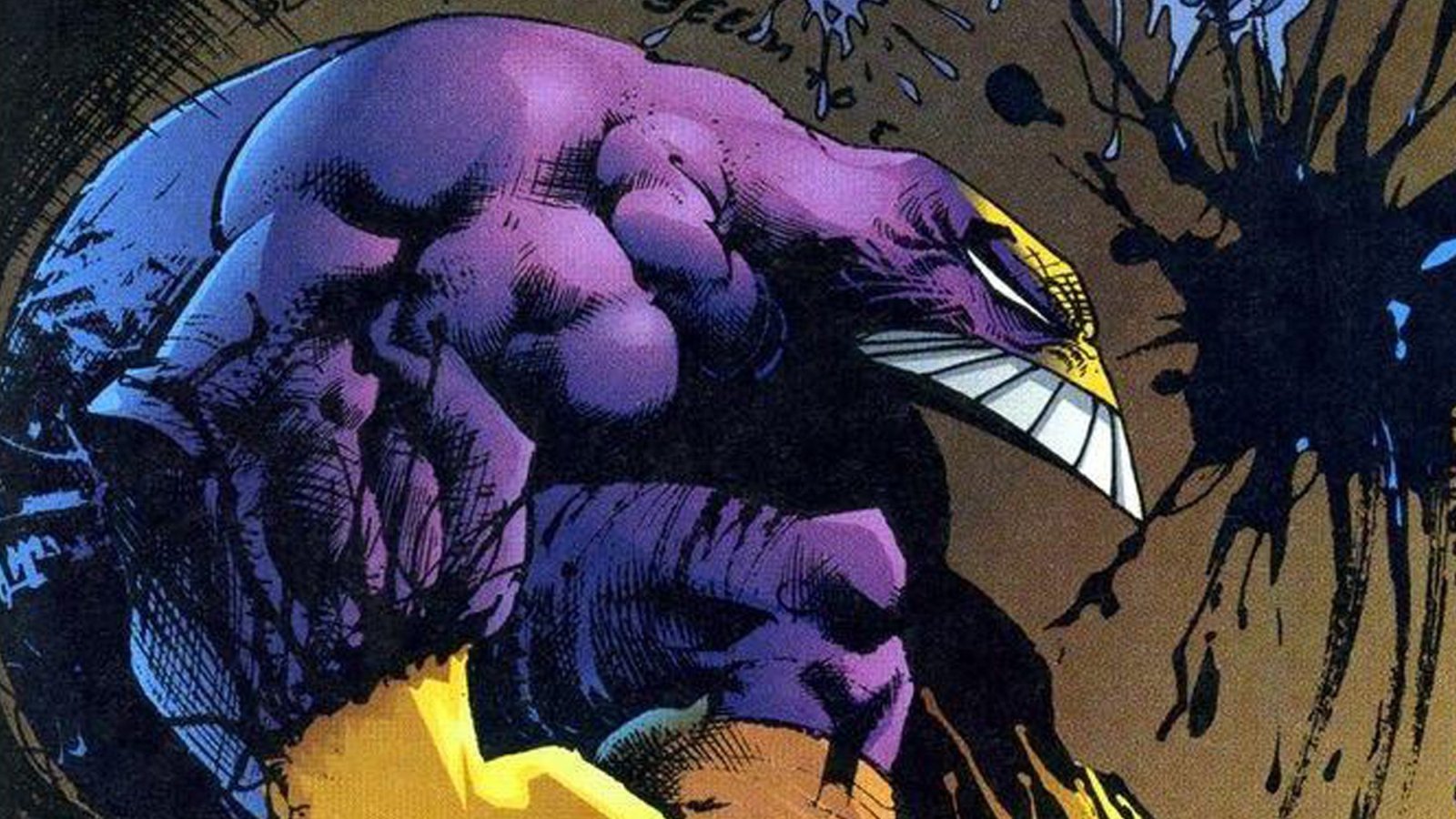
In 1993, Sam Kieth unleashed "The Maxx" upon the world, an Image Comics title that cemented his status as a singular creative force. "The Maxx" quickly distinguished itself with its highly experimental narrative and deeply psychological themes, becoming a cult classic for its unique blend of superhero tropes, dark fantasy, and profound introspection. Kieth's design for the titular character was instantly recognizable and utterly unforgettable: a hulking, muscular figure adorned in a tattered purple costume with striking yellow accents, exaggerated teeth, and formidable spiked hands. This visual identity was not merely aesthetic; it was an extension of the character's fractured reality and tormented psyche, instantly signaling that readers were embarking on a journey far removed from conventional superhero fare.
The premise of "The Maxx" was as wild and imaginative as its protagonist. The story navigated a complex duality, toggling between the grim realities of urban life and a vibrant, often terrifying, surreal dimension known as The Outback. In this fantastical Outback, Maxx was revered as the powerful protector of the enigmatic Leopard Queen. However, in the 'real world,' his existence was starkly different; he was a homeless man struggling with his identity, doing his best to protect Julie Winters, the social worker who served as the Leopard Queen's real-world counterpart. This constant interplay between these two disparate realities, and Maxx's often-confused attempts to reconcile them, created a deeply layered narrative that explored themes of mental health, perception, and the nature of heroism, all while delivering explosive and often bizarre action.
Beyond the Pages: The Maxx's Cultural Impact
The Maxx's unique appeal extended far beyond the comic book pages, leaving an indelible mark on popular culture. The series gained significant mainstream recognition through a critically acclaimed animated adaptation on MTV, which debuted in 1995. This animated series faithfully captured Kieth's distinctive art style and the comic's complex narrative, introducing a broader audience to its innovative storytelling and dark humor. The MTV adaptation was praised for its bold artistic direction and its commitment to the source material's mature themes, standing out amidst other animated programming of its era. Furthermore, the character's legacy was bolstered by a memorable crossover event with DC Comics' Batman, with the Joker inadvertently introducing the Caped Crusader to the bizarre landscapes of The Outback. Years later, IDW Publishing would undertake the valuable task of republishing the original series, ensuring that new generations of readers could discover Kieth's seminal work and the surreal genius of "The Maxx."
A Diverse Portfolio: Beyond His Signature Works
Sam Kieth's creative output was remarkably extensive and varied, demonstrating a fearless willingness to explore different genres and characters across numerous publishers. Beyond his iconic contributions to "The Sandman" and "The Maxx," his rich catalog includes a wide array of titles that showcased his unique artistic vision. Fans recognized his hand in DC Comics' "Batman: Secrets" and "Batman: Through The Looking Glass," where he brought a distinctive, often unsettling, interpretation to the Caped Crusader's world. His versatility shone through in projects like "Zero Girl," "Eleanor & The Egret," and "The Hollows," which allowed him to delve into more personal, introspective narratives. He also contributed to major Marvel storylines, including "Wolverine/Hulk," and explored darker, more mature themes in titles like "30 Days of Night" and "Judge Dredd." Kieth's distinctive style also graced crossover events such as "Batman/Lobo: Deadly Serious" and standalone series like "Lobo: Highway to Hell" and "Mars Attacks: First Born," proving his ability to imbue even established characters with his signature blend of the bizarre and the profound. His body of work stands as a testament to an artist constantly pushing boundaries and fearlessly experimenting with form and narrative.
Battling Lewy Body Dementia and a Call to Action
Sam Kieth's passing after a battle with Lewy Body Dementia (LBD) casts a spotlight on this complex and often misunderstood neurological condition. LBD is a progressive brain disorder that affects thinking, movement, behavior, and mood, representing one of the most common causes of dementia after Alzheimer's disease. Its symptoms can include fluctuations in attention and alertness, recurrent visual hallucinations, and Parkinsonian motor symptoms such as rigidity and tremors. The family's request for donations to the Lewy Body Dementia Association highlights the critical need for increased awareness, research, and support for those afflicted by this challenging illness and their caregivers. Furthermore, their mention of the Hero Initiative and the Comic Book Legal Defense Fund underscores the broader industry's commitment to supporting creators, both during their careers and in times of hardship, advocating for their rights and providing financial and medical assistance when needed. Kieth’s legacy, therefore, extends beyond his art, inspiring generosity and advocacy within the creative community and beyond.
Sam Kieth's passing marks the end of an era for many who found solace, wonder, and inspiration in his uniquely imaginative worlds. His work challenged conventions, delved into the depths of the human psyche, and left an undeniable imprint on the landscape of comic books and sequential art. His distinct visual style and narrative courage will continue to resonate with readers and creators for generations to come. Our thoughts remain with his wife, Kathy, and his entire family during this difficult time. To delve deeper into the rich tapestry of comic book history, explore more visionary artists, and stay informed on the latest developments in the world of graphic storytelling, we invite you to continue browsing NAME OF SITE, where we celebrate the creators who shape our imaginations.
Fonte: https://comicbook.com