
Darfur está em crise novamente. Por que o mundo não está olhando?
In the displacement camps outside the town of Tawila in North Darfur, the war-torn region of Sudan, the nights often settle into a fragile quiet after the long heat of the day fades. Cooking fires burn low between rows of shelters made from sticks, tarpaulins, and scraps of cloth. Groups of women huddle in the fading light, their hushed conversations punctuated by the distant sounds of a conflict that refuses to subside. This scene, eerily reminiscent of the atrocities that plagued Darfur two decades ago, paints a stark picture of a crisis deepening once more, largely unnoticed by a world grappling with other geopolitical flashpoints. The humanitarian situation is deteriorating rapidly, characterized by widespread displacement, targeted violence, and a severe lack of essential resources, pushing an already vulnerable population to the brink.
A Grim Echo of the Past: Darfur's Enduring Struggle
The name Darfur conjures images of one of the 21st century's most horrific genocides, a systematic campaign of violence against non-Arab ethnic groups that began in 2003. Over 300,000 people were killed and millions displaced as Janjaweed militias, backed by the then-government, unleashed terror across the region. While the intensity of that initial conflict waned, violence never truly ceased, simmering beneath the surface until erupting again with renewed ferocity. The current resurgence of conflict is deeply intertwined with the broader power struggle between the Sudanese Armed Forces (SAF) and the Rapid Support Forces (RSF), which began in April 2023. However, in Darfur, this national conflict has reignited older, ethnically charged grievances, with the RSF and allied Arab militias accused of perpetrating atrocities that mirror those of the early 2000s.
Witness accounts and humanitarian reports from areas like Tawila, Kutum, El Fasher, and Nyala detail a horrifying pattern of attacks against non-Arab communities, particularly the Masalit people. These attacks include indiscriminate killings, sexual violence against women and girls, destruction of homes, and looting, driving hundreds of thousands from their homes. The scale of displacement is staggering, with many fleeing across borders into Chad or internally to already overcrowded camps that lack adequate sanitation, food, and medical supplies. The fragility of peace agreements, often signed and then disregarded, underscores the cyclical nature of conflict and the immense challenge of fostering lasting stability in the region.
The Anatomy of a Modern Crisis: Drivers and Dynamics
Understanding the current crisis requires a closer look at its multifaceted drivers. Beyond the immediate SAF-RSF confrontation, the conflict in Darfur is fueled by deep-seated issues of land ownership, resource scarcity exacerbated by climate change, and longstanding ethnic tensions. The RSF, largely evolved from the Janjaweed militias, holds significant sway in Darfur, leveraging local grievances and historical animosities to consolidate power. Their campaign in Darfur is not merely a byproduct of the national conflict but a strategic move to secure control over vital trade routes and gold mines, further entrenching their economic and military dominance in the region.
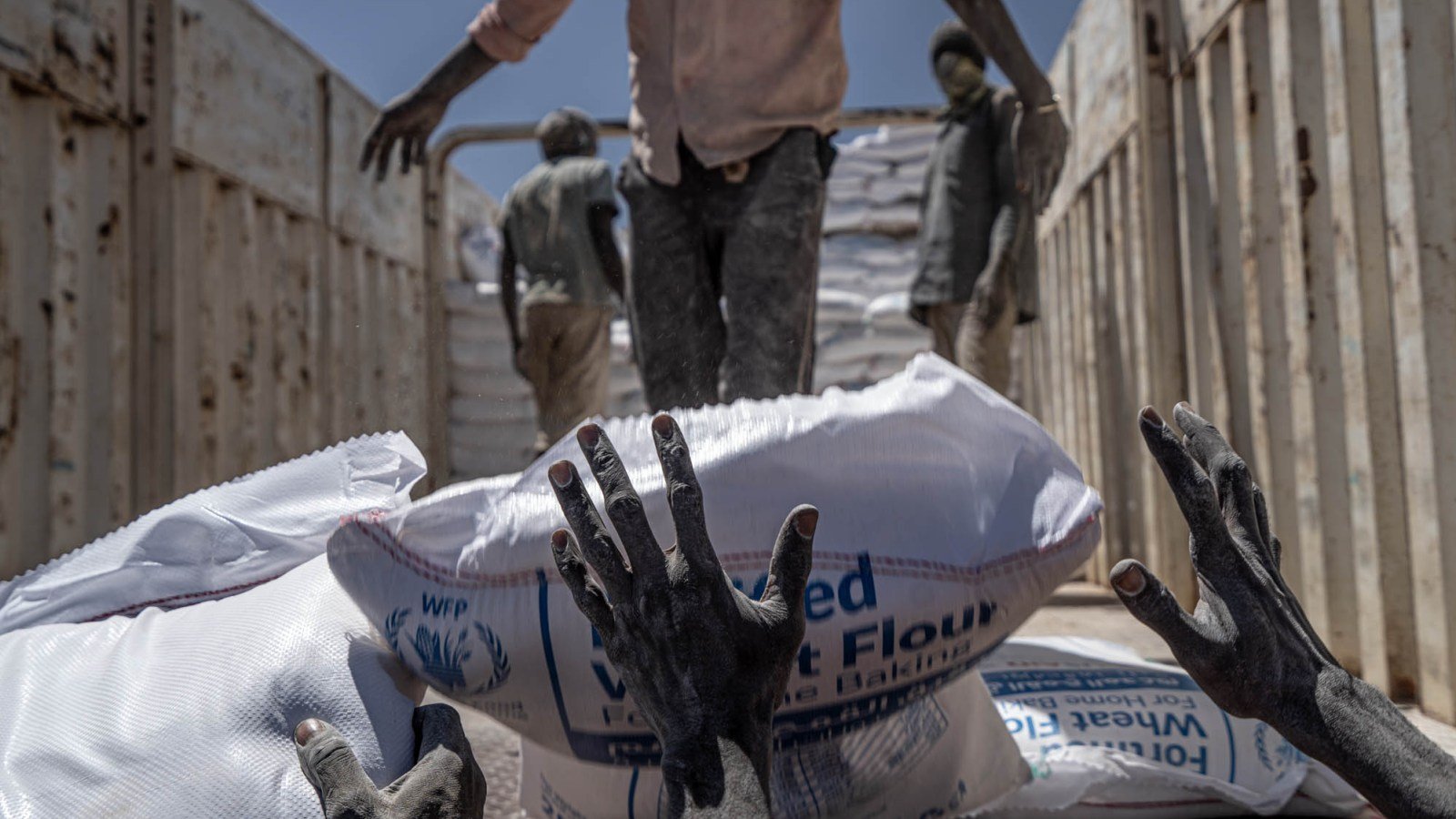
The breakdown of state authority following the 2023 conflict has created a power vacuum, allowing various armed groups, including elements allied with the RSF, to operate with impunity. This environment of lawlessness has been fertile ground for severe human rights abuses. Reports indicate that humanitarian aid access is severely restricted, with convoys often looted or blocked, leaving millions without life-saving assistance. The deliberate targeting of infrastructure, including hospitals and water sources, further compounds the humanitarian catastrophe, transforming an already dire situation into an existential threat for many communities.
The Humanitarian Catastrophe: A Call for Urgent Action
The human cost of this renewed violence is immeasurable. Estimates suggest that over 8 million people in Sudan, including a significant portion from Darfur, have been displaced since April 2023, making it the world's largest displacement crisis. Food insecurity has reached emergency levels, with the World Food Programme warning of an impending famine affecting millions. Access to clean water, shelter, and medical care is critically limited, leading to outbreaks of preventable diseases like cholera and measles, particularly among children in crowded camps. Women and girls face heightened risks of gender-based violence, including rape and abduction, used as weapons of war.
The international humanitarian response, while present, is severely underfunded and overwhelmed by the scale of the crisis. Aid organizations struggle to reach affected populations due to insecurity, bureaucratic hurdles, and deliberate obstruction. The lack of safe corridors and the ongoing violence make relief efforts perilous and often insufficient to meet the overwhelming needs. This dire situation underscores the urgent need for sustained international attention and increased funding to prevent a total collapse of humanitarian services and avert an even greater tragedy.
Why Is the World Looking Away?
The most perplexing question surrounding Darfur's unfolding tragedy is why it has largely escaped significant global attention. Several factors contribute to this oversight. Firstly, the sheer number of concurrent global crises, from the conflict in Ukraine to humanitarian emergencies in Gaza and other parts of Africa, has stretched international resources and focus thin. Darfur, already a 'forgotten' crisis for many years, struggles to compete for headlines and donor funding amidst these more prominent narratives.
Secondly, Sudan's internal political instability and the complexity of its various conflicts make it challenging for external actors to intervene effectively or even comprehend the nuances. The difficulty of accessing reliable information due to media blackouts and dangerous conditions further hinders efforts to raise awareness and galvanize international action. Furthermore, some analysts point to a certain 'fatigue' with long-running conflicts, where the initial shock and outrage eventually give way to a desensitization, making it harder to rally support for regions that have experienced protracted instability.
Lastly, the absence of clear strategic interests for major global powers in Darfur, compared to other regions, may also contribute to the lack of robust diplomatic and military engagement. While the humanitarian imperative is clear, geopolitical calculations often dictate the level of international response. The world's collective failure to prioritize Darfur risks allowing a grave human rights crisis to escalate unchecked, with long-term consequences for regional stability and the international community's credibility in protecting vulnerable populations.
Paths Forward: Breaking the Cycle of Violence
Addressing the crisis in Darfur requires a multi-pronged approach that goes beyond humanitarian aid. Fundamentally, there needs to be sustained international diplomatic pressure to halt the fighting, particularly the targeted violence against civilians, and ensure unimpeded humanitarian access. Accountability for atrocities committed, perhaps through renewed efforts by the International Criminal Court, is crucial to break the cycle of impunity that has fueled past and present conflicts. Without justice, lasting peace remains elusive.
Beyond immediate cessation of hostilities, long-term solutions must focus on comprehensive peacebuilding, including demobilization and reintegration programs for armed groups, addressing root causes of conflict such as land disputes and resource competition, and fostering inclusive governance structures. Empowering local communities and civil society organizations to participate in peace processes is vital for creating sustainable stability. The international community, led by institutions like the United Nations and the African Union, must demonstrate unwavering commitment to Darfur, moving beyond reactive responses to proactive engagement aimed at genuine reconciliation and development.
The plight of Darfur's people demands more than just passing acknowledgment; it requires urgent, coordinated, and sustained global action. As the nights continue to settle into fragile quiet in Tawila, the hope for peace and security depends on whether the world is finally ready to look, listen, and act. For more in-depth analyses of global conflicts, humanitarian crises, and geopolitical dynamics, explore our comprehensive coverage here on NAME OF SITE, where we strive to bring critical issues into focus.
Fonte: https://www.rollingstone.com