The gaming world is currently abuzz with anticipation and nostalgia as The Legend of Zelda franchise commemorates an impressive 40 years since its inception. Nintendo has marked this significant milestone with various notable releases and announcements, keeping the beloved series at the forefront of discussions among enthusiasts and newcomers alike. However, amidst these celebrations, a recent leak suggesting the potential arrival of *The Legend of Zelda: Ocarina of Time* on a rumored Nintendo Switch 2 console has ignited a fervent debate, polarizing the dedicated fanbase.
The Alleged Leak and Its Genesis
The origins of this particular leak are shrouded in the typical ambiguity of unconfirmed reports, often stemming from anonymous online sources, retail listings, or datamining efforts that scour game files for hidden information. While Nintendo maintains a notoriously tight lid on future developments, the digital age has made such preemptive disclosures increasingly common. The mere mention of *Ocarina of Time* in conjunction with a 'Switch 2' sends ripples through the community, not just because of the game's legendary status, but also due to the profound implications of a next-generation Nintendo console. This alleged leak, whether intentional or accidental, thrusts one of gaming’s most revered titles back into the spotlight, prompting intense speculation about Nintendo's long-term strategy for its flagship franchises.
The Enduring Legacy of *Ocarina of Time*
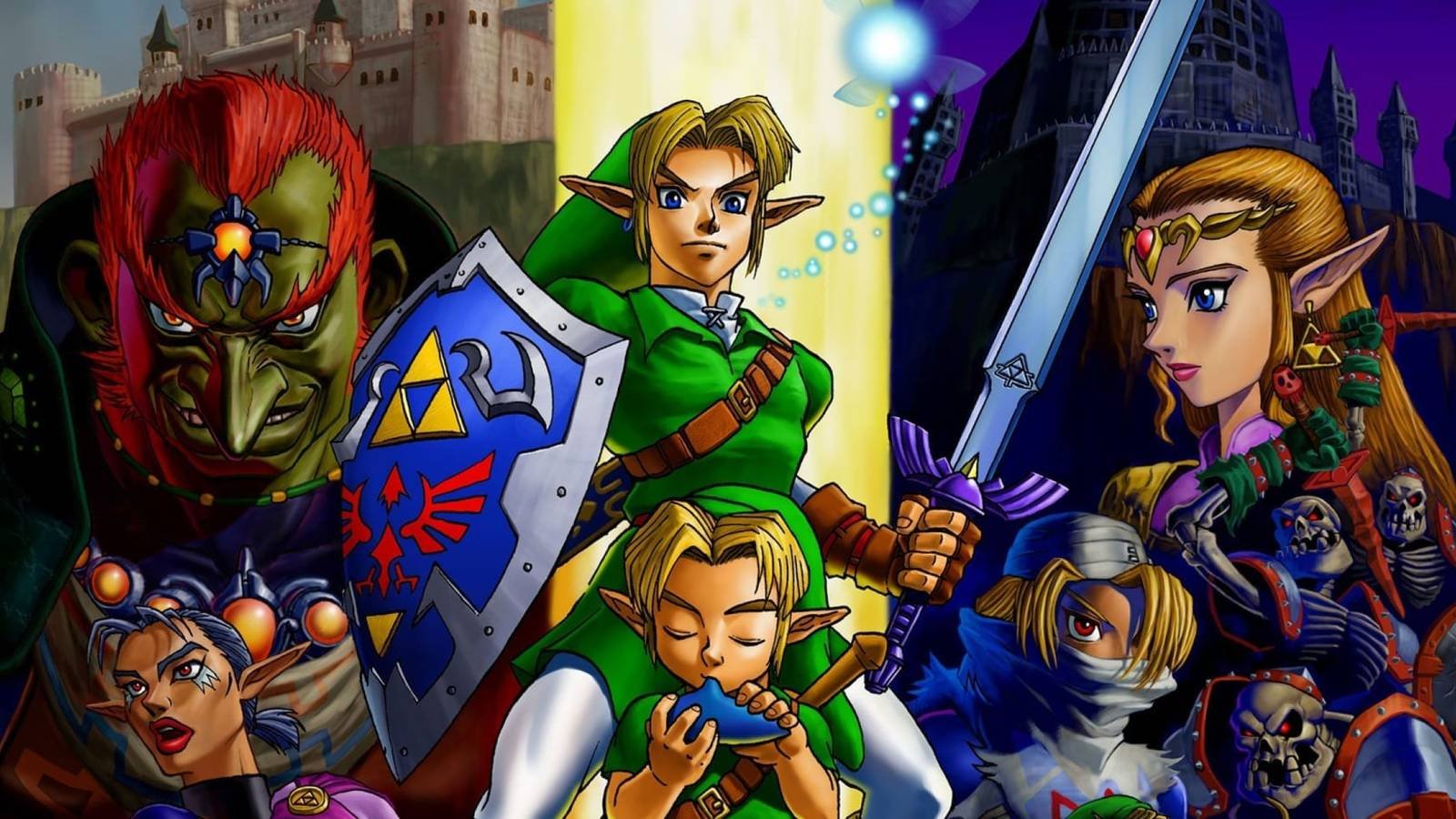
Released in 1998 for the Nintendo 64, *The Legend of Zelda: Ocarina of Time* is widely regarded as a pivotal moment in video game history. It was not merely a game; it was a paradigm shift, setting new standards for 3D adventure, cinematic storytelling, and innovative gameplay mechanics. Its revolutionary Z-targeting system, contextual button prompts, and expansive Hyrule overworld redefined how players interacted with virtual environments. Critics lauded it as a masterpiece, frequently citing it as one of the greatest video games ever created. Its impact resonates to this day, influencing countless developers and captivating generations of players. Consequently, any whisper of its re-release or remaster is met with a mix of excitement and trepidation, given the high bar it set and the deep emotional connection many players have with the original experience.
Over the years, Nintendo has revisited *Ocarina of Time* multiple times, preserving its legacy across various platforms. It saw re-releases on the GameCube as part of collector's editions, was made available through Nintendo's Virtual Console services on the Wii and Wii U, and received a critically acclaimed 3D remake for the Nintendo 3DS in 2011, which introduced updated graphics and quality-of-life improvements. More recently, it joined the growing library of Nintendo 64 titles accessible via the Nintendo Switch Online + Expansion Pack, ensuring its availability to contemporary audiences, albeit through emulation.
The Divide: Arguments for a Modern Re-release
Accessibility and Preservation
One of the primary arguments supporting a new version of *Ocarina of Time* on the Switch 2 centers on accessibility. Many younger gamers have never experienced the original title in its prime or even the 3DS remake. A modern port or remaster would introduce this iconic game to an entirely new generation of players, allowing them to appreciate its historical significance and timeless design without needing access to older hardware or a subscription service with potential emulation quirks. Furthermore, continually updating and making classic titles available on current hardware is a vital aspect of video game preservation, ensuring that cultural touchstones remain playable and relevant.
Enhanced Visuals and Performance
Enthusiasts also express a strong desire for *Ocarina of Time* to receive a significant graphical overhaul. While the 3DS version offered a visual upgrade, a potential Switch 2 release could leverage more powerful hardware for higher resolution textures, improved lighting, smoother frame rates, and perhaps even minor gameplay refinements that were not possible on previous systems. This could culminate in a definitive modern version of the game, one that respects the original's art style while bringing its presentation up to contemporary standards, offering a fresh perspective on Hyrule's enchanting landscapes and formidable dungeons.
The Divide: Concerns and Opposition
Fear of Superficial Ports
Conversely, a significant portion of the fanbase expresses skepticism and even opposition to another re-release. A prominent concern stems from Nintendo's recent history with retro game ports, particularly those offered through the Nintendo Switch Online + Expansion Pack. Many NSO emulation efforts have faced criticism for issues such as input lag, graphical glitches, or perceived inaccuracies compared to the original hardware. Gamers worry that *Ocarina of Time* might receive a minimal, uninspired port rather than a dedicated remaster, potentially tarnishing the game's reputation for those experiencing it for the first time.
Desire for Innovation and New Content
Another powerful argument against a new *Ocarina of Time* re-release is the yearning for entirely new Zelda experiences. With the franchise celebrating its 40th anniversary, many fans hope for groundbreaking new titles that push the series forward, similar to the revolutionary impact of *Breath of the Wild* and *Tears of the Kingdom*. Focusing resources on yet another re-release, some argue, diverts attention and development time from creating innovative new adventures or substantial remakes of other deserving titles within Nintendo's vast catalog. The perception of a cash grab, rather than genuine celebration or innovation, can also fuel this discontent.
Pricing and Value Proposition
The pricing strategy for a re-released *Ocarina of Time* also forms a point of contention. If Nintendo were to offer a minimally enhanced port at a full retail price, similar to some of its other heritage titles, it could be met with significant backlash. Many gamers feel that a game from 1998, even an iconic one, should be priced accordingly unless it receives a comprehensive, ground-up remake that justifies a premium cost. The value proposition becomes a crucial factor in how such a release would be received by the market.
Nintendo's Strategy and the 'Switch 2' Factor
Nintendo has a well-established history of leveraging its most popular intellectual properties through remakes, remasters, and ports. Titles like *The Legend of Zelda: Wind Waker HD* and *Twilight Princess HD* for the Wii U, or *Skyward Sword HD* for the Switch, demonstrate a clear strategy to bring beloved classics to modern audiences and hardware, often with enhancements. This strategy allows Nintendo to capitalize on nostalgia while also bridging the gap between new console generations, providing familiar content during early console life cycles when new, exclusive titles may still be in development.
The mention of 'Switch 2' in the leak adds another layer of complexity and excitement. While Nintendo has yet to officially announce its next console, speculation is rampant regarding its capabilities and release window. A highly anticipated title like *Ocarina of Time*, especially if it were a launch or early release, could serve as a powerful nostalgia-driven sales booster for the new hardware, much like *Twilight Princess* did for the Wii. The potential technical prowess of the Switch 2 could offer an ideal platform to finally realize a truly definitive version of *Ocarina of Time*, combining its timeless gameplay with modern graphical fidelity and performance, potentially appealing to both long-time fans and new players.
Broader Implications for the Zelda Franchise
The *Ocarina of Time* leak, whether true or not, highlights a persistent tension within the Zelda community and Nintendo's broader publishing strategy: the balance between honoring a rich legacy and fostering innovation. As the franchise continues its 40th-anniversary celebrations, the decision to re-release classics versus focusing entirely on new titles will shape its future trajectory. A well-executed *Ocarina of Time* remaster could be a powerful tribute, but a poorly handled one could lead to fatigue. This ongoing discussion underscores the deep passion players hold for Hyrule and its hero, Link, and their collective desire for the series to continue thriving for decades to come, balancing reverence for its past with an ambitious vision for its future.
The debate surrounding a potential *Ocarina of Time* re-release on a future Nintendo console encapsulates the passion and diverse expectations within the gaming community. As Nintendo navigates its 40th anniversary and prepares for its next hardware generation, the decisions made regarding its legendary catalog will undoubtedly shape public perception and influence future successes. Whether you lean towards nostalgic re-exploration or crave fresh adventures, the conversation around this iconic title continues to captivate. Stay tuned to NAME OF SITE for the latest updates, in-depth analyses, and comprehensive coverage of all things Nintendo and the ever-evolving world of gaming. We invite you to explore more of our articles and join the discussion with fellow enthusiasts!
Fonte: https://screenrant.com