
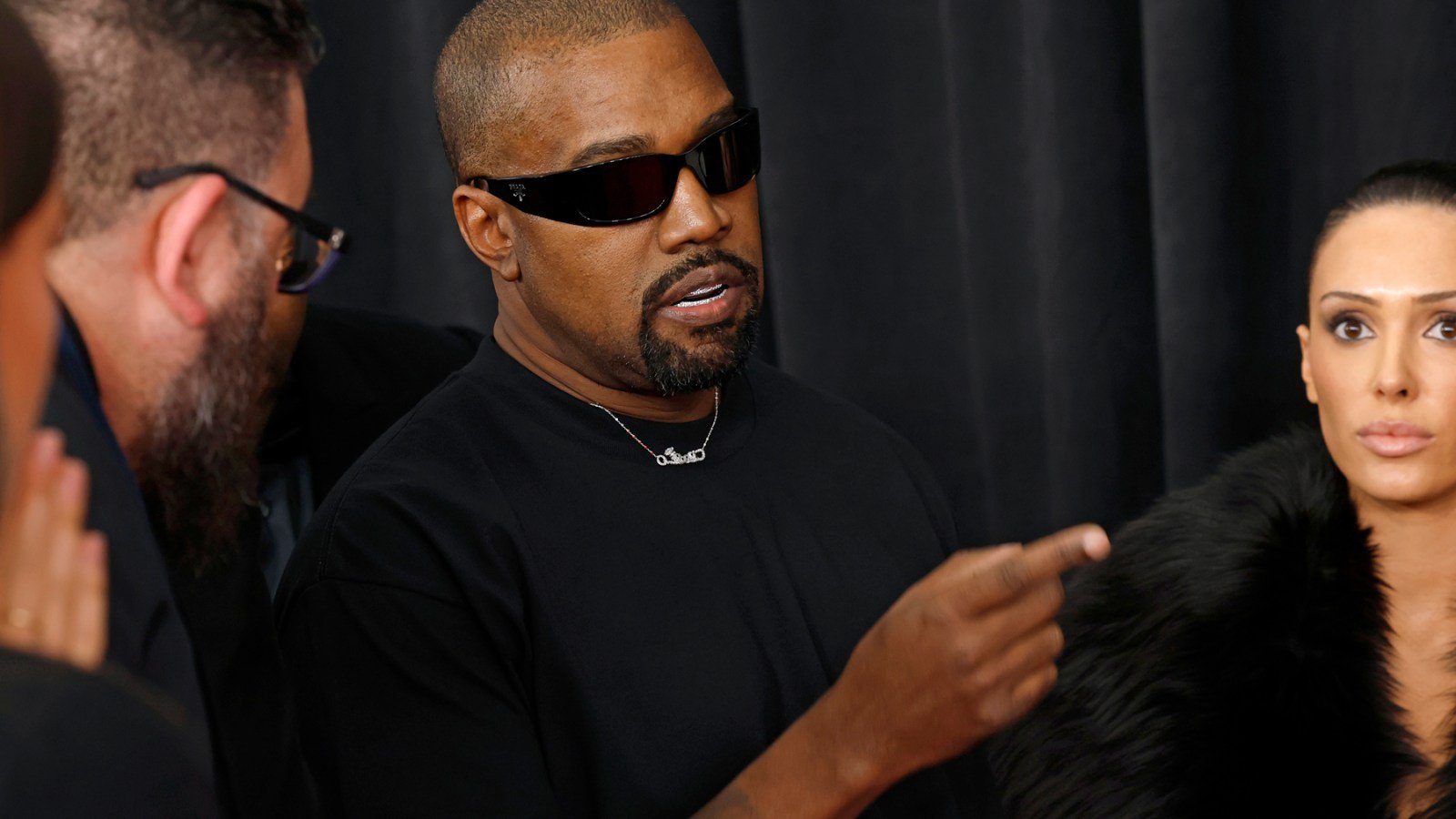
The renowned musician, producer, and entrepreneur formerly known as Kanye West, now legally recognized as Ye, is embroiled in a significant legal dispute, actively challenging a six-figure jury award. At the center of this contention is a $150,000 judgment awarded to former security guard Tony Saxon, following a trial related to Ye's sprawling Malibu property. Ye's legal team vehemently asserts that the jury's decision is unfounded, claiming there was "no competent evidence" presented during the proceedings to support such a substantial financial penalty. This challenge underscores a critical phase in the ongoing legal saga, highlighting the complexities of high-profile employment disputes and the rigorous standards of evidence required in legal judgments.
The Genesis of the Dispute: Employment and Allegations
The origins of this lawsuit trace back to Tony Saxon's employment at Ye's distinctive oceanfront mansion in Malibu. Saxon, who served as a security guard and caretaker, claims that his tenure was marked by a series of concerning issues. His lawsuit alleged a range of grievances, including unpaid wages for services rendered, exposure to a hostile work environment, and ultimately, wrongful termination. These accusations painted a picture of an employer-employee relationship that deteriorated significantly, leading Saxon to seek legal redress for perceived injustices. The Malibu property itself is a focal point of Ye's creative and personal endeavors, known for its minimalist concrete architecture and its role as a space for various ambitious projects, making any dispute connected to it particularly noteworthy.
Saxon's claims detailed specific instances of alleged non-payment and poor working conditions, which he argued directly impacted his financial well-being and professional dignity. The legal action sought not only compensation for the alleged monetary losses but also punitive damages for the emotional distress and professional harm he purportedly suffered. Such claims are common in employment law, where former employees seek to hold their employers accountable for breaches of contract or violations of labor laws, regardless of the employer's public stature or financial resources.
The Jury's Verdict: A Six-Figure Judgment
Following a trial where both parties presented their arguments and evidence, a jury in California sided with Tony Saxon, awarding him $150,000. The judicial process involved meticulous examination of testimonies, documents, and other forms of evidence. The jury, acting as the primary arbiters of fact, weighed the credibility of the witnesses and the strength of the evidence presented by Saxon's legal team against the defense offered by Ye's representatives. Their decision to award a six-figure sum suggests that they found sufficient grounds to believe Saxon's claims regarding unpaid wages, a hostile environment, or wrongful termination were credible and warranted significant compensation.
This verdict signifies the jury's conclusion that Saxon had indeed incurred damages as a direct result of his employment experience with Ye. The $150,000 award is intended to compensate Saxon for these damages, which could include back pay, emotional distress, or other losses recognized under California labor laws. For many plaintiffs, a jury verdict in their favor, especially against a high-profile individual, represents a significant victory and validation of their claims. However, it also opens the door for post-trial motions and potential appeals, as seen in the current development with Ye's challenge.
Ye's Legal Stance: "No Competent Evidence"
Ye's legal team has unequivocally stated that the $150,000 award "cannot stand," basing their argument on the assertion of "no competent evidence." In legal parlance, "competent evidence" refers to evidence that is relevant, material, and legally admissible in court. It must be of a quality and nature that legitimately proves or disproves a fact in issue. Ye's challenge suggests that, in the eyes of his attorneys, the evidence presented by Saxon either lacked the necessary legal weight, was not properly presented, or was insufficient to establish the claims beyond a reasonable doubt required for such an award.
This line of argument is a fundamental aspect of the appellate process. Lawyers often contend that a jury's decision was influenced by improper evidence, faulty legal instructions from the judge, or a complete lack of factual basis. For Ye's team, the focus is likely on demonstrating that Saxon failed to meet his burden of proof with legally sound and persuasive evidence regarding the alleged damages or the culpability of Ye and his entities. Such a challenge seeks to scrutinize the foundational elements of the original trial, aiming to expose perceived flaws in the judicial process that led to the adverse judgment.
Grounds for Appeal and Next Steps
Challenging a jury verdict is a multi-faceted legal endeavor. Ye's attorneys could file various post-trial motions, such as a motion for judgment notwithstanding the verdict (JNOV), arguing that no reasonable jury could have reached the verdict based on the evidence, or a motion for a new trial, citing legal errors or procedural irregularities. Should these motions fail, the next step would typically be an appeal to a higher court. An appellate court reviews the trial record to determine if any legal errors occurred that would have unfairly prejudiced the outcome.
The potential outcomes of such a challenge are diverse. The court could affirm the original verdict, upholding the $150,000 award. Alternatively, it could reverse the verdict entirely, absolving Ye of the financial responsibility. A third possibility involves a modification of the award, reducing the amount deemed excessive, or even ordering a new trial if significant legal errors are identified. This legal dance adds layers of complexity and prolongs the resolution of the dispute, keeping both parties in a state of legal limbo until a final decision is rendered by the higher courts.
Broader Implications and Ye's Public Profile
This specific legal battle is not isolated; it resonates with Ye's broader public and business persona, which has often been characterized by ambitious projects, innovative ventures, and sometimes, contentious professional relationships. From his Donda Academy to his various fashion lines and musical enterprises, Ye has a history of high-stakes endeavors that often involve large teams and complex logistical arrangements. Disputes with former employees or collaborators, while not uncommon for any high-profile figure, can draw magnified scrutiny when associated with someone of Ye's global stature.
The impact of such legal challenges extends beyond the courtroom. For a public figure, legal battles can affect public perception, influence business dealings, and divert significant resources—both financial and time-wise—from other ventures. While Ye has demonstrated resilience and a willingness to fight for his beliefs and interests in various arenas, ongoing litigation can be taxing. It also underscores the importance of stringent contractual agreements and fair labor practices, particularly when managing a workforce involved in high-profile and often unconventional projects.
The Significance for Labor Law and Celebrity Employment
Cases involving celebrity employers and their staff often serve as important precedents or reminders of fundamental labor rights. Regardless of an employer's fame or wealth, the legal system aims to ensure that all employees are treated fairly, paid appropriately, and work in a non-hostile environment. The outcome of cases like Tony Saxon's against Ye can highlight the protections afforded to workers and reinforce the principle that no individual or entity is above the law when it comes to employment standards. It reminds both employers and employees of their respective rights and obligations.
Looking Ahead: The Path to Resolution
The challenge to the $150,000 jury award signals that this legal dispute is far from over. The path to a final resolution will likely involve further legal filings, detailed appellate briefs, and potentially oral arguments before a panel of judges. Each step in this process offers an opportunity for both sides to present their arguments anew, focusing on the legal merits and procedural correctness of the original trial. The legal system, while designed to be thorough, can often be slow, meaning that a definitive conclusion could still be months or even years away.
This ongoing legal saga underscores the persistent tension between a jury's initial finding of fact and an appellant's right to challenge what they perceive as an erroneous judgment. As Ye continues to push back against the verdict, the legal community and the public will be watching closely to see how the courts ultimately reconcile these competing claims. Stay tuned to [Your Site Name] for the latest developments and in-depth analysis of this and other significant legal news. For more comprehensive reporting and expert insights into the world of entertainment, business, and law, be sure to explore our extensive archives and subscribe to our newsletters, ensuring you're always informed with reliable, well-researched content.
Fonte: https://www.rollingstone.com