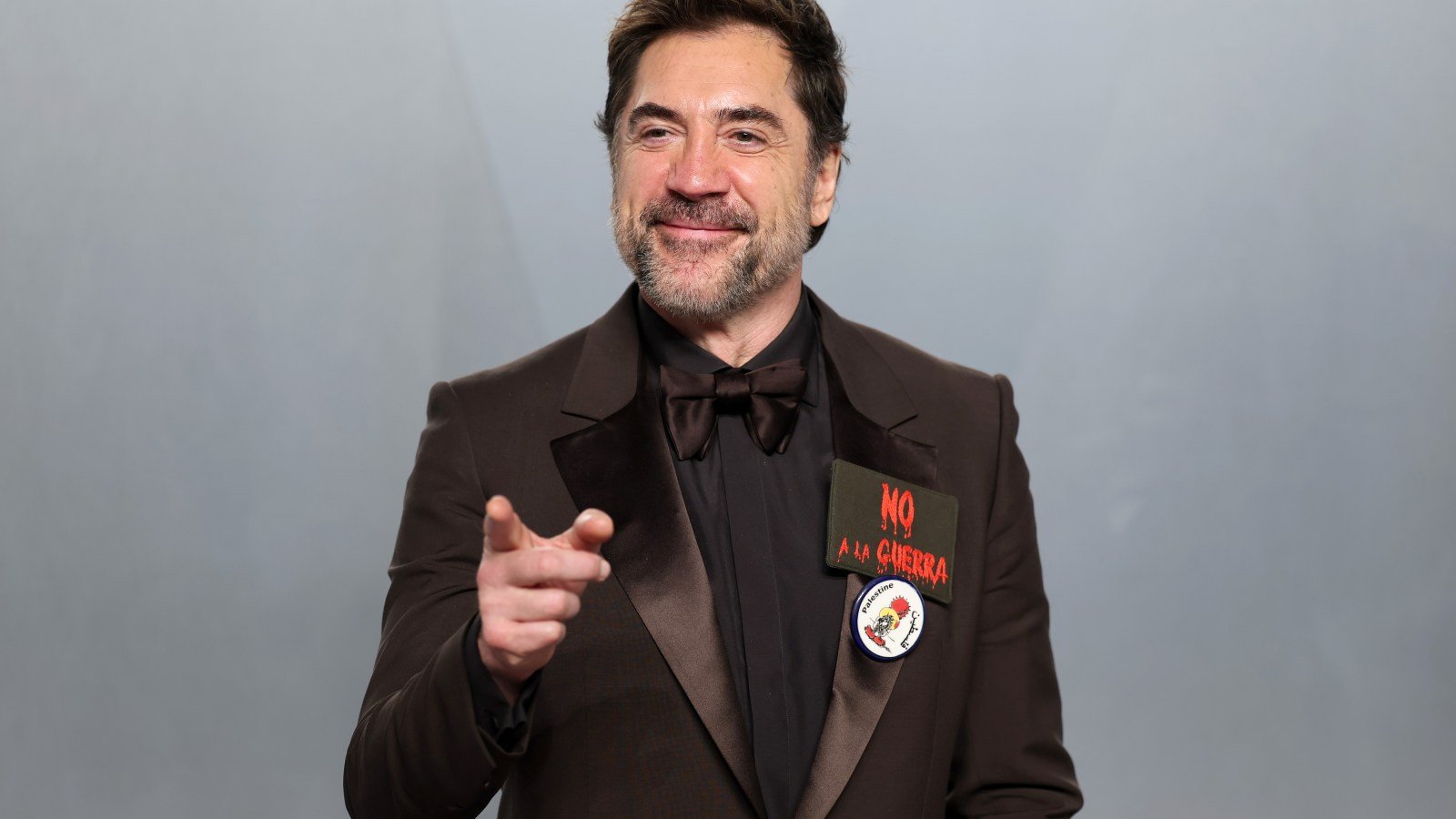
The Academy Awards, a global spectacle celebrating cinematic achievement, often transcend their primary purpose to become a vibrant, sometimes contentious, platform for social and political commentary. In recent memory, moments of profound artistic recognition have shared the spotlight with powerful statements on pressing global issues. Among these, actor Javier Bardem's articulate explanation of his decision to speak out about war and the situation in Palestine at the Oscars resonated deeply, drawing a clear line between the responsibilities of an artist and those of a global citizen. His assertion, "You can be part of the movie-making community, which is an important community, and also be a citizen," encapsulates a philosophy embraced by many in the public eye who feel compelled to leverage their influence for causes beyond entertainment. This stance invites a broader discussion about the intersection of art, activism, and the moral obligations of individuals with significant public platforms, particularly when global conflicts demand attention.
The Dual Role: Artist and Advocate
Javier Bardem, a critically acclaimed actor known for his compelling performances in films such as "No Country for Old Men" and "Skyfall," has consistently demonstrated a commitment to social justice. His statement at the Oscars was not an isolated incident but rather a continuation of a pattern of advocacy seen throughout his career. He articulated a fundamental belief that participation in the arts community, no matter how influential or prestigious, does not absolve an individual of their civic duties. In fact, for many, the very visibility afforded by their profession amplifies their responsibility to engage with the world's challenges. The movie-making industry, with its vast reach and cultural impact, forms a significant global community, yet Bardem underscores that this community exists within the larger framework of global citizenship, implying a shared human obligation to address critical issues.
Historical Precedent for Celebrity Activism
The idea of celebrities using their platform for advocacy is far from new. From Jane Fonda's anti-Vietnam War protests to Angelina Jolie's work as a UNHCR Special Envoy, numerous public figures have historically utilized their fame to draw attention to social and political causes. The unique power of celebrities lies in their ability to cut through media noise, command headlines, and, crucially, reach audiences who might otherwise be disengaged from complex global issues. When an actor of Bardem's stature speaks on a sensitive topic like the Israel-Palestine conflict, it can spark conversations, encourage research, and potentially even influence public opinion or policy by simply bringing the issue to a mainstream stage. This engagement, while sometimes controversial, is seen by proponents as a vital democratic function of public figures.
Contextualizing the Conflict: War and Palestine
Bardem's decision to specifically mention "war" and "Palestine" places his comments within the highly complex and often fraught geopolitical landscape of the Middle East. The Israeli-Palestinian conflict is one of the world's longest-running and most intractable disputes, marked by recurrent cycles of violence, territorial claims, and profound human suffering. For decades, it has been a flashpoint of international diplomacy and humanitarian concern. Public statements on this issue, particularly from high-profile individuals, often attract intense scrutiny and can be interpreted in various ways, reflecting the deep divisions and strong emotions associated with the conflict. Bardem's mention likely served to highlight the humanitarian dimensions of the situation, urging greater awareness and empathy from a global audience.
The Oscars as a Global Megaphone
The Academy Awards are broadcast to hundreds of millions of viewers worldwide, making them an unparalleled platform for global communication. While ostensibly a celebration of film, the event has frequently served as an opportunity for artists to voice opinions on matters ranging from environmental concerns to human rights. The gravitas of the occasion, combined with its massive viewership, transforms acceptance speeches or red carpet interviews into potential moments of global impact. For Bardem, this grand stage offered a unique chance to transcend the glitter and glamour, redirecting a portion of the world's attention from cinematic triumphs to pressing real-world tragedies. His choice underscores a belief that such a powerful platform carries an inherent responsibility to address issues of universal human concern.
Reactions and the 'Politicization' Debate
Statements like Bardem's inevitably ignite a debate about the role of art and artists in political discourse. Critics often argue that awards ceremonies should remain apolitical, focusing solely on artistic merit and providing an escape from the complexities of the world. They contend that politicizing such events alienates portions of the audience and may dilute the primary purpose of the celebration. However, proponents of celebrity activism argue that art has always been intertwined with societal issues and that artists, as influential cultural figures, have a moral imperative to speak out against injustice. They believe that using such a prominent platform to raise awareness about humanitarian crises or geopolitical conflicts is a legitimate and valuable exercise of freedom of speech and civic engagement, fostering dialogue rather than merely distracting from it. Bardem's comments exemplify this tension, squarely positioning him on the side of active, engaged citizenship.
The Enduring Impact of a Conscientious Voice
Javier Bardem's articulate defense of his right and perceived responsibility to speak on global issues at the Oscars highlights a growing trend among public figures to integrate their professional platforms with their personal convictions. His assertion that one can be both a vital member of the entertainment industry and an engaged citizen serves as a powerful reminder that influence can be leveraged for more than just personal gain or industry recognition. In an increasingly interconnected world, the voices of prominent individuals can cut through the noise, drawing attention to critical humanitarian concerns and fostering a broader dialogue. Whether sparking controversy or commendation, such interventions contribute to the ongoing conversation about the duties of those in the public eye and the enduring power of conscientiousness. His remarks encourage audiences to reflect not only on the films celebrated but also on the world in which those films are created.
Understanding the intricate dynamics between celebrity, activism, and global events offers crucial insights into modern culture and social responsibility. To delve deeper into similar discussions, explore expert analyses, and stay informed on the latest developments where entertainment intersects with critical global issues, continue browsing the extensive content available on NAME OF SITE. Our curated articles provide in-depth perspectives that go beyond the headlines.
Fonte: https://www.rollingstone.com