The Academy Awards, Hollywood's most prestigious night, are more than just a celebration of cinematic achievement; they are a meticulously orchestrated live production where every element, from lighting to script, plays a crucial role. Among these, music stands as an unsung hero, shaping the emotional arc of the evening and guiding millions of viewers through moments of triumph, reflection, and anticipation. For the 2026 Oscars, the Academy has once again entrusted this monumental task to the acclaimed music director, Michael Bearden, marking his second tenure at the helm of the ceremony's sound. His return signals a commitment to excellence and a promise to deliver a truly unforgettable sonic experience that resonates deeply with audiences.
Bearden, known for his extraordinary ability to fuse diverse musical styles and evoke profound emotional responses, steps back into a role that demands both artistic brilliance and technical precision. His guiding philosophy, encapsulated in his evocative phrase, 'Let’s Go Move Some Souls,' hints at a deeper ambition than simply providing background scores. It suggests a holistic approach to sound, where music serves as a living, breathing component of the show, designed to connect with viewers on a visceral level. As Hollywood prepares for its biggest night, all eyes – and ears – will be on Bearden’s sophisticated orchestration, anticipating how he will once again set the perfect tone for a night celebrating the art of storytelling.
The Architect of Atmosphere: Michael Bearden's Esteemed Career
Michael Bearden's illustrious career spans decades, firmly establishing him as one of the most respected and sought-after music directors in the entertainment industry. His resume reads like a who's who of global music icons, having served as the musical director for legends such as Michael Jackson, Lady Gaga, and Madonna. This extensive experience with high-profile artists and large-scale productions has honed his unique ability to manage complex musical arrangements, lead diverse ensembles, and create cohesive sonic identities for major events. His previous experience with the Oscars further solidifies his credentials, demonstrating a proven track record of successfully navigating the intricate demands of live broadcast television.
Beyond his work with superstar performers, Bearden has also made significant contributions to television and film, illustrating his versatility across various media. His expertise isn't merely about conducting an orchestra; it involves conceptualizing the entire musical journey of an event, from designing original scores to selecting existing pieces that perfectly complement the narrative. This comprehensive understanding of music's power to enhance storytelling and emotion makes him an invaluable asset to any production, particularly one as globally scrutinized as the Academy Awards. His return ensures a seasoned hand will be guiding the ceremony's musical heart.
Crafting the Sonic Tapestry for Hollywood's Biggest Night
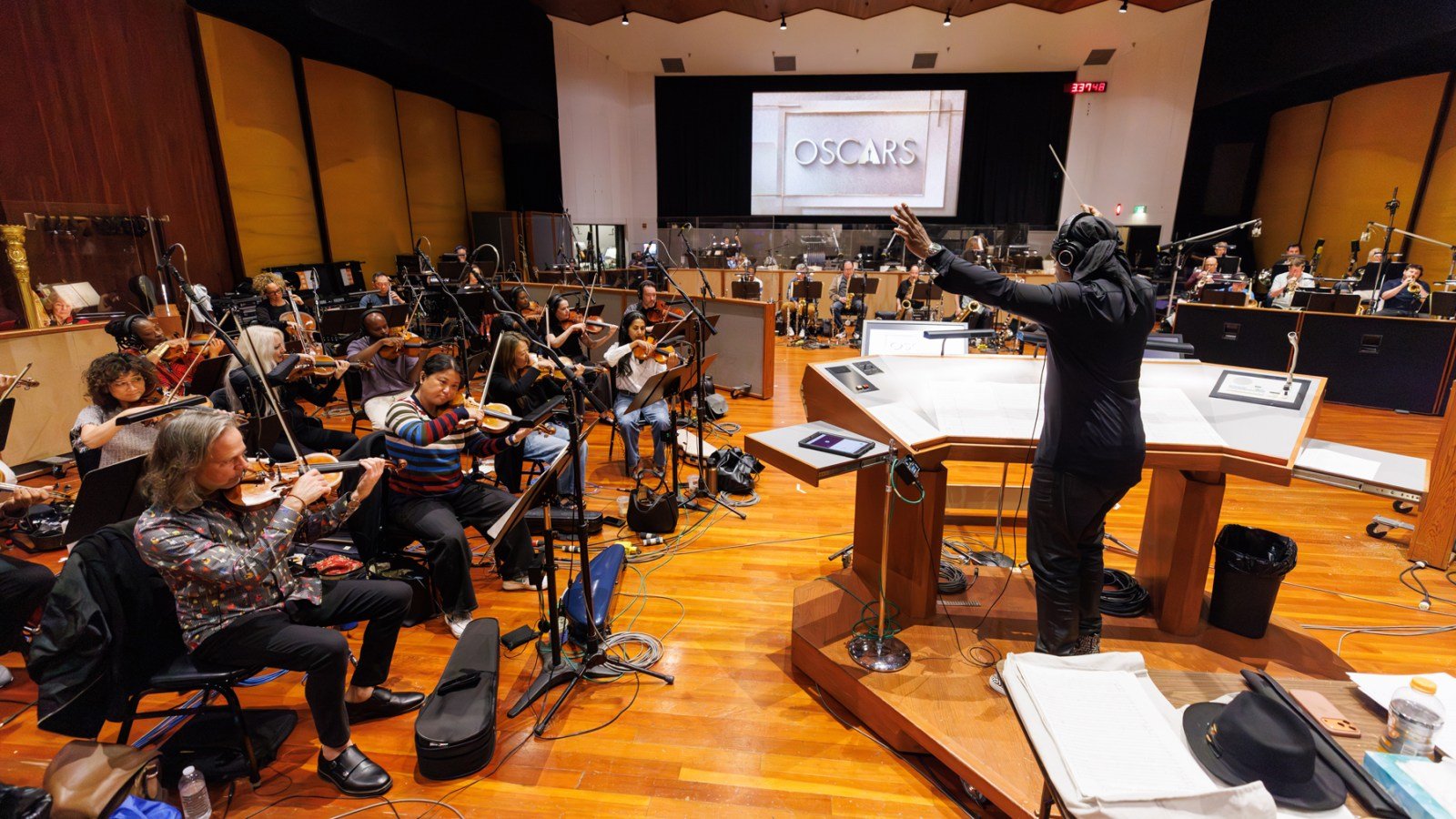
The role of a music director for the Academy Awards is multifaceted and incredibly challenging. It involves much more than simply providing incidental music; it’s about crafting a continuous sonic tapestry that weaves through the entire three-to-four-hour broadcast. Bearden is responsible for everything from the opening fanfare that sets the grand stage, to the transitional cues between presenters, the emotionally charged music accompanying montages and 'In Memoriam' segments, and the triumphant scores that underscore each nominee's journey and eventual win. Each piece of music must be perfectly timed, emotionally appropriate, and seamlessly integrated into the visual flow of the show, demanding an acute sense of timing and an encyclopedic knowledge of musical genres.
The challenge also lies in striking a delicate balance: honoring the traditional grandeur of the Oscars while infusing contemporary relevance. Bearden must select music that appeals to a diverse global audience, often blending classic Hollywood orchestrations with modern sensibilities. This requires a deep understanding of music's psychological impact, ensuring that the tone is always appropriate, whether it's building suspense before an announcement, celebrating a groundbreaking achievement, or providing a moment of poignant reflection. The music director's choices directly influence how viewers perceive and engage with the ceremony, making their role pivotal to the overall success and emotional resonance of the broadcast.
The Philosophy Behind "Moving Souls"
When Michael Bearden speaks of 'moving souls,' he is articulating a profound commitment to the emotional impact of music. For the Oscars, this philosophy translates into an endeavor to use sound not just as a backdrop, but as a direct conduit to the audience's feelings. It’s about leveraging the inherent power of melody and harmony to amplify the narratives of the films being celebrated. Imagine the swelling strings as a director accepts an award for a deeply moving drama, or the triumphant brass accompanying a legendary actor receiving a lifetime achievement honor. These aren't just sounds; they are carefully chosen emotional triggers designed to evoke empathy, joy, sadness, or inspiration.
This approach aims to transcend superficial entertainment, transforming the awards ceremony into a shared emotional experience. By meticulously curating every musical cue, Bearden seeks to forge a deeper connection between the audience and the stories, performances, and artistic achievements being recognized. It's about creating moments where the music elevates the moment beyond mere presentation, making it truly memorable and impactful, reinforcing the idea that art, in all its forms, has the power to touch the human spirit.
Innovations and Expectations for the 2026 Ceremony
With Michael Bearden at the musical helm for 2026, anticipation is high for how he might innovate and evolve the sonic experience of the Oscars. Given his history of working with cutting-edge artists, it's plausible he will integrate contemporary musical styles and potentially explore new technological advancements in live sound production. This could involve innovative use of digital soundscapes, unexpected genre fusions, or dynamic collaborations with guest musicians that extend beyond the traditional orchestral format. The goal will likely be to keep the show feeling fresh and relevant, appealing to a younger demographic while still honoring the event's storied legacy.
Viewers can expect a meticulously curated selection of music that both complements the year's cinematic achievements and stands as a testament to Bearden's artistic vision. This might include nods to iconic film scores, reinterpretations of popular contemporary music, or entirely original compositions tailored to specific segments of the show. His ability to blend familiarity with innovation will be key to creating a musical backdrop that is both comforting and surprising, ensuring that the 2026 Oscars resonate long after the final award has been presented. His discerning ear and creative courage are expected to deliver a show that is sonically adventurous yet timelessly elegant.
The Collaborative Process: Orchestrating a Grand Production
Behind every seamless moment of the Oscars lies an intricate web of collaboration. Michael Bearden's role as music director is deeply integrated with that of the show's producers, directors, and performers. Months of planning go into designing the musical cues, requiring constant communication and iterative adjustments. Bearden works closely with the show's creative team to understand the overall thematic vision, translating it into musical language. He then collaborates with the orchestra, vocalists, and any guest artists to rehearse and perfect every single note, ensuring that each transition, performance, and segment is executed with flawless precision. This level of coordination is critical for a live broadcast where timing is everything and there are no second chances.
The scale of this collaboration is immense, encompassing not just the musicians on stage but also audio engineers, stage managers, and technical crews who work to ensure perfect sound mixing and delivery. Bearden's leadership in this environment is paramount, as he must guide a large artistic team toward a unified sonic goal. His ability to foster a collaborative atmosphere, communicate his vision effectively, and make real-time decisions under pressure is what ultimately allows the musical elements of the Oscars to shine so brightly, complementing the visual spectacle and enhancing the overall narrative of the night.
Beyond the Awards: Music's Enduring Legacy at the Oscars
Music at the Oscars has created countless indelible moments throughout history, from iconic opening numbers to powerful 'In Memoriam' tributes that become conversations in themselves. The choices made by music directors like Michael Bearden contribute directly to this rich legacy. A perfectly placed piece of music can elevate a simple award presentation into a profound artistic statement, etching itself into the collective memory of viewers. Bearden's return for the 2026 ceremony isn't just about managing the sound for a single event; it's about continuing a tradition of musical excellence that defines the Oscars as the pinnacle of cinematic celebration. His work will undoubtedly join the pantheon of memorable Oscar music, influencing how future generations perceive and celebrate film.
The enduring power of the Oscars’ music lies in its ability to encapsulate the spirit of a particular cinematic year, evoke nostalgia, and set the stage for future artistic endeavors. Michael Bearden's meticulous approach to 'moving souls' promises to add another compelling chapter to this illustrious musical history, reinforcing the idea that sound is an indispensable partner in visual storytelling.
As the 2026 Academy Awards draw closer, the anticipation for Michael Bearden's musical direction builds. His return promises a sophisticated, emotionally resonant sonic experience that will undoubtedly elevate Hollywood’s biggest night. To delve deeper into the intricate world of film and entertainment, and to stay updated on all things Oscars, continue exploring the expert analysis and in-depth features available exclusively on NAME OF SITE.
Fonte: https://www.rollingstone.com