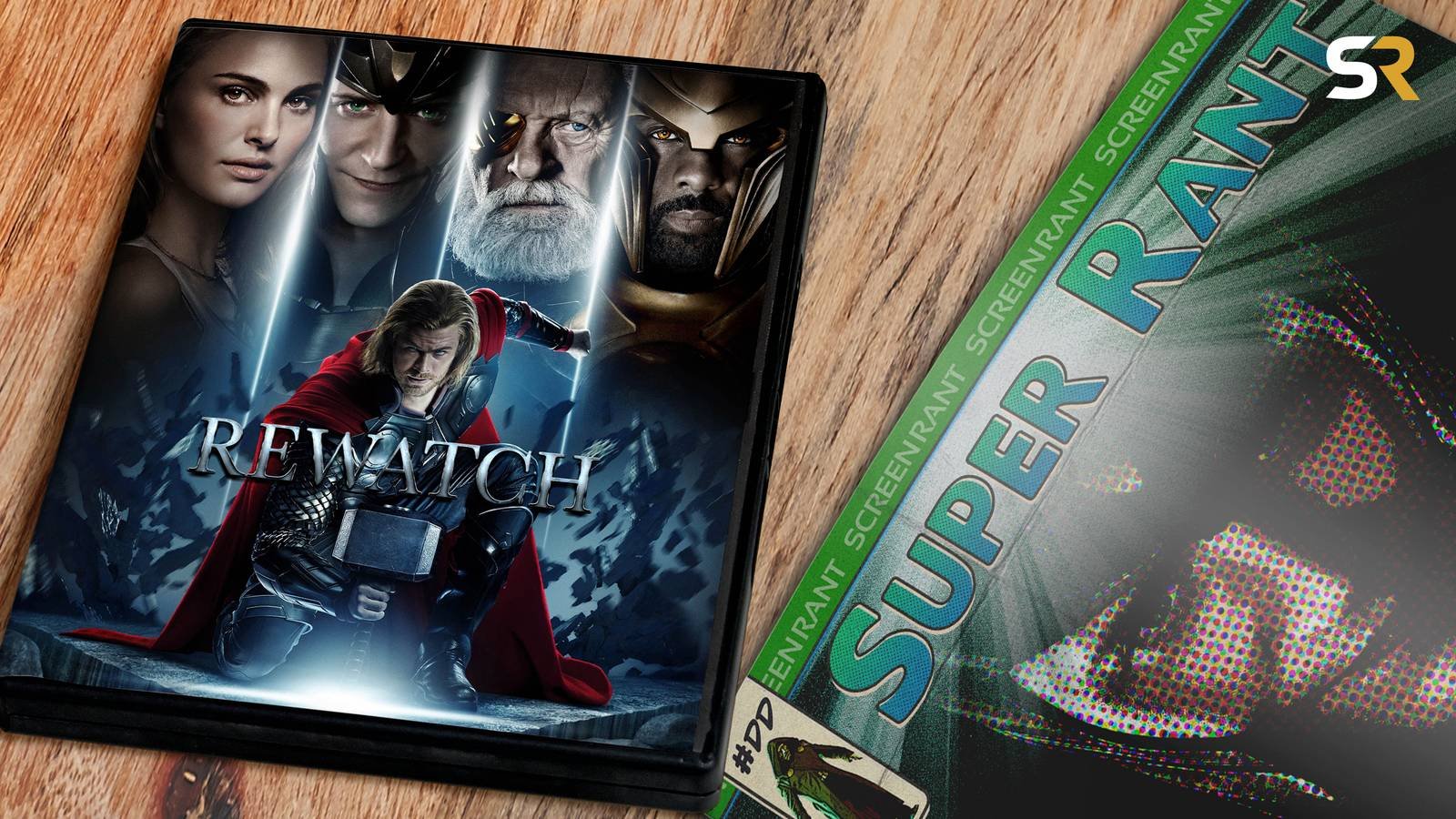
When assessing the foundational films of the Marvel Cinematic Universe (MCU), 2008's *Iron Man* is frequently cited for its pivotal role in establishing the shared world. While undeniably crucial, a recent rewatch of 2011's *Thor*, the fourth installment in the franchise, serves as a powerful reminder of its equally profound and ambitious contribution. This film wasn't merely an introduction to a new hero; it was the MCU's inaugural journey into the cosmic dimensions, significantly expanding the universe beyond Earth and laying critical groundwork for future sagas. It introduced a rich tapestry of Norse mythology, advanced alien civilizations, and, perhaps most notably, one of the franchise's most complex and enduring antagonists.
Expanding the Cosmic Horizon
Prior to *Thor*, the MCU’s narratives were primarily grounded in terrestrial affairs, focused on advanced technology and super-soldier programs. *Thor* dramatically broadened these horizons, unveiling the breathtaking golden city of Asgard and the formidable, icy realm of Jotunheim, among the Nine Realms. This was more than a mere change of scenery; it represented a fundamental shift in the scale and imaginative potential of the shared universe. Director Kenneth Branagh, celebrated for his Shakespearean adaptations, skillfully translated the grandeur and intricate family dynamics of Norse mythology into a visually stunning, technologically advanced, yet magically imbued, alien civilization. The iconic Bifrost Bridge, a shimmering conduit between worlds, instantly became a symbol of the infinite possibilities now open to the MCU's expanding narrative.
The film meticulously established the blend of 'magic and science' that would become central to Asgardian lore, offering a framework for understanding Mjolnir and other cosmic powers through a lens that felt both mythical and plausibly alien. This intricate world-building was essential in providing context for the impending *Avengers* storyline, hinting at a universe far vaster and more intricate than Earth’s mightiest heroes could initially fathom. It effectively prepared audiences for future threats and alliances originating not just from other nations, but from entirely different worlds, permanently altering the narrative landscape.
Loki's Emergence: A Villain for the Ages
While Thor's transformation from an arrogant prince to a humble hero anchors the protagonist's journey, it is the introduction of Loki, brought to life with captivating brilliance by Tom Hiddleston, that truly elevates *Thor* and casts a long, indelible shadow across the entire MCU. Loki transcends the archetype of a one-dimensional antagonist driven by simple malice. He is a character profoundly shaped by a deep-seated sense of abandonment, jealousy, and an insatiable craving for recognition and affection, particularly from his adoptive father, Odin, and his brother, Thor. His discovery of his true parentage as an orphaned Frost Giant provides a sympathetic, albeit twisted, motivation for his complex machinations.
Loki’s multifaceted personality set an unprecedented benchmark for MCU villains. Unlike the more straightforward antagonists presented in earlier films, Loki’s emotional depth and internal conflict rendered him surprisingly relatable, even as his actions were undeniably villainous. His intelligence, charisma, and capacity for both calculated cruelty and poignant vulnerability solidified his status as not only one of the MCU's greatest villains but also one of its most enduring and beloved characters. His narrative arc, commencing with this film, would intricately weave through multiple phases, becoming a critical element in *The Avengers* and beyond, consistently demonstrating the lasting impact of a truly well-developed antagonist.
Thor's Heroic Arc and Supporting Pillars
The film masterfully orchestrates Thor's transformative journey. Stripped of his powers and exiled to Earth, he is compelled to confront his own hubris and cultivate humility. This pivotal character development, essential for his future leadership within the Avengers, is meticulously crafted. His interactions with human characters—the astute astrophysicist Jane Foster (Natalie Portman), the sagacious mentor Dr. Erik Selvig (Stellan Skarsgård), and the witty intern Darcy Lewis (Kat Dennings)—provide crucial grounding and moments of levity. These relationships humanize Thor, making his learning curve more impactful and resonant for the audience.
On Asgard, the supporting ensemble further enriches the narrative. Odin (Anthony Hopkins) embodies the wise yet burdened king whose profound decisions shape destiny. Frigga (Rene Russo) offers a vital maternal balance. Heimdall (Idris Elba), the stoic guardian of the Bifrost, alongside the loyal Warriors Three and Lady Sif, collectively illustrate the depth of Asgardian society and the varied alliances that define its structure, adding intricate layers to the celestial politics and interpersonal dynamics.
Strategic Narrative and Future Foundations
*Thor* was more than a standalone adventure; it served as a critical narrative bridge to the broader MCU, particularly *The Avengers*. The film expertly laid groundwork for future events: the subtle appearance of the Tesseract in Odin's vault hinted at its immense power and future as an Infinity Stone; Nick Fury's post-credits scene with Erik Selvig directly linked Thor to the burgeoning S.H.I.E.L.D. initiative; and, most importantly, it firmly established Loki as a formidable threat capable of orchestrating grand cosmic schemes. These elements were skillfully integrated, ensuring the film functioned both as a complete, satisfying story and a vital chapter in the overarching saga.
The film’s success in balancing its fantastical elements with relatable character drama ensured audience investment not merely in the spectacle, but in the fates of its heroes and villains. It expanded the audience's perception of the MCU's potential, showcasing its capacity for diverse genres and mythologies, from grounded espionage to high fantasy. This narrative flexibility proved indispensable for seamlessly integrating characters like Captain America and, eventually, the Guardians of the Galaxy into the interconnected universe.
The Craft Behind the Cosmic Tale
The selection of Kenneth Branagh as director was an inspired choice, infusing the grand Asgardian drama with a distinct theatrical sensibility. His extensive experience with complex family dynamics and heightened emotional stakes, honed through his Shakespearean work, was perfectly suited to the Odinson saga. This directorial vision ensured that while visual effects were groundbreaking, the emotional core of the story remained firmly rooted in profound character relationships. The inherent challenges of adapting a character like Thor, whose powers and origin could easily verge on the absurd, were expertly navigated, creating a believable and engaging cinematic experience.
The production design, particularly for Asgard, was breathtaking, merging classical architecture with advanced technology to forge a unique aesthetic. The visual effects team rendered the Bifrost, Jotunheim, and the Destroyer with impressive detail, setting a high benchmark for subsequent cosmic ventures within the MCU. This meticulous attention to craft significantly contributed to the film’s ability to fully immerse audiences in a wholly new and fantastical corner of the universe.
Legacy and Enduring Significance
In retrospect, *Thor* (2011) unequivocally stands as a monumental achievement in the early stages of the MCU. It was the film that truly unbarred the doors to the expansive cosmos, long before the concept of the multiverse became explicitly central to later phases. By bravely venturing into the cosmic unknown and successfully integrating Norse mythology with superhero storytelling, it unequivocally demonstrated the vast potential of the shared universe concept. Its introduction of Loki, a villain of unparalleled depth and enduring appeal, solidified its place not just as a foundational pillar, but as a masterpiece of character development within the nascent franchise. It definitively proved that the MCU was not limited by genre or scope, but solely by the boundless imagination of its creators.
For these profound reasons, *Thor* (2011) transcends being merely another superhero movie; it is recognized as a critical turning point that fundamentally shaped the very fabric of the Marvel Cinematic Universe, allowing it to evolve into the expansive, interconnected narrative powerhouse it is today. Its ambitious vision paved the way for every subsequent cosmic adventure, from *Guardians of the Galaxy* to *Avengers: Endgame*, making it an indispensable cornerstone of the MCU's enduring legacy.
Delve deeper into the intricate lore and captivating stories of the Marvel Cinematic Universe. Explore more in-depth analyses, character profiles, and behind-the-scenes insights that illuminate the genius behind these cinematic spectacles. Continue your journey through the realms of fantasy and heroism right here on [NAME OF SITE], where expert commentary awaits to enrich your understanding of your favorite franchises.
Fonte: https://screenrant.com