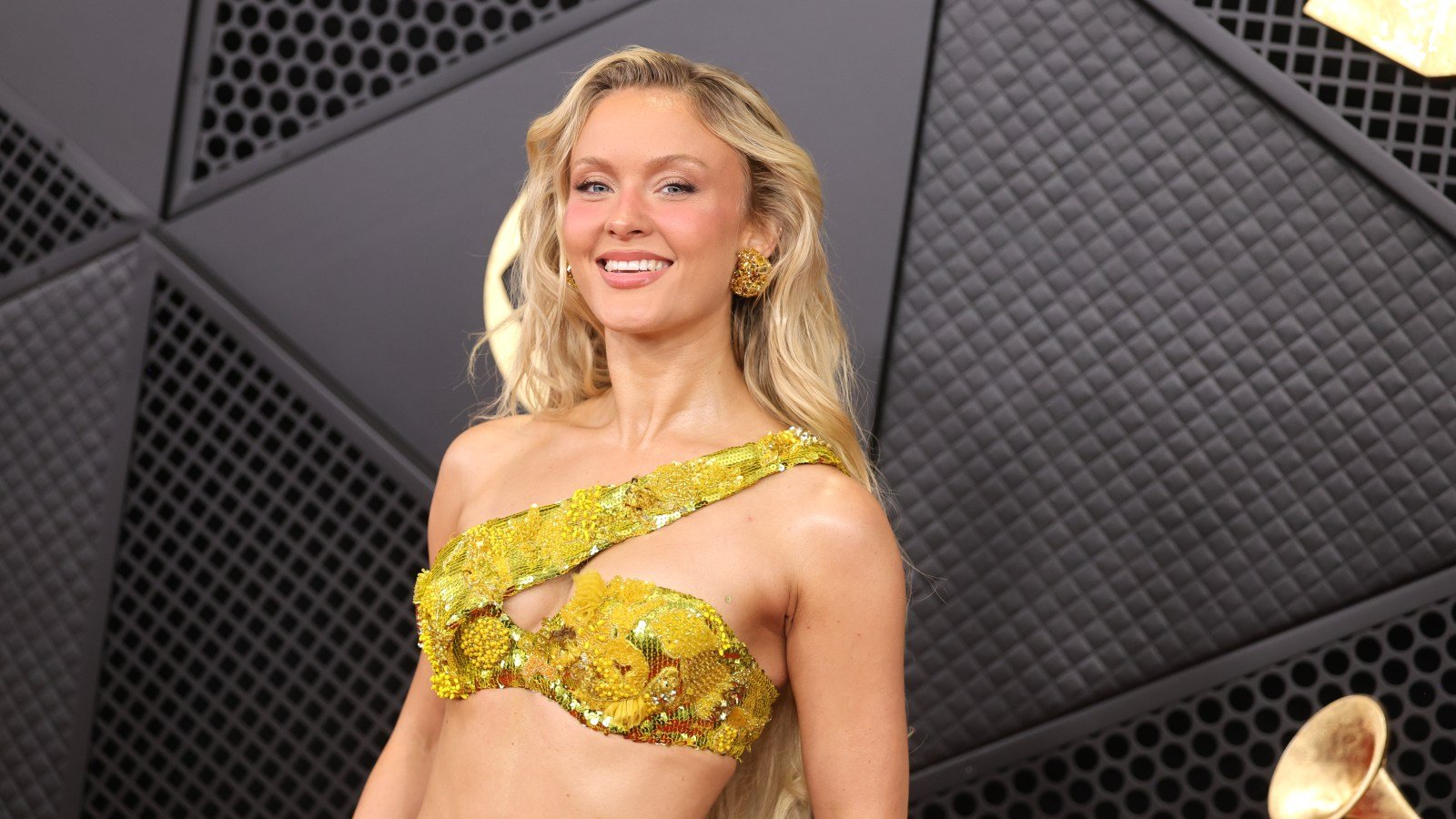
In the fast-paced world of pop music, speculation and fan theories often swirl around artists, particularly regarding potential lineup changes in popular groups. For years, a persistent rumor suggested that Swedish pop sensation Zara Larsson was considered as a replacement for Camila Cabello in the acclaimed girl group Fifth Harmony after Cabello's departure in late 2016. Larsson, a formidable artist known for her powerful vocals and undeniable stage presence, has now unequivocally addressed these long-standing whispers, firmly denying any such overtures and clarifying her artistic priorities. Her recent statement, “I just couldn’t take not singing lead all the time,” offers a candid glimpse into the motivations that drive her solo career, reinforcing her commitment to an independent artistic path.
The clarification arrives years after the initial buzz began, providing definitive closure to a narrative that captivated a segment of the music fan base. Larsson's journey in music has been marked by a consistent trajectory as a solo artist, from her early victory on a Swedish talent show to her global hits like “Lush Life” and “Symphony.” Her explanation highlights a fundamental difference in artistic control and creative expression between performing as a solo act versus being part of a vocal ensemble, a distinction that has shaped many careers in the music industry. This revelation not only puts the Fifth Harmony rumor to rest but also underscores the unique challenges and aspirations inherent in both collaborative and individual musical endeavors.
The Genesis and Persistence of the Fifth Harmony Replacement Rumors
The genesis of the rumors surrounding Zara Larsson and Fifth Harmony can be traced back to a pivotal moment in the group's history: Camila Cabello's unexpected exit in December 2016. Cabello's departure, which was marked by public statements and considerable media attention, left a significant void in the five-member group. Fifth Harmony, formed during the second season of The X Factor USA in 2012, had achieved immense global success with hits like “Worth It” and “Work from Home.” The sudden shift from a quintet to a quartet immediately sparked widespread speculation among fans and industry observers about who, if anyone, might step in to fill the vacancy. It’s a common occurrence in the music world for fans to 'fan-cast' potential replacements when a popular member leaves a group, often drawing from a pool of rising stars who share a similar vocal style or genre.
Zara Larsson, at the time, was rapidly ascending to international stardom. Her powerful voice, pop sensibility, and a string of successful singles positioned her as a prominent figure in the contemporary pop landscape. For many, she seemed like a plausible, albeit speculative, candidate to join Fifth Harmony, given her age, genre, and vocal prowess. However, these suggestions were always rooted in fan theories and online discussions rather than any official reports or confirmed industry movements. The rumors persisted for several years, fueled by the cyclical nature of online content and the enduring fascination with celebrity narratives. Despite their longevity, Larsson had never directly addressed them with such clarity until now, providing a definitive end to this particular chapter of pop music lore.
Zara Larsson's Unwavering Commitment to Solo Artistry
Zara Larsson's career has been meticulously crafted as a solo endeavor since her early beginnings. Winning Sweden’s Got Talent (Talang) at the age of ten showcased her individual talent and set her on a path focused on singular artistic expression. Her subsequent breakout hits, including “Lush Life,” “Never Forget You” (with MNEK), and “Symphony” (with Clean Bandit), cemented her status as a formidable solo artist capable of commanding global stages. Her music consistently features her distinct vocal delivery and personal storytelling, attributes that are often more difficult to fully realize within the framework of a group where creative input and spotlight are shared.
Her direct quote, “I just couldn’t take not singing lead all the time,” serves as a profound explanation for her career choices. This statement is not merely a preference but speaks to a core artistic need: the desire for primary vocal spotlight and, by extension, significant creative control. In a group setting, even if one member is frequently the lead vocalist, the role often involves harmonies, ad-libs, and sharing choruses, which deviates from the constant lead required for a solo artist. For a performer like Larsson, whose identity is deeply intertwined with her vocal prowess and individual expression, relinquishing that continuous lead would mean compromising a fundamental aspect of her artistry. This highlights the inherent tension between the collaborative spirit of a group and the often singular vision of a solo act, a dynamic that has driven many artists to forge their own paths.
The Dynamics of Group vs. Solo Careers in Pop
The music industry is replete with examples illustrating the unique challenges and rewards of both group and solo careers. While groups offer a powerful collective identity, shared responsibilities, and often a built-in support system, they can also present significant hurdles regarding individual artistic expression and control. The need to find consensus on musical direction, image, and even vocal distribution can be a complex balancing act. Many iconic groups, from Destiny's Child to One Direction, have seen members eventually pursue solo careers, often citing a desire for greater creative freedom or the opportunity to explore a different artistic identity that might not align with the group's overall brand. The ambition to be the primary voice, to have one's artistic vision uncompromised, is a powerful motivator for many solo artists. Zara Larsson's statement resonates deeply within this context, underlining a personal and professional choice that prioritizes an unadulterated solo journey over the dynamics of a shared spotlight.
Fifth Harmony's Post-Camila Era and Eventual Hiatus
Following Camila Cabello's departure, Fifth Harmony continued as a quartet with members Ally Brooke, Normani Kordei, Dinah Jane, and Lauren Jauregui. The group released their self-titled third studio album in 2017, showcasing their efforts to adapt to the new dynamic and prove their resilience. While the album performed moderately well, it marked a shift in their sound and public perception. The remaining members continued to perform and tour, demonstrating their commitment to the group's legacy. However, the fundamental change in lineup, coupled with the individual aspirations of each member, ultimately led to the group announcing an indefinite hiatus in March 2018. This decision allowed each artist to pursue individual projects and creative endeavors, effectively confirming that the group's trajectory had reached a natural conclusion without the addition of new members like Zara Larsson. The period following Cabello's exit was a testament to the remaining members' dedication but also highlighted the challenges of sustaining a group dynamic once a key component departs.
Navigating Speculation in the Digital Age
In the contemporary music landscape, fueled by social media and an insatiable appetite for celebrity news, speculation and rumors are an inherent part of an artist's public life. Fan communities, often vibrant and deeply engaged, frequently generate and perpetuate narratives, whether based on facts, hunches, or pure fantasy. The internet acts as a powerful amplifier, giving longevity to even the most unfounded stories. For artists, navigating this constant stream of information and misinformation can be challenging. Some choose to ignore rumors, hoping they will dissipate naturally, while others opt to address them directly, aiming to control their own narrative and provide clarity to their fan base. Zara Larsson's recent statement falls into the latter category, a strategic move to definitively close the door on a persistent rumor that has shadowed her career for years. Her decision to speak out underscores the importance of artists asserting their truths and setting boundaries in an era where public perception can be heavily influenced by unverified chatter.
Zara Larsson's unequivocal denial of being asked to join Fifth Harmony and her subsequent explanation about her artistic preference offers a clear and definitive end to years of speculation. Her statement not only clarifies her past but also powerfully reiterates her unwavering commitment to her solo career and the creative autonomy it affords her. As she continues to evolve as an artist, her focus remains firmly on her individual voice, solidifying her place as one of pop music’s most compelling solo acts. To stay updated on the latest in music news, exclusive artist interviews, and in-depth analyses, keep browsing NAME OF SITE for more insightful content.
Fonte: https://www.rollingstone.com