Desde sua estreia em 2017, a adaptação televisiva de "The Handmaid's Tale" pela Hulu tem cativado e dividido audiências em todo o mundo. Baseada no seminal romance distópico de Margaret Atwood, a série não apenas trouxe o mundo sombrio de Gilead para a tela, mas, para muitos críticos e espectadores, conseguiu expandir e aprofundar sua narrativa de maneiras que, surpreendentemente, superam o material original. Com uma classificação de 83% no Rotten Tomatoes, a produção gerou um intenso debate sobre sua representação intransigente de religião, política e a opressão feminina, provocando discussões que transcendem o entretenimento e tocam em questões sociais e políticas contemporâneas.
The Enduring Legacy of Margaret Atwood's Vision
Margaret Atwood's 1985 novel, "The Handmaid's Tale," is widely regarded as a modern literary classic and a cornerstone of dystopian fiction. Set in the totalitarian theocratic state of Gilead, a future America grappling with widespread infertility, the book introduces readers to Offred, a Handmaid whose sole purpose is to bear children for the ruling Commanders. Atwood's stark prose, chilling prescience, and deep exploration of themes like reproductive rights, state control over women's bodies, and the erosion of personal freedoms quickly resonated with readers worldwide. Its publication sparked crucial conversations about feminism, religious extremism, and the fragility of democracy, cementing its place as an iconic, cautionary tale that continues to be relevant decades later.
The novel's power lies in its intimate, first-person perspective, immersing the reader solely in Offred's experiences and internal monologue. This narrative choice brilliantly conveys her psychological torment and the oppressive atmosphere of Gilead through her limited worldview. Atwood masterfully uses symbolism and allegory to critique societal trends and political dangers, crafting a narrative that, while confined to Offred's immediate reality, hints at a much broader, terrifying system. The book's ambiguous ending further propelled its status as a thought-provoking work, leaving readers to ponder Offred's ultimate fate and the lasting implications of Gilead's rise and fall.
From Page to Screen: Expanding Gilead's Grim Reality
Adapting a beloved and critically acclaimed novel like "The Handmaid's Tale" presents unique challenges and opportunities. While some adaptations struggle to capture the essence of their source material, the Hulu series, executive produced by Atwood herself, embarked on a bold mission not just to translate the book but to significantly expand upon its universe. This expansion was crucial for sustaining a multi-season narrative, moving beyond the novel's singular perspective and its famously open-ended conclusion. The series leveraged the visual medium to deepen the immersion in Gilead's disturbing culture, making its rituals, punishments, and power structures terrifyingly palpable.
The television adaptation quickly surpassed the chronological boundaries of Atwood's original novel, venturing into unexplored territories of Gilead's society and offering new narrative arcs for established and newly introduced characters. This creative freedom allowed the showrunners to delve into the lives of other Handmaids, Marthas, Aunts, and even the Commanders and their Wives, providing a more comprehensive and nuanced understanding of the totalitarian regime. By showing rather than just telling, the series brought a visceral intensity to the oppression, resistance, and the subtle acts of defiance that define life in Gilead, enriching the original story with layers of complexity that a single novel could not fully contain.
Deepening Character Arcs and World-Building
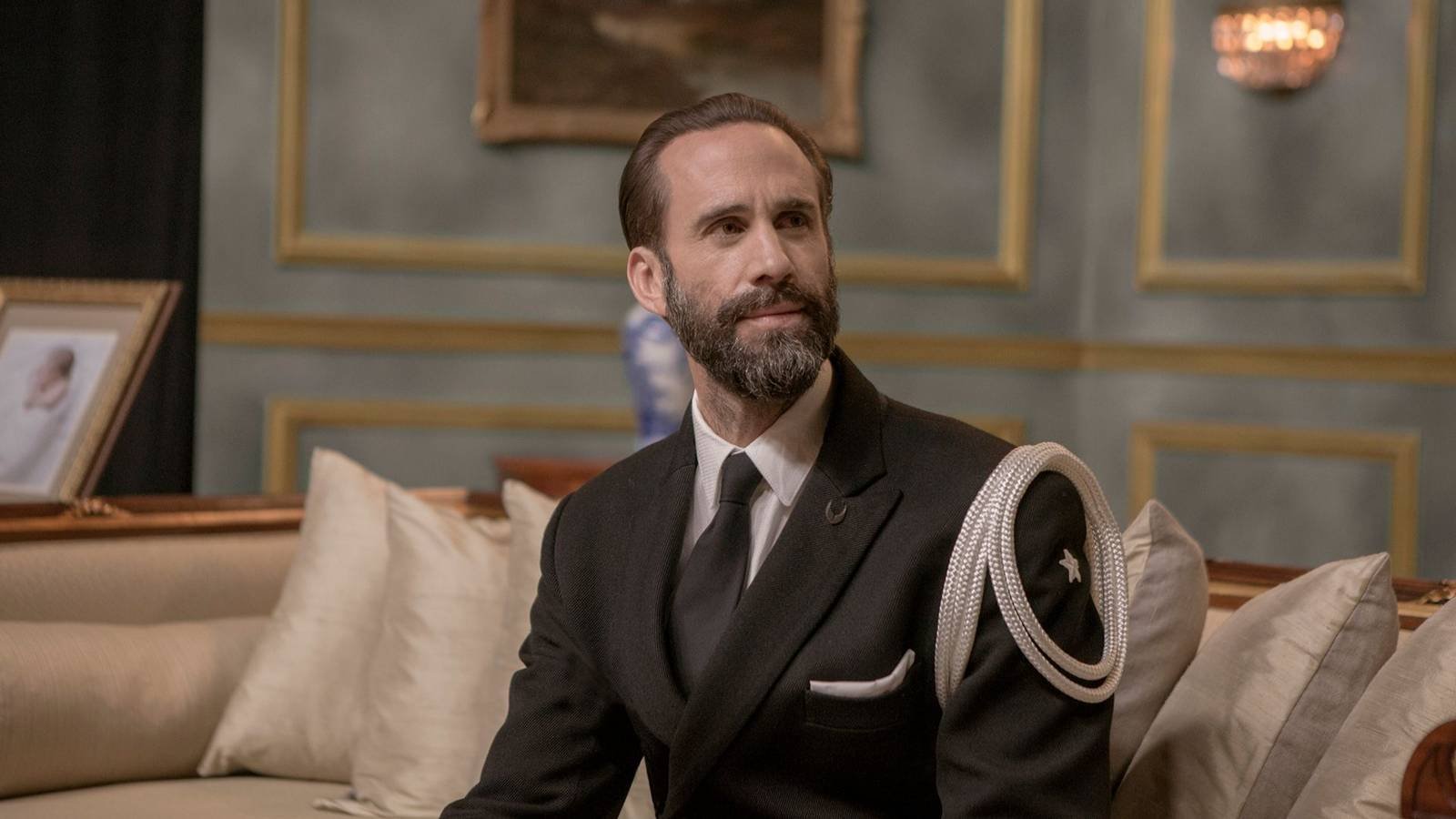
One of the most compelling aspects of the series' expansion is its development of secondary characters who were either briefly mentioned or not present in the book. Characters like Emily (Ofglen), Janine (Ofwarren), Moira, and even the enigmatic Aunt Lydia are given extensive backstories and independent narrative journeys, allowing viewers to witness their personal struggles, their acts of rebellion, and their enduring resilience. This broader character focus provides diverse perspectives on Gilead's impact, illustrating the varied forms of subjugation and resistance within the regime. Furthermore, the series explores the motivations and inner conflicts of characters like Commander Fred Waterford and Serena Joy, transforming them from symbolic antagonists into complex individuals grappling with the consequences of the system they helped create, thus adding significant depth to the overarching narrative.
The Power of Visual Storytelling and Immersive Detail
The visual artistry of "The Handmaid's Tale" series is undeniably a major factor in its impact. The iconic red Handmaid's robes and white bonnets, the muted colors of the oppressive environment, and the chillingly sterile interiors of Gilead's homes are brought to life with meticulous detail, creating an aesthetic that is both beautiful and terrifying. The cinematography often utilizes close-ups on Elisabeth Moss's expressive face, conveying Offred/June's internal turmoil and silent defiance without relying solely on narration. This visual language amplifies the emotional weight of the story, making the atrocities and the moments of hope incredibly visceral and immediate for the audience, something that print alone, no matter how powerful, cannot fully replicate.
Navigating Controversy: The Series' Divisive Impact
While lauded by critics and accumulating numerous awards, "The Handmaid's Tale" series has certainly garnered its fair share of criticism, often described as 'divisive.' A primary point of contention revolves around its unflinching depiction of religious fundamentalism and authoritarian politics. For some viewers, the show's portrayal of a society built on a distorted interpretation of religious texts, coupled with extreme patriarchal control, felt like an 'unfair look at the world,' generating heated debate. Critics of this perspective often argued that the series exaggerated or misrepresented religious motivations, leading to a polarizing reception among different demographics.
However, this very divisiveness can also be seen as a testament to the show's power and relevance. The series emerged at a time of heightened political and social tension, particularly concerning women's rights and reproductive freedom, making its themes resonate profoundly with current events. Its exploration of insidious power structures, the normalization of cruelty, and the struggle for bodily autonomy struck a nerve, prompting a necessary, albeit uncomfortable, self-reflection on societal trajectories. The discussions it ignited, while sometimes heated, underscored its role as a significant piece of social commentary, pushing audiences to confront difficult realities and potential futures.
The 83% Rotten Tomatoes score reflects a strong consensus among professional critics, indicating that despite its controversial elements, the series is largely recognized for its exceptional quality, compelling performances, and timely storytelling. High critical scores for shows that tackle challenging, provocative themes are not uncommon; in fact, their ability to provoke strong reactions often correlates with their perceived artistic merit and cultural impact. The show's success in stimulating robust public discourse, even among those who found its content challenging, highlights its effectiveness in fulfilling its role as a profound and thought-provoking piece of media.
Beyond the Book's Constraints: Narrative Freedom and Relevance
The decision to extend the narrative beyond the confines of Atwood's original novel allowed "The Handmaid's Tale" series unparalleled narrative freedom. This enabled the show to explore the dynamics of resistance movements both within Gilead and in the outside world, offering glimmers of hope and broader strategic struggles against the regime that were only hinted at in the book. By continuing June Osborne's (Offred's) journey, the series delved deeper into the psychological toll of trauma, the complexities of survival, and the unwavering human drive for freedom and justice, transforming her into an active agent of change rather than solely a victim.
This ongoing exploration has solidified the series' cultural impact, transcending mere entertainment to become a powerful symbol in real-world activism. The Handmaids' red cloaks and white bonnets have been adopted by protesters globally to advocate for women's reproductive rights and oppose legislative actions perceived as regressive. The show's continued relevance in contemporary dialogues surrounding autonomy, political control, and the fight against oppression underscores its enduring power. By expanding the narrative, the series has not only enriched the dystopian universe first imagined by Atwood but also reinforced its status as a vital commentary on human rights and societal vigilance.
While Margaret Atwood's "The Handmaid's Tale" remains a literary masterpiece that laid the essential groundwork, the Hulu series has arguably transcended its source material through its expansive storytelling, profound character development, and potent visual narrative. By delving deeper into the world of Gilead and its inhabitants, the adaptation has not only captivated millions but also sparked crucial conversations about our own world. Its willingness to confront uncomfortable truths, even if divisive, solidifies its position as a monumental achievement in television. To explore more in-depth analyses of thought-provoking adaptations and their literary counterparts, continue browsing NAME OF SITE for our comprehensive coverage of culture and current affairs.
Fonte: https://screenrant.com