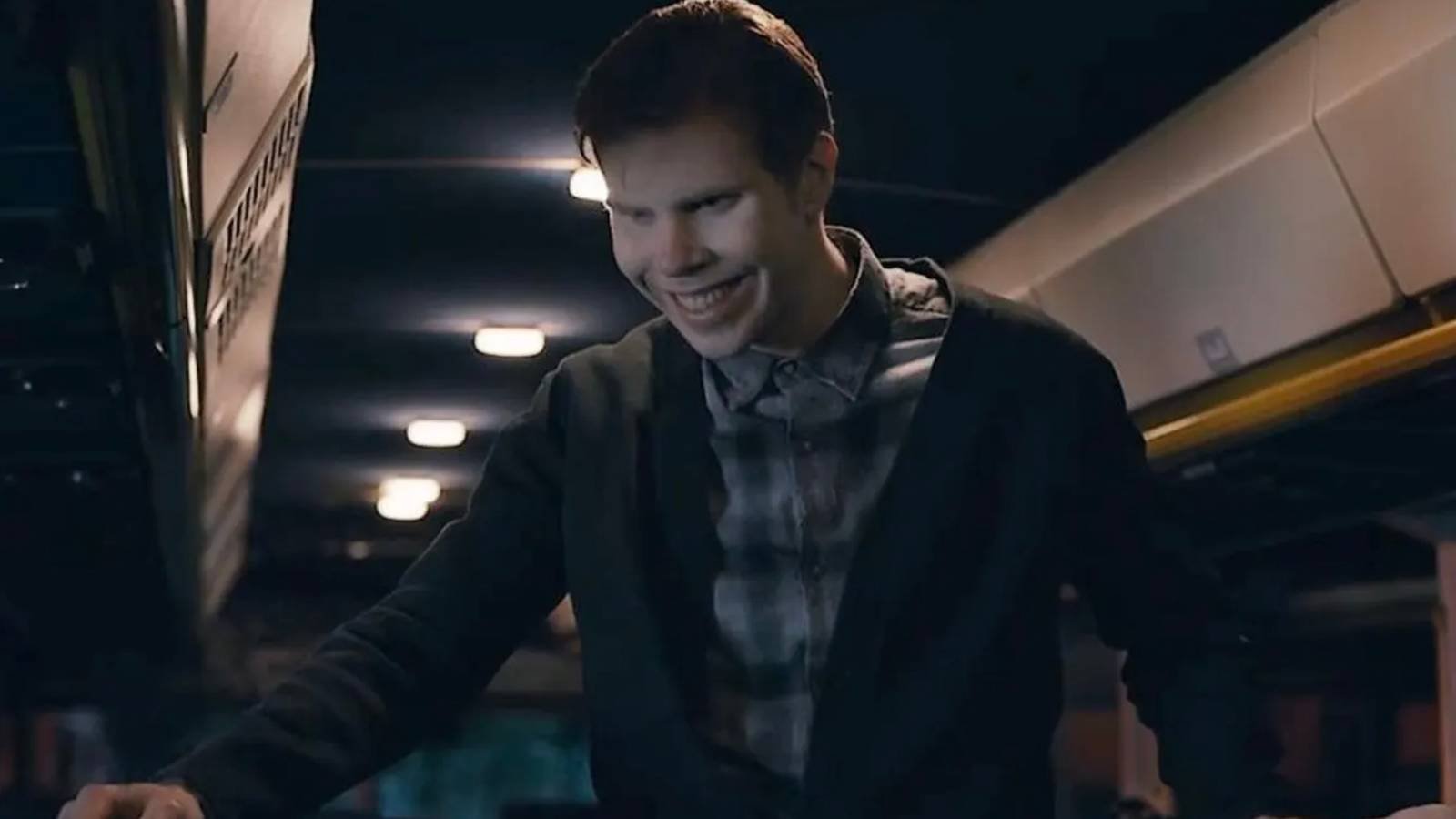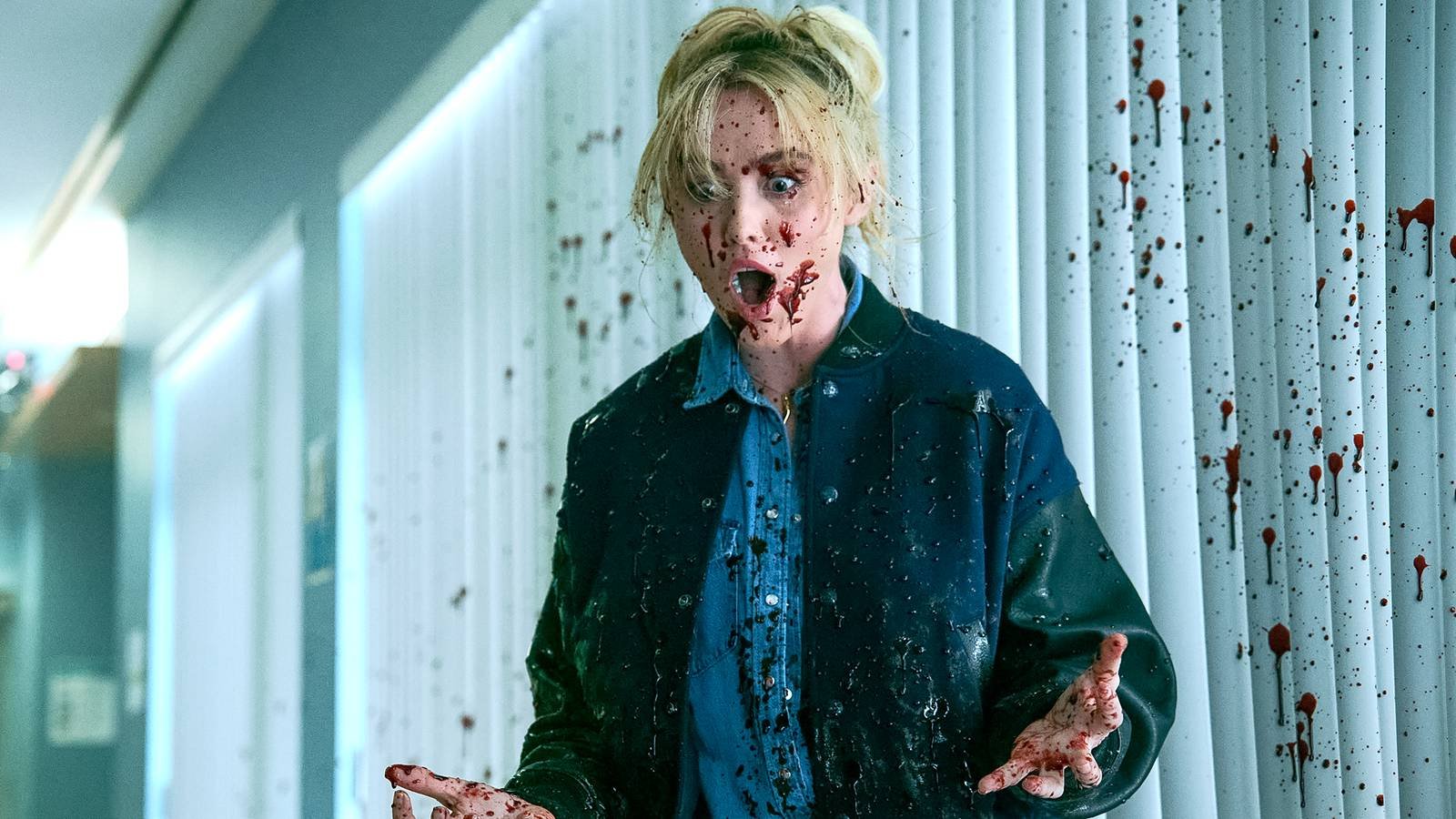

The prospect of a third season for Peacock’s live-action comedy series “Ted” currently remains off the table, according to creator Seth MacFarlane. In a recent statement to TheWrap, MacFarlane attributed the indefinite hiatus to the prohibitive financial demands of the show’s production. The series, a prequel to the popular film franchise, relies heavily on sophisticated computer-generated imagery (CGI) to bring its titular foul-mouthed teddy bear to life, a process MacFarlane likened to producing an “Avengers” movie every 22 minutes. This candid admission sheds light on the significant economic pressures facing even well-received streaming content, particularly those with high technical requirements.
The Financial Hurdles of CGI-Intensive Productions in Television
MacFarlane's comparison of animating a character like Ted to the visual effects workload of a blockbuster film franchise like Marvel's "Avengers" is not merely hyperbole; it underscores a critical challenge in modern television production. Creating a photorealistic, sentient teddy bear that interacts seamlessly with live-action actors and environments demands substantial investment in specialized talent, advanced software, and powerful hardware. Each scene involving Ted requires meticulous planning, detailed 3D modeling, rigging, texturing, animation, and ultimately, complex rendering processes that consume immense computational resources. Unlike feature films, which have extended production schedules and budgets often exceeding hundreds of millions of dollars spread over a single, two-hour narrative, television series like "Ted" must produce multiple episodes—each essentially a mini-movie in terms of VFX—under tighter deadlines and typically smaller per-minute budgets. This compression of high-fidelity CGI creation into a rapid, episodic release schedule escalates costs dramatically, making it difficult for studios and streamers to justify the expense against projected returns.
The costs associated with high-end CGI are multifaceted. They encompass the salaries of highly skilled visual effects artists—animators, compositors, lighting specialists, texture artists—who are in high demand across the entertainment industry. Furthermore, licensing fees for cutting-edge software, investment in render farms (networks of computers dedicated to processing complex imagery), and the sheer amount of time required for multiple iterations and approvals all contribute to the ballooning budget. Even minor adjustments can necessitate extensive re-rendering, prolonging post-production and adding to labor costs. For a character like Ted, whose facial expressions, body language, and physical interactions are central to his comedic appeal, every nuance must be perfectly executed, demanding a level of detail usually reserved for major cinematic releases.
The 'Ted' Series: A Prequel's Journey and Reception
The "Ted" television series serves as a prequel to the immensely successful 2012 film of the same name and its 2015 sequel. Set in 1993, the show explores the early years of John Bennett, portrayed by Max Burkholder, as a teenager living with his sentient teddy bear, Ted (voiced by Seth MacFarlane). The premise expands upon the films' origin story, delving into the mundane yet humorous challenges of adolescence when one's best friend is a talking, often inappropriate, stuffed animal. Premiering on Peacock, Universal's streaming service, the series aimed to capitalize on the established fanbase of the movies while offering a fresh narrative perspective. Critics and audiences largely embraced the show's signature humor, MacFarlane's distinctive voice work, and the nostalgic 90s setting, with many praising its ability to replicate the charm and crude wit of the original films. This positive reception, however, clearly did not insulate it from the formidable financial realities of its production model.
The Broader Landscape of Streaming Economics and Content Valuation
The situation surrounding "Ted" Season 3 is indicative of a wider trend in the streaming industry. Platforms like Peacock, and indeed all major streamers, are undergoing a significant shift in their content strategies. The initial phase of aggressive spending to acquire subscribers has given way to a more conservative approach focused on profitability, subscriber retention, and return on investment (ROI). Shows with high production costs, even if critically acclaimed or popular, face intense scrutiny regarding their value proposition. Streamers now meticulously evaluate whether a show's expense translates into a substantial increase in new subscriptions or a significant reduction in churn, justifying the investment over other, potentially less costly, content options.
This re-evaluation has led to the cancellation or non-renewal of numerous expensive series across various platforms, even those with dedicated fan bases. The current economic climate in Hollywood, marked by industry-wide budget tightening and recent labor disputes, further exacerbates these pressures. While CGI has become an indispensable tool for visual storytelling, its cost-effectiveness in episodic television is constantly being weighed against its impact. Studios are increasingly exploring innovative production techniques, such as virtual production, in-camera visual effects, and advanced AI tools, to potentially lower costs without compromising quality, though these technologies are still evolving and require significant upfront investment.
Implications for Future High-Concept Television
The challenges faced by "Ted" raise important questions about the future of high-concept, visually demanding television series. As audiences increasingly expect cinematic quality from their streaming content, the gap between ambition and budgetary reality continues to widen. Creators and networks must either find more efficient ways to produce elaborate visual effects, or viewers may see a pivot towards more dialogue-driven, less CGI-reliant narratives in the episodic format. The industry will likely continue to innovate in areas like real-time rendering and virtual sets to make complex visual effects more accessible and affordable for television, but until these advancements become mainstream and significantly reduce costs, shows requiring an "Avengers" level of CGI every episode will remain a rare and high-stakes endeavor.
Seth MacFarlane's Creative Vision and Industry Influence
Seth MacFarlane has established himself as a prominent and often boundary-pushing figure in television and film, known for his distinctive brand of adult humor and his ambitious storytelling. From the long-running animated successes of "Family Guy" and "American Dad!" to the live-action sci-fi dramedy "The Orville," MacFarlane has consistently demonstrated a willingness to invest in sophisticated production values to achieve his creative vision. "The Orville," for instance, garnered critical acclaim for its cinematic quality and impressive visual effects, which rivaled those of major studio films. However, even that series faced its own set of production challenges, eventually moving from Fox to Hulu in part due to its extensive post-production requirements and the financial model best suited for such an undertaking.
The explicit acknowledgment of production costs as the primary barrier for "Ted" Season 3 highlights that even a creator with MacFarlane's stature and track record is not immune to the financial realities of the entertainment industry. It underscores the critical juncture at which streaming platforms find themselves, balancing creative ambition with sustainable business practices. For MacFarlane, whose projects often push technical boundaries to deliver unique comedic or dramatic experiences, this situation represents a stark reminder of the evolving landscape where even innovative and popular content can be sidelined by its price tag, potentially influencing future decisions about the scale and scope of new projects across the industry.
The news regarding "Ted" Season 3 serves as a clear indicator of the intensifying scrutiny on content production costs within the streaming ecosystem. While the immediate future for more adventures with Ted and John remains uncertain due to economic considerations, the industry continues to seek equilibrium between artistic ambition and financial viability. This ongoing dialogue will undoubtedly shape the kinds of stories brought to our screens in the years to come. For more in-depth analysis on the entertainment industry, streaming trends, and the economics of visual effects, continue exploring the comprehensive articles and insights available here on NAME OF SITE.
Fonte: https://variety.com