In the vast and ever-expanding landscape of streaming content, certain series manage to transcend mere entertainment, carving out a permanent place in the cultural consciousness. Netflix's 'The Haunting of Hill House' is unequivocally one such masterpiece. Launched in 2018, this 10-episode limited series quickly garnered widespread critical acclaim and a dedicated fanbase, fundamentally reshaping expectations for the horror genre on television. While many series aim for longevity, 'The Haunting of Hill House' powerfully demonstrated that sometimes, perfection is found not in endless seasons, but in a meticulously crafted, self-contained narrative that knows precisely when to conclude.
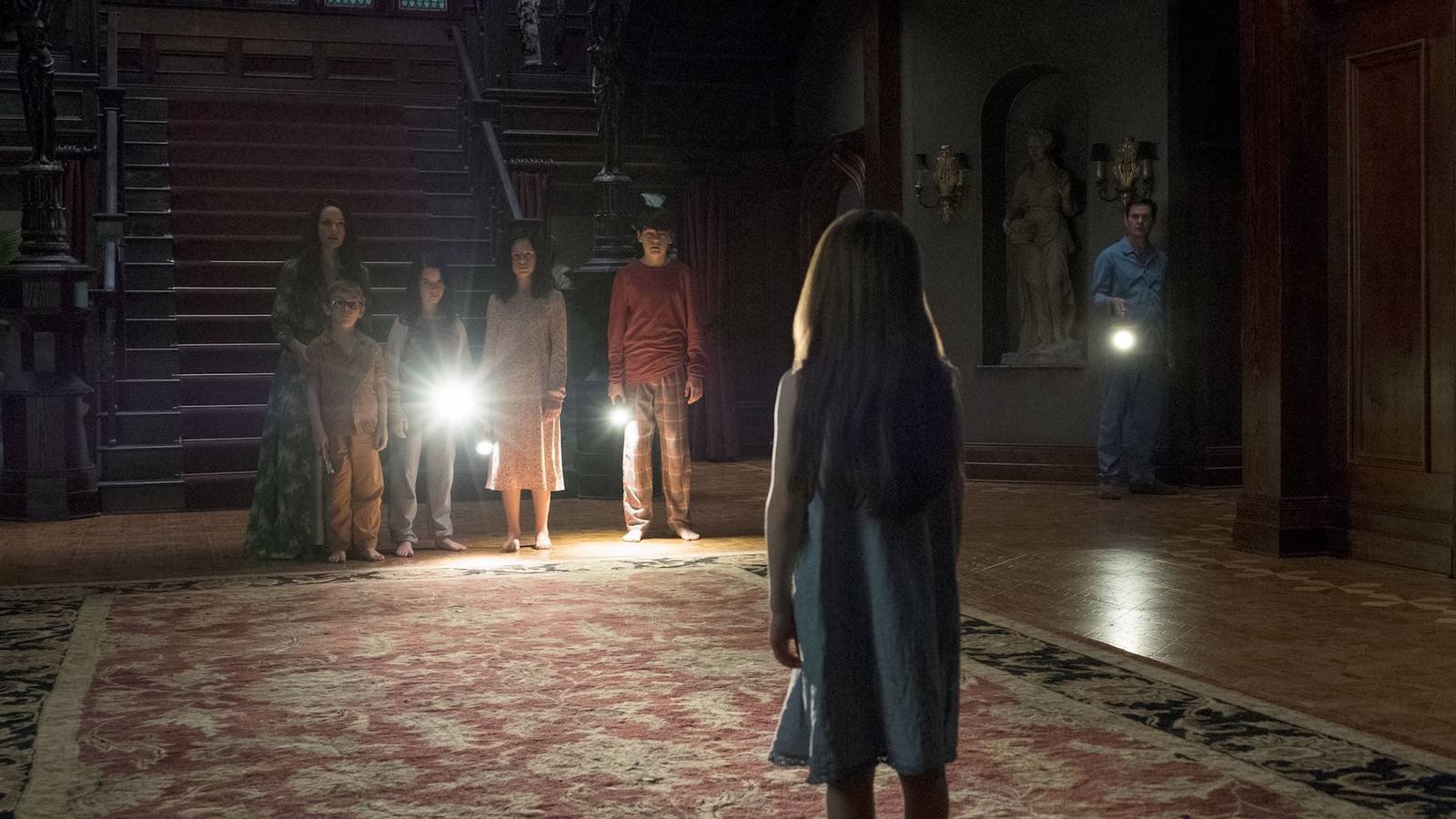
The series, a loose adaptation of Shirley Jackson's seminal 1959 novel, masterfully wove together supernatural scares with profound psychological drama. It explored the fractured lives of the Crain family, haunted both by the literal specters of their childhood home and the indelible trauma of their past. This intricate blend of familial dysfunction, grief, and genuine dread elevated 'Hill House' beyond conventional horror, proving that the genre could offer both chilling scares and deep emotional resonance within a tightly controlled narrative arc. Its singular season provided a complete and utterly satisfying journey, leaving no loose ends or unanswered questions, a rarity in an industry often driven by the pursuit of multi-season franchises.
The Unmatched Impact of Brevity in Horror Storytelling
The success of 'The Haunting of Hill House' offers a compelling argument for the finite nature of horror narratives, particularly in episodic television. Unlike genres such as crime procedurals or character-driven dramas that can sustain numerous seasons through evolving subplots and new cases, horror often thrives on mystery, escalating tension, and the carefully controlled revelation of its central threat. Prolonging a horror story beyond its natural conclusion frequently leads to diminished returns; the unknown becomes known, the terrifying becomes familiar, and the initial shock value dissipates. The power of horror lies in its ability to disturb, to create a sense of unease, and to explore the limits of human endurance in the face of the inexplicable.
When a horror series is forced to extend its run, writers often resort to introducing new villains, convoluted plot twists, or repeating established fright mechanisms, thereby diluting the original premise and weakening the overall impact. 'Hill House' sidestepped these pitfalls entirely. Its 10 episodes were meticulously planned, each serving a specific purpose in building characters, revealing backstory, and escalating the supernatural terror. The narrative pacing was deliberate, allowing viewers to become deeply invested in the Crain family's plight before delivering its emotionally devastating and thematically rich conclusion. This focused approach allowed the series to maximize its potential without overstaying its welcome, solidifying its status as a benchmark for quality.
Mike Flanagan's Signature Blend: Trauma, Grief, and the Supernatural
At the helm of 'The Haunting of Hill House' was director and writer Mike Flanagan, a name synonymous with intelligent, character-driven horror. Flanagan possesses a unique talent for blending genuine scares with profound explorations of human psychology, often centering his narratives on themes of grief, trauma, and the complex dynamics of family. His approach ensures that the supernatural elements serve to externalize internal struggles, making the horror deeply personal and resonant. In 'Hill House,' the ghosts were not merely jump-scare fodder; they were manifestations of the Crain family's collective pain and unresolved issues, embodying the lingering impact of a childhood spent in a house that actively devoured souls.
Flanagan's adeptness at crafting intricate narratives that prioritize emotional depth alongside horror is evident throughout his body of work. Beyond 'Hill House,' his collaborations with Netflix have yielded several other critically acclaimed projects. 'Midnight Mass,' for instance, delved into themes of faith, addiction, and fanaticism through the lens of a secluded island community facing a supernatural phenomenon. Similarly, 'The Fall of the House of Usher,' a modern reinterpretation of Edgar Allan Poe's works, explored corporate greed, dynastic curses, and the decay of morality. While both 'Midnight Mass' and 'The Fall of the House of Usher' are lauded for their ambitious storytelling and thematic complexity, many viewers and critics consistently point to 'The Haunting of Hill House' as Flanagan's definitive Netflix masterpiece. Its perfect balance of character, plot, and atmospheric horror, culminating in a deeply satisfying ending, remains unparalleled.
The Anthology Advantage: 'The Haunting of Bly Manor'
Following the monumental success of 'Hill House,' Flanagan continued the 'Haunting' anthology with 'The Haunting of Bly Manor' in 2020, another limited series. While 'Bly Manor' offered a distinctly different ghost story, rooted in Henry James's 'The Turn of the Screw,' it maintained the high standard of emotional depth and atmospheric dread established by its predecessor. The anthology format proved instrumental in allowing Flanagan and his team to tell self-contained stories without the pressure of extending a single narrative beyond its organic lifespan. This model allowed for fresh casts, new themes, and distinct horror subgenres, preventing creative stagnation and maintaining the high quality viewers had come to expect. It underscored the idea that powerful horror often comes in focused, complete packages.
Lessons for the Future of Horror Television
The legacy of 'The Haunting of Hill House' extends beyond its individual artistic merits. It serves as a powerful testament to the effectiveness of a well-executed limited series within the horror genre. In an era where streaming platforms are constantly vying for subscriber attention with an abundance of content, quality and narrative integrity should ideally take precedence over the sheer volume of episodes or seasons. Creators and executives would do well to study the meticulous construction and definitive conclusion of 'Hill House,' recognizing that a complete story, perfectly told, can leave a far more lasting impression than a prolonged narrative struggling to maintain its initial spark. The series demonstrated that sometimes, the most terrifying realities are those that are faced, understood, and ultimately, resolved, allowing the horror to linger in memory rather than dissipate through repetition.
By embracing the limited series format, creators are empowered to craft narratives with clear beginnings, middles, and ends, maximizing their emotional and psychological impact. This approach respects both the story being told and the audience's investment, culminating in an experience that is both chilling and profoundly satisfying. 'The Haunting of Hill House' didn't just deliver scares; it delivered a complete, resonant human drama wrapped in a terrifying package, setting a benchmark that few series, horror or otherwise, have managed to surpass.
The enduring appeal of 'The Haunting of Hill House' solidifies its status as a modern classic and a critical turning point for horror on television. Its singular season proved that the genre doesn't always need an expansive lifespan to make a monumental impact. Instead, a finely tuned, emotionally resonant, and definitively concluded narrative can achieve artistic perfection and leave an indelible mark on audiences. For more in-depth analyses of groundbreaking series, exclusive interviews with creators, and recommendations across all genres, continue exploring the rich content available on NAME OF SITE.
Fonte: https://screenrant.com