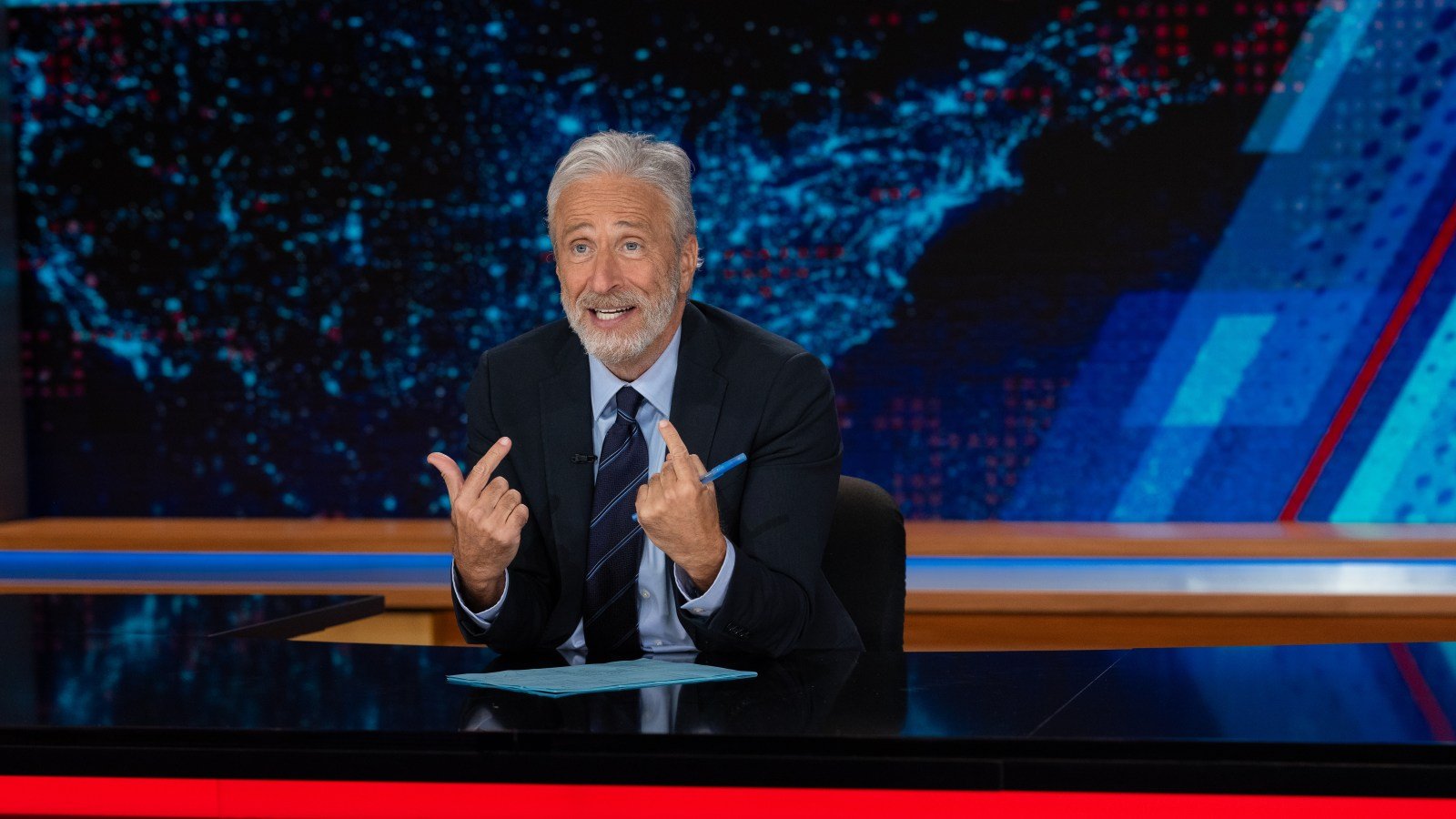
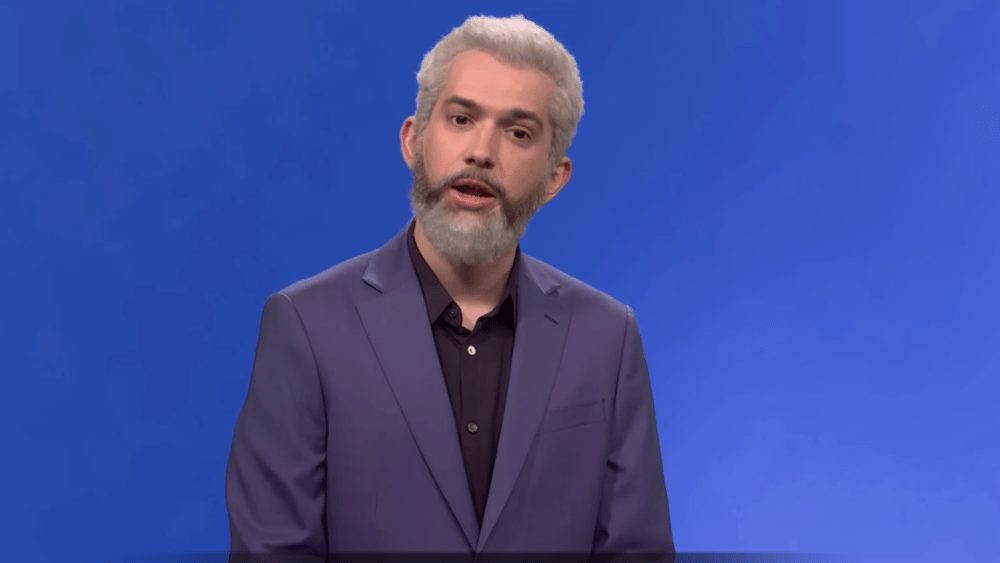
In a recent and thought-provoking comedic turn, a 'cut-for-time' sketch from a February episode of 'Saturday Night Live' ignited conversations far beyond its original airing. The segment featured an array of fictionalized public figures, including caricatures resembling Mel Gibson and J.K. Rowling, leveraging a nuanced public discussion around Tourette syndrome to excuse their past problematic statements and behaviors. This satirical commentary, while rooted in humor, has prompted a deeper examination of celebrity accountability, the intricacies of cancel culture, and the vital importance of accurately representing neurological conditions like Tourette syndrome in mainstream media.
The Satirical Premise: 'Saturday Night Live' Takes Aim at Excuses
The 'Saturday Night Live' sketch, though ultimately trimmed from the live broadcast, quickly circulated online, drawing significant attention. Its central premise depicted a fictional panel where various 'canceled' celebrities, facing backlash for offensive remarks or actions, opportunistically attempted to attribute their past indiscretions to Tourette syndrome. This comedic framing squarely aimed at those who might seek convenient medical pretexts to avoid genuine accountability for their public conduct. By casting recognizable figures, or thinly veiled versions of them, the sketch tapped into ongoing public debates about the consequences faced by individuals, particularly those in the public eye, for divisive or harmful rhetoric.
The satire's sharp edge lay in its portrayal of celebrities trying to co-opt a serious neurological condition as a shield against criticism. Characters implied to be Mel Gibson, known for antisemitic remarks and other controversies, and J.K. Rowling, who has faced widespread criticism for her comments on gender identity, were used as archetypes for individuals seeking a convenient escape from the repercussions of their words. The humor stemmed from the sheer absurdity of such a defense, highlighting a perceived lack of sincerity in some public apologies and the desperation to reclaim public favor without true introspection.
The BAFTA Connection and Tourette's Advocacy in Focus
The sketch's timing was not coincidental, explicitly referencing an 'incident' that occurred during the BAFTA Awards ceremony on February 22. While no specific Tourette's-related scandal actually transpired at the event, the presence of John Davidson, a prominent Tourette syndrome advocate, at the BAFTAs provided the contextual backdrop for SNL’s commentary. Davidson was in attendance to support nominated individuals, including Troy Kotsur, the Deaf actor who won for 'Coda.' His visible presence, and perhaps broader discussions surrounding disability representation in media that week, placed Tourette syndrome in the public consciousness, making it a timely, albeit sensitive, subject for comedic exploration.
This public spotlight, however fleeting, set the stage for SNL to satirize the potential for misinterpretation and exploitation. The sketch implicitly critiqued the tendency for some to latch onto a medical condition as an all-encompassing excuse, especially when the condition itself is often misunderstood by the general public. It underscores the ongoing challenge for advocates like Davidson to promote accurate understanding and combat stereotypes when a condition becomes part of a broader, often less informed, cultural conversation.
Debunking Misconceptions About Tourette Syndrome
Tourette syndrome (TS) is a complex neurological disorder characterized by involuntary, repetitive movements and vocalizations called tics. These tics can manifest in various ways, from simple motor tics like eye blinking or head jerking to complex vocal tics such as uttering words or phrases. Crucially, the tics associated with Tourette syndrome are involuntary. While the public often associates TS primarily with coprolalia (involuntary swearing), this symptom affects only a minority of individuals with the condition. More importantly, tics are distinct from intentional, hateful speech or premeditated offensive remarks. Attributing deliberate prejudiced statements or sustained patterns of problematic behavior to an involuntary neurological condition not only misrepresents the disorder but also trivializes the experiences of those genuinely living with TS.
Medical and advocacy communities consistently strive to educate the public that Tourette syndrome does not provide a 'pass' for harmful or bigoted behavior. The idea that someone with TS would uncontrollably unleash hateful, coherent diatribes as a tic is a severe and damaging mischaracterization. Such an association risks perpetuating harmful stereotypes, fostering misunderstanding, and diminishing the legitimate struggles faced by individuals navigating life with an often challenging and stigmatized condition. The SNL sketch, despite its satirical intent, inadvertently highlighted the pervasive lack of accurate knowledge about TS.
The Intersection of Satire, Accountability, and Public Perception
The sketch functions as a cultural mirror, reflecting societal fatigue with perceived insincere apologies and the deflection of personal responsibility, particularly from those in positions of power or influence. The choice of figures like Mel Gibson, whose career has been significantly impacted by well-documented instances of racist and antisemitic remarks, and J.K. Rowling, embroiled in fierce debates over her stance on transgender issues, is deliberate. These individuals represent high-profile examples of celebrities grappling with the repercussions of their public statements, making them ripe targets for satire that questions the authenticity of their justifications.
Satire, by its very nature, pushes boundaries and uses exaggeration to expose truths or critique societal norms. However, the use of a medical condition, even in a hyperbolic context, carries inherent risks. While the sketch's primary target was likely the opportunistic celebrity, not Tourette syndrome itself, the humor could be easily misconstrued. This underscores the delicate balance creators must strike: to deliver potent social commentary while avoiding the unintended consequence of inadvertently reinforcing misinformation or contributing to the stigmatization of marginalized groups, including those with neurological disorders.
The Broader Implications for Disability Awareness
Media portrayals, whether in news, drama, or comedy, significantly shape public understanding and attitudes toward disability. When conditions like Tourette syndrome are depicted inaccurately or used as a punchline without careful nuance, it can undo years of advocacy efforts aimed at promoting acceptance and inclusion. For individuals with TS, such portrayals can exacerbate existing feelings of shame or isolation, and for the broader public, they can perpetuate harmful stereotypes that hinder meaningful progress toward disability awareness and empathy. This incident serves as a crucial reminder for content creators to wield their influence responsibly, even when crafting satire.
The Ongoing Dialogue on Free Speech and Its Consequences
Ultimately, the 'SNL' sketch, despite its brief screen time and comedic intent, contributes to a much larger societal dialogue about free speech, personal responsibility, and the evolving landscape of public accountability. It forces a conversation about where the lines are drawn between genuine neurological conditions and deliberate hateful expression, and how society adjudicates these complex situations. The public, increasingly empowered by digital platforms, demands greater transparency and authenticity from public figures, making attempts to deflect responsibility particularly grating and, as SNL highlighted, fertile ground for satire.
The true message embedded within the 'Saturday Night Live' sketch wasn't to mock Tourette syndrome, but rather to critique the cynical exploitation of medical conditions as an alibi for personal failings and bigotry. It underscores a collective societal desire for genuine accountability from celebrities and public figures, pushing back against the notion that fame exempts one from the consequences of their words. As these conversations continue to evolve, the distinction between involuntary tics and intentional malice remains paramount, demanding clarity and respect for those genuinely affected by Tourette syndrome.
Delve deeper into the complex interplay of media, satire, and social issues by exploring more in-depth analyses on Global Insights Daily. Continue browsing our extensive collection of articles for insightful commentary and comprehensive coverage that keeps you informed and engaged with the most pressing topics of our time.
Fonte: https://variety.com