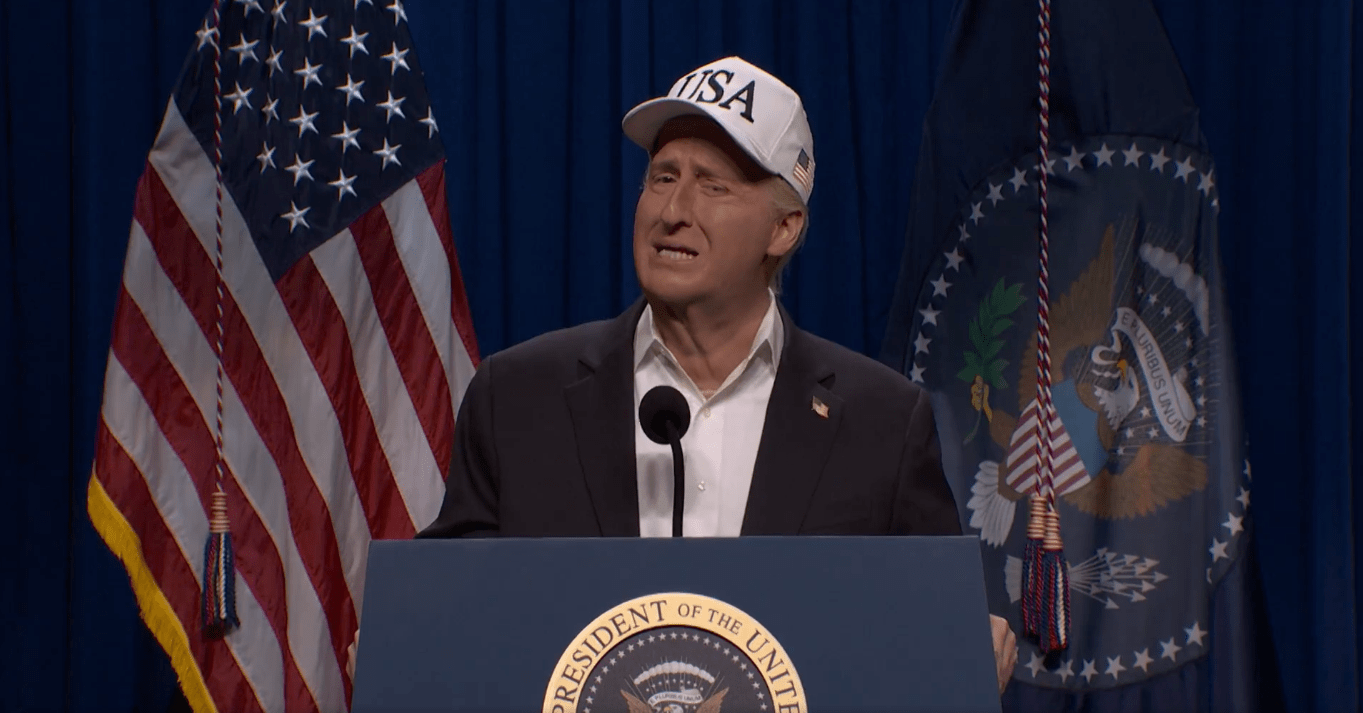
In a memorable cold open, 'Saturday Night Live' masterfully employed satire to dissect the escalating tensions between the United States and Iran, filtering them through the persona of then-President Donald Trump. The sketch, widely discussed across media platforms, captured the essence of a complex geopolitical situation by humorously portraying Trump as the self-appointed 'Board of Peace' leader who, paradoxically, had become 'bored of peace.' This comedic framing aimed to explore the potential disconnect between a president's stated foreign policy objectives and the reality of military escalation, particularly for a voter base often characterized by its 'America First' non-interventionist stance.
The Satirical Lens on Shifting Geopolitics
The 'SNL' sketch served as a poignant comedic mirror reflecting real-world anxieties surrounding the U.S. approach to Iran. It depicted the presidential character attempting to justify a potential shift toward military engagement, suggesting a capricious rationale rooted in ennui rather than strategic necessity. The recurring phrase, 'bored of peace,' became a potent symbol, stripping away layers of diplomatic rhetoric to expose the perceived absurdity or impulsiveness of high-stakes foreign policy decisions, especially those with far-reaching consequences for international stability.
Through this satirical device, 'SNL' not only provided immediate entertainment but also encouraged a critical examination of leadership communication during crises. The sketch highlighted how easily complex international relations could be simplified or misconstrued, offering a comedic take on how a leader might attempt to reconcile a hawkish pivot with previous promises, particularly to a constituency that values domestic focus over foreign entanglements. It underscored the public's search for clear, consistent explanations in times of uncertainty.
'America First' and the War Debate
The 'America First' doctrine, a cornerstone of the Trump administration's foreign policy, typically advocated for prioritizing domestic interests, reducing foreign aid, and minimizing military interventions unless directly beneficial to U.S. security. This framework often resonated with a significant portion of the electorate weary of protracted conflicts abroad. The 'SNL' sketch ingeniously poked fun at the potential for this isolationist-leaning policy to morph into a more interventionist posture, thereby challenging the very principles it claimed to uphold and satirizing the messaging required to bridge such a gap.
Addressing the 'Duped' Voter Narrative
A core element of the sketch was its humorous attempt to preemptively address concerns from 'America First' voters who might feel misled or 'duped' by a potential shift towards conflict. By having the Trump character directly speak to his base, 'SNL' explored the narrative tension between a leader's promises and evolving geopolitical realities. The satire suggested that voters, particularly those who supported a non-interventionist platform, might grapple with a sense of betrayal if their leader initiated military action, prompting the comedic explanation of why such a pivot was, in fact, still aligned with their interests, however convoluted that explanation might be.
SNL's Role in High-Stakes Political Satire
'Saturday Night Live' has a long-standing tradition of dissecting and lampooning U.S. political figures and events, often serving as a cultural barometer for the national mood. Its cold open segments, in particular, frequently set the tone for the week's political commentary, providing a shared comedic experience that often encapsulates complex issues into digestible, albeit exaggerated, narratives. The show's ability to translate high-stakes geopolitical tensions into accessible humor speaks to its enduring influence in shaping public discourse and offering a collective release valve for societal anxieties.
The sketch's impact extended beyond mere entertainment, sparking discussions about the boundaries of satire, the responsibility of comedic commentary during times of crisis, and the broader implications of political leadership. By reducing a potential military conflict to a matter of personal boredom, 'SNL' forced audiences to confront the profound gravity of foreign policy decisions, reminding them that behind the political theater are very real lives and consequences. This form of satire often encourages a deeper, albeit uncomfortable, reflection on the nature of power and decision-making.
The Real-World Stakes: US-Iran Tensions
The satirical 'SNL' sketch was set against a backdrop of genuine and escalating tensions between the United States and Iran. This period saw significant events, including the U.S. withdrawal from the Joint Comprehensive Plan of Action (JCPOA), renewed sanctions, and a series of incidents in the Persian Gulf, raising fears of a broader conflict. The comedic narrative, therefore, didn't exist in a vacuum; it directly engaged with the prevailing news cycle and the widespread public concern over the potential for military confrontation in a volatile region, providing a darkly humorous take on a very serious global situation.
The humor derived from the sketch stemmed precisely from its audacious trivialization of these severe geopolitical realities. By presenting a presidential character articulating a foreign policy shift with such flippancy, 'SNL' highlighted the stark contrast between the gravity of potential war and the often-perceived casualness of political rhetoric. It served as a cultural commentary on how profound global crises could be packaged and presented, both by politicians and by the media, and how satire could deconstruct these narratives to reveal underlying truths or absurdities.
Ultimately, the 'SNL' cold open transcended simple comedy, acting as a significant piece of political commentary. It masterfully used humor to explore the complexities of foreign policy, the 'America First' ethos, and the public's perception of leadership during periods of international instability. By framing the discourse around a leader's purported 'boredom with peace,' the sketch underscored the serious implications of a nation potentially drifting toward conflict, prompting viewers to consider the real reasons behind such monumental decisions and their profound impact on voters and global security alike.
For more in-depth analysis on the intersection of politics, media, and culture, and to stay informed on how current events are shaped and reflected, we invite you to continue exploring the rich content available on [NAME OF SITE]. Dive deeper into our expertly crafted articles, exclusive interviews, and insightful commentary that help make sense of our complex world.
Fonte: https://www.rollingstone.com