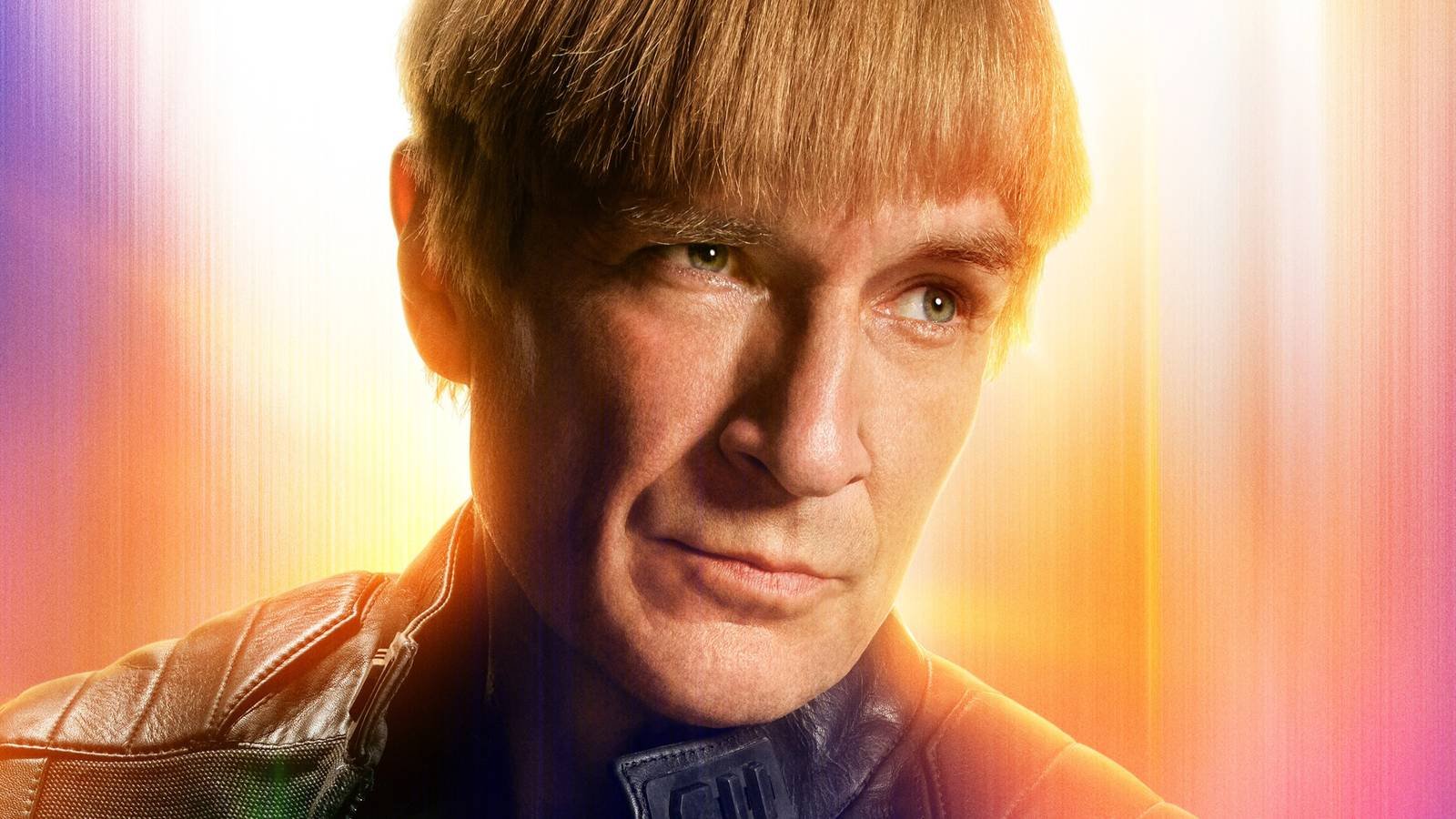
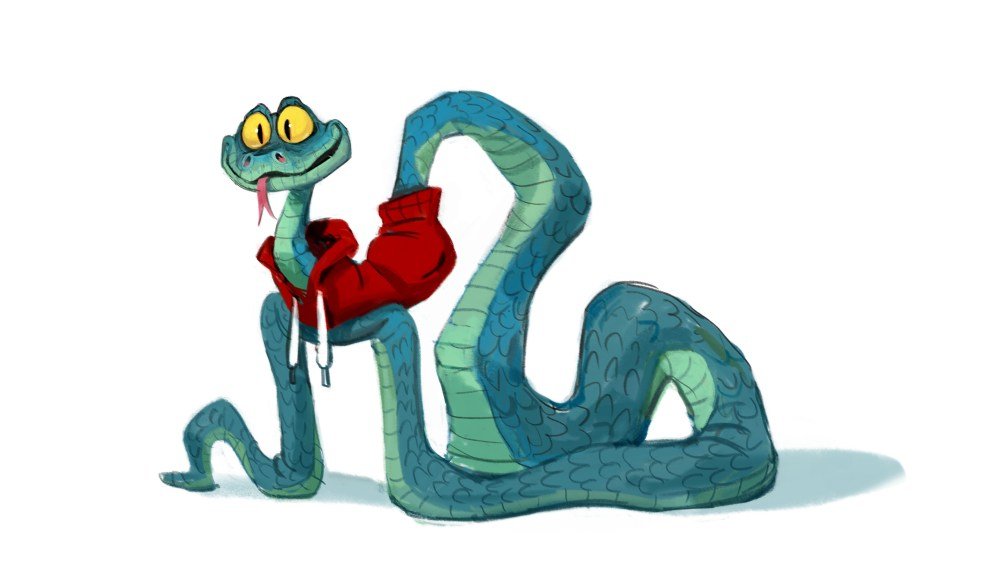
The highly anticipated sequel, “Zootopia 2,” is poised to expand the vibrant world introduced in its acclaimed predecessor, delving deeper into themes of prejudice, coexistence, and unexpected heroism. A standout new addition to this rich narrative is Gary De’Snake, voiced by the Academy Award-winning actor Ke Huy Quan. This reptilian character, whose life is irrevocably altered by the villainous machinations of the lynx family, embarks on a journey that sees him transform into an unlikely ally for returning protagonists Judy Hopps (Ginnifer Goodwin) and Nick Wilde (Jason Bateman). Yet, introducing a character like Gary De’Snake presented a unique artistic challenge: how do animators make a snake, an creature often stereotyped as menacing or untrustworthy, genuinely empathetic to a broad audience?
The Evolving World of Zootopia and Its Newcomers
The original “Zootopia” captivated audiences with its intricately designed world where predator and prey live in a fragile, often challenged, harmony. It skillfully explored complex social issues through the lens of anthropomorphic animals, making its allegories both accessible and profound. The sequel aims to build upon this foundation, introducing new species and expanding the geographical and political landscape of Zootopia. New characters are not merely additions; they are integral to enriching the film's thematic depth and pushing the existing heroes into uncharted territory.
Gary De'Snake represents a significant facet of this expansion. His backstory—a home and community devastated by the ruthless actions of the lynx family—immediately grounds his character in relatable tragedy. This personal loss serves as a powerful catalyst for his involvement in the broader conflict, aligning his motivations with the film’s central narrative of justice and resilience. His inclusion not only diversifies the character roster but also offers a fresh perspective on the challenges faced by inhabitants of Zootopia, particularly those from marginalized or misunderstood animal groups.
Gary De'Snake: Crafting Empathy for an Unlikely Hero
Gary De'Snake's journey from victim to hero is central to the film's emotional core. After the destruction of his community, he is drawn into the unfolding conspiracy perpetrated by the lynx family. It is here that his path intersects with Judy Hopps and Nick Wilde. His initial interactions may be marked by caution or even fear, reflecting the societal biases against reptiles. However, his innate courage and desire for justice quickly shine through, forging a powerful bond with the established heroes and demonstrating that heroism transcends species.
The Art of Visual Emotional Resonance
The challenge for the animation team was profound: how to visually communicate empathy for a character whose species is often associated with coldness or menace in popular culture. Snakes lack traditional facial features like eyebrows and eyelids that are crucial for human-like emotional expressions. To overcome this, the artists employed subtle yet impactful design choices. By **softening his eyes** and **adding a brow**, they ingeniously reconfigured Gary’s reptilian visage to convey a range of human emotions, from vulnerability and sorrow to determination and warmth.
The softening of Gary’s eyes is not merely an aesthetic choice; it’s a deliberate design decision to invoke a sense of relatability. Traditionally, reptilian eyes are often depicted as unblinking and unexpressive, contributing to their perceived alienness. By introducing a degree of softness and depth, the animators allow for a wider spectrum of emotional states to be read by the audience. Similarly, the addition of a brow, even a subtle one, is a masterstroke. Brows are fundamental to human facial communication, conveying everything from concern and anger to surprise and empathy. By integrating this feature, the artists gave Gary De'Snake an essential tool for non-verbal communication, allowing viewers to connect with his inner world more readily than if he lacked this expressive element.
Beyond Stereotypes: A Design Philosophy
This thoughtful character design extends beyond mere aesthetics; it is deeply rooted in "Zootopia's" core philosophy. The original film challenged audiences to look past superficial differences and prejudices, emphasizing that true character lies beneath the surface. Gary De'Snake's design is a direct extension of this ethos, prompting viewers to reconsider preconceived notions about certain animal species. By actively working to humanize a character like a snake, the animators reinforce the film's message that every individual, regardless of their appearance or societal stereotypes, is capable of complex emotions, heroism, and deserving of understanding.
This approach to character animation sets a high standard for conveying emotional depth in a diverse cast. It demonstrates that effective design is not about simplifying or sanitizing a character's natural form, but rather about identifying key visual cues that can bridge the gap between fantasy and audience perception. The success in making Gary De'Snake empathetic underscores a broader trend in animation to create more nuanced, multi-dimensional characters who defy easy categorization and contribute meaningfully to the narrative's emotional resonance.
Ke Huy Quan's Impact: Giving Voice to the Vulnerable
While visual design lays the groundwork for Gary De’Snake’s empathy, the voice acting of Ke Huy Quan brings the character to vibrant life. Quan, celebrated for his recent roles that have showcased his incredible range and emotional depth, brings a unique blend of vulnerability, resilience, and earnestness to Gary. His ability to convey complex feelings through vocal inflections and delivery will undoubtedly be crucial in solidifying Gary’s sympathetic portrayal, particularly given the visual limitations of a snake’s mouth for expressive dialogue.
Quan's casting is particularly fitting, as his own career narrative reflects themes of perseverance and unexpected triumph. His performance is expected to imbue Gary with a distinct personality that transcends his reptilian form, making him a truly memorable and beloved character. The synergy between the visual design, which subtly humanizes Gary, and Quan’s vocal performance, which infuses him with soul, promises to create a character who resonates deeply with viewers, further enhancing the film's message of acceptance and understanding.
The Broader Narrative: Foiling the Lynx Family
The lynx family serves as the primary antagonistic force in “Zootopia 2,” their “evil machinations” causing widespread destruction and personal devastation, particularly for Gary De’Snake. Their actions are not merely villainous for villainy's sake; they provide a concrete threat that tests the bonds within Zootopia and forces its heroes, old and new, to unite. The scale of their destruction, impacting entire communities like Gary's, elevates the stakes of the narrative beyond individual conflicts, making the fight for justice a collective endeavor.
Gary's integration into the heroic trio alongside Judy Hopps and Nick Wilde is instrumental in the ultimate defeat of the lynx family. His unique perspective, knowledge of the affected regions, or perhaps even specialized skills as a reptile, could provide critical advantages against the villains. This collaborative effort underscores the film's enduring message that diverse strengths and backgrounds are essential in overcoming adversity. By working together, these disparate characters embody the very ideals of Zootopia, demonstrating that unity and empathy are the most potent weapons against discord and prejudice.
The careful crafting of Gary De'Snake, from his empathetic visual design to Ke Huy Quan's compelling vocal performance, exemplifies "Zootopia 2's" commitment to delivering a rich, meaningful narrative. His character not only adds a fresh dynamic to the beloved franchise but also reinforces its core message: that empathy and understanding can bridge any divide, even between species traditionally seen as adversaries. Dive deeper into the fascinating world of character design and narrative development by exploring more in-depth analyses and exclusive content right here on NAME OF SITE.
Fonte: https://variety.com