Desde sua estreia revolucionária nas televisões em 1966, Star Trek tem cativado a imaginação de milhões, prometendo um futuro otimista onde a humanidade transcende suas divisões e se aventura pelas estrelas. Essa visão inspiradora continua a influenciar artistas e cientistas, mas o verdadeiro motor por trás de seu apelo duradouro e impacto cultural reside em uma única palavra: alienígenas. Mais do que meros coadjuvantes, as diversas espécies extraterrestres de Star Trek serviram como espelhos para a condição humana, desafiando preconceitos, explorando dilemas éticos complexos e, em última análise, redefinindo o gênero de ficção científica para sempre.
The Enduring Legacy of Star Trek's Alien Diversity
Star Trek didn't just introduce new worlds; it introduced new ways of thinking about 'the other.' Before its advent, aliens in popular media were often monolithic, two-dimensional threats or simplistic allies. Gene Roddenberry's vision, however, posited a universe teeming with complex civilizations, each with its own unique philosophy, societal structure, and moral compass. This commitment to deep characterization and cultural exploration elevated Star Trek beyond mere space opera, transforming it into a powerful allegorical tool. By presenting humanity's best and worst traits through the lens of alien interactions, the franchise encouraged viewers to reflect on their own biases and contemplate a more inclusive future.
Vulcans: Logic as a Moral Imperative
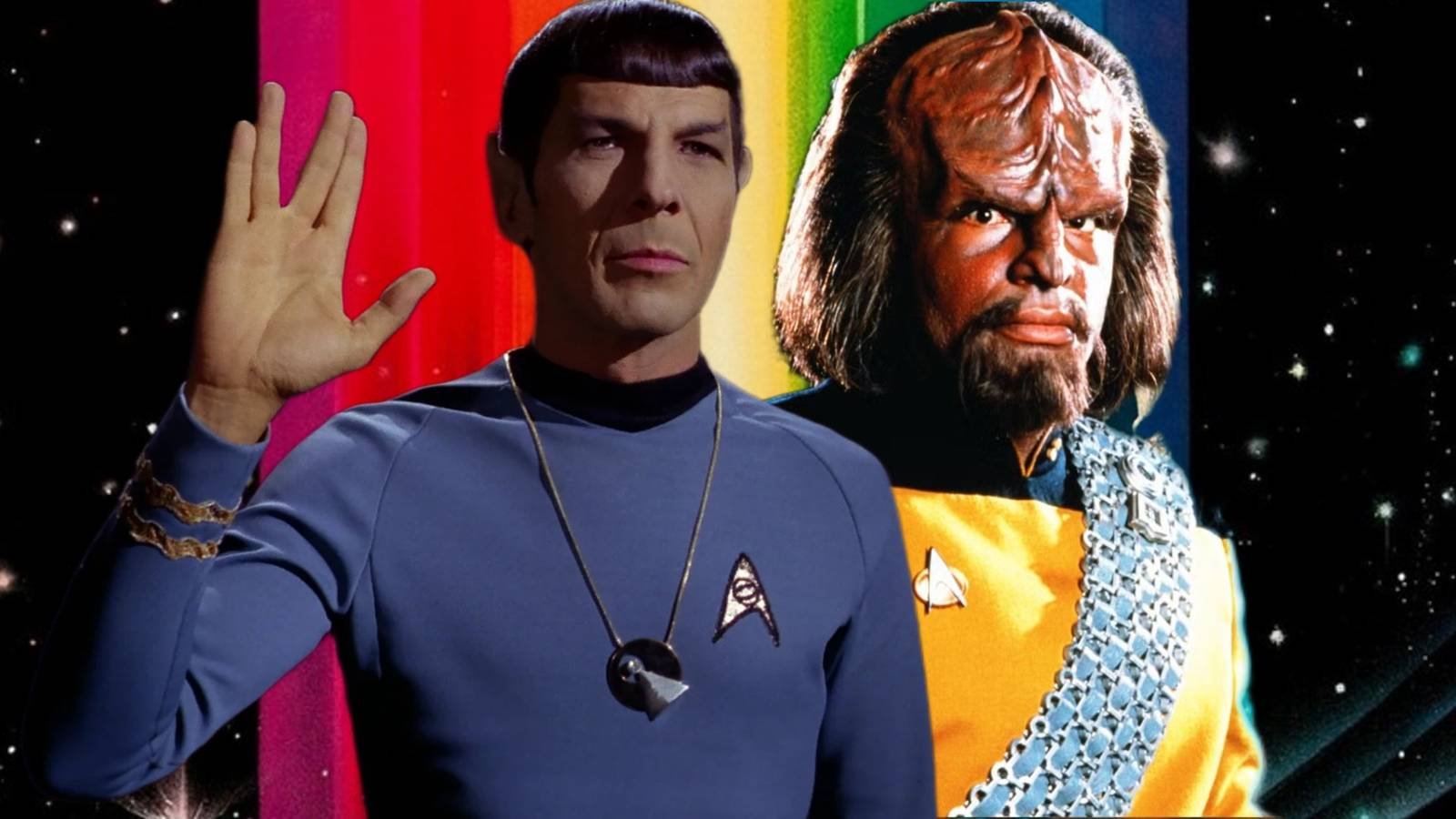
First encountered as Mister Spock's species, the Vulcans swiftly became a cornerstone of Star Trek lore. Their strict adherence to logic, suppressing emotional impulses through rigorous mental discipline, presented a fascinating dichotomy. Rather than simply being cold or unfeeling, Vulcan philosophy explored the profound choice to master one's inner turmoil for the greater good. This concept introduced a new depth to alien characterization, showcasing a species driven by a noble, albeit challenging, ideal. The Vulcans challenged audiences to consider the merits and drawbacks of pure rationality, inspiring countless subsequent sci-fi narratives to delve into the philosophical implications of advanced alien societies that prioritize intellect over emotion. Their embrace of IDIC (Infinite Diversity in Infinite Combinations) also encapsulated Star Trek's core message of acceptance and understanding.
Klingons: Redefining the 'Warrior Race'
Initially conceived as simple antagonists, the Klingons evolved into one of Star Trek's most multifaceted and beloved alien species. Their fierce warrior culture, code of honor, and complex internal politics provided rich storytelling opportunities that transcended the typical 'good versus evil' tropes. The Klingons challenged the notion that all aliens must conform to human ideals of morality, presenting a society with its own distinct and often brutal, yet honorable, ethical framework. Their transformation from one-dimensional villains to complex allies and even Starfleet officers demonstrated the franchise's capacity for growth and its commitment to exploring reconciliation and diplomacy between disparate cultures. This nuanced portrayal profoundly influenced how future science fiction depicted alien antagonists, encouraging writers to craft adversaries with their own justifiable motivations and cultural integrity rather than mere malevolence.
Romulans: Masters of Subterfuge and Cold War Parallels
The Romulans, a proud and secretive offshoot of the Vulcans, introduced an element of geopolitical tension and espionage to the Star Trek universe. Unlike the overt aggression of the Klingons, the Romulans operated with cunning and subterfuge, masters of misdirection and political manipulation. Their cloaking devices and highly stratified military structure symbolized the anxieties of the Cold War era, mirroring real-world international relations through the lens of science fiction. This allowed Star Trek to explore themes of mistrust, covert operations, and the constant threat of proxy wars without directly referencing contemporary events. The Romulans established a template for sophisticated alien adversaries who posed intellectual and strategic challenges rather than relying solely on brute force, influencing countless spy thrillers and space opera political dramas.
The Borg: The Ultimate Existential Threat
Introduced in 'Star Trek: The Next Generation,' the Borg represented a truly revolutionary concept in alien threats. A cybernetic collective driven by the singular goal of assimilation, they eradicated individuality and freedom, offering a chilling vision of technological totalitarianism. The Borg were not motivated by conquest or revenge in the traditional sense; their goal was 'perfection' through the absorption of all biological and technological distinctiveness. This terrifying, seemingly unstoppable force challenged Starfleet's most cherished ideals – diversity and individual liberty – in unprecedented ways. The Borg tapped into contemporary fears about loss of identity in an increasingly interconnected and technologically advanced world, establishing a benchmark for existential, psychological, and utterly alien threats that continues to resonate across science fiction, influencing everything from AI narratives to horror cinema.
Ferengi: Satire, Capitalism, and Moral Ambiguity
While initially depicted as comedic villains, the Ferengi, particularly in 'Star Trek: Deep Space Nine,' evolved into a sophisticated satire of extreme capitalism and gender inequality. Governed by the 'Rules of Acquisition,' their culture prioritized profit above all else, often to humorous and morally ambiguous effect. Their societal structure, where females were forbidden to wear clothes or earn profit, provided a powerful platform for social commentary within the fictional framework. The Ferengi demonstrated Star Trek's willingness to critique human societal flaws through exaggeration and parody, presenting an alien species that, while often selfish, possessed its own complex internal logic and moments of surprising humanity. They broadened the scope of alien representation by showing that not all species need to be grand philosophical statements or epic threats; some can effectively highlight human foibles through sharp social commentary.
Beyond the Final Frontier: Star Trek's Cultural Impact
The profound impact of Star Trek's alien species extends far beyond the confines of its fictional universe. These meticulously crafted beings did more than entertain; they served as vehicles for exploring complex themes of xenophobia, cultural relativism, identity, and the very definition of humanity. By presenting diverse alien cultures with distinct moral codes and societal structures, Star Trek broadened the horizons of science fiction, challenging writers to create more sophisticated and believable extraterrestrial life forms. Each species, whether embodying logic, honor, deceit, assimilation, or avarice, contributed to a richer tapestry of storytelling that encouraged audiences to look inward while gazing outward. They collectively forged a path for future speculative fiction to delve deeper into the philosophical and sociological implications of interstellar contact, fundamentally changing how alien life is conceived and portrayed in popular culture.
The legacy of Star Trek's iconic alien species is a testament to the power of imaginative storytelling to reflect, challenge, and inspire. Their enduring presence in our collective consciousness underscores the franchise's profound influence on science fiction and its continuous relevance in today's world. To delve deeper into the rich tapestry of the Star Trek universe and explore more groundbreaking content, continue browsing the expansive archives and insightful analyses available here at [NAME OF SITE]. Explore the unknown, discover new perspectives, and join our community of enthusiasts today!
Fonte: https://screenrant.com