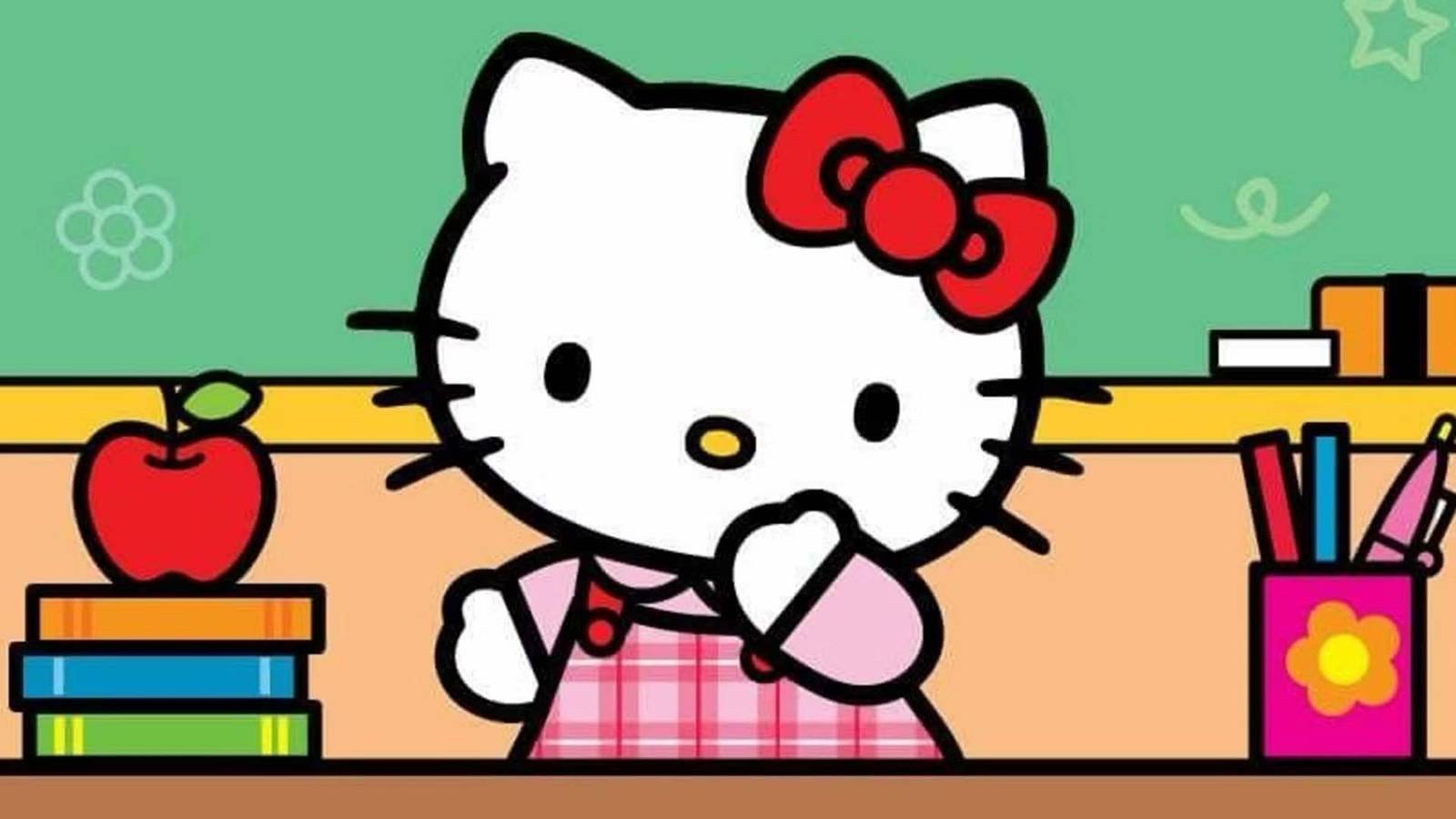
For over five decades, Hello Kitty has transcended her origins as a simple design on a vinyl coin purse to become a global cultural icon. Created by Sanrio in 1974, this adorable anthropomorphic cat, distinguished by her signature bow and mouthless expression, has captured the hearts of millions across generations. Her omnipresence ranges from high-fashion collaborations and technological gadgets to starring roles in animated series and feature films, solidifying her status as one of the most recognizable and enduring characters in popular culture. Yet, despite her monumental past, 2026 is poised to usher in an unprecedented and arguably most pivotal chapter in Hello Kitty's storied history, signaling a strategic evolution for the beloved brand.
The Enduring Legacy of Hello Kitty
Hello Kitty's journey began in Japan, conceived by Yuko Shimizu under the visionary guidance of Sanrio founder Shintaro Tsuji. The initial design was deceptively simple: a white bobtail cat with a red bow on her left ear, characterized by a lack of a mouth. This design choice, initially a matter of artistic simplicity, evolved into a profound aspect of her universal appeal. By allowing individuals to project their own emotions onto her, Hello Kitty became a blank canvas for human experience, fostering a deep, personal connection with a diverse audience that few other characters have achieved.
Origins and Universal Appeal
The character's initial target audience was young girls, embodying the Japanese concept of 'kawaii' (cuteness). However, her appeal quickly broadened. Unlike many characters tied to specific narratives or personalities, Hello Kitty’s neutral expression and adaptable aesthetic allowed her to seamlessly integrate into various cultural contexts and consumer products. This inherent versatility has been a cornerstone of her longevity, enabling her to resonate with different demographics, from children to adults, and across various fashion trends and lifestyle movements. Her design is minimalistic yet distinct, making her instantly recognizable regardless of the medium or product she adorns.
A Global Merchandise Empire
Over the decades, Hello Kitty has evolved into a formidable merchandise empire, extending far beyond toys and stationery. She has collaborated with an astonishing array of global brands, spanning luxury fashion houses like Balenciaga, technology giants such as Samsung, and everyday consumer goods from food products to automotive accessories. These partnerships are not mere endorsements but often involve unique, limited-edition designs that elevate Hello Kitty from a children's character to a symbol of contemporary style and collectibility. Her presence in popular media, including numerous anime series, direct-to-video films, and video games, further amplifies her reach, ensuring continuous engagement with both long-time fans and new audiences discovering her charm.
Hello Kitty's Cultural Significance
Beyond her commercial success, Hello Kitty holds significant cultural weight, particularly as an ambassador of Japanese pop culture globally. She represents a blend of innocence, joy, and aspirational cuteness that has profoundly influenced design aesthetics and consumer trends worldwide. Her sustained relevance speaks volumes about Sanrio’s astute brand management and Hello Kitty’s intrinsic ability to adapt without losing her core identity. She has become a cross-generational phenomenon, often serving as a nostalgic touchstone for adults while simultaneously captivating new generations with her timeless appeal.
Adapting to Changing Times
The ability of Hello Kitty to remain pertinent in a rapidly shifting cultural landscape is remarkable. While many characters fade into obscurity, Sanrio has consistently innovated, introducing new storylines, embracing digital platforms, and diversifying her public persona. This proactive approach ensures that Hello Kitty stays fresh and engaging, reflecting societal changes and technological advancements. Her brand strategy involves careful balancing of tradition with innovation, making her a dynamic entity capable of evolving with her audience without compromising the foundational elements that made her beloved in the first place.
The Dawn of a New Era in 2026
The announcement that 2026 will mark Hello Kitty’s 'most important era yet' signifies a strategic re-envisioning for the brand. After more than half a century of unparalleled success, this pivotal moment indicates a renewed focus on innovation, perhaps exploring uncharted territories in digital engagement, immersive experiences, or expanded narrative universes. For a character already so deeply embedded in global consciousness, this new era is unlikely to be a mere superficial refresh but rather a foundational shift designed to ensure her continued dominance and cultural resonance for the next fifty years and beyond.
Strategic Evolution and Future Vision
This impending era suggests Sanrio is preparing to leverage cutting-edge technologies and evolving consumer behaviors. It could involve deeper integration into the metaverse, the launch of new interactive platforms, or a significant expansion of Hello Kitty's narrative through advanced animation or interactive media. The goal is to not only maintain her existing massive fanbase but also to forge new connections with emerging generations who engage with brands differently. This strategic evolution will likely redefine how fans interact with Hello Kitty, offering more personalized, dynamic, and immersive experiences that reflect the evolving digital landscape while still upholding her core values of friendship, happiness, and cuteness.
As Hello Kitty embarks on this significant new chapter in 2026, the world watches with anticipation to see how Sanrio will further solidify her legacy. This upcoming era promises to deepen her cultural impact, ensuring that Hello Kitty remains not just a nostalgic icon but a vibrant, forward-looking figure in the global imagination. For more in-depth analyses of cultural phenomena and brand strategies, continue exploring the rich content available right here on NAME OF SITE.
Fonte: https://screenrant.com