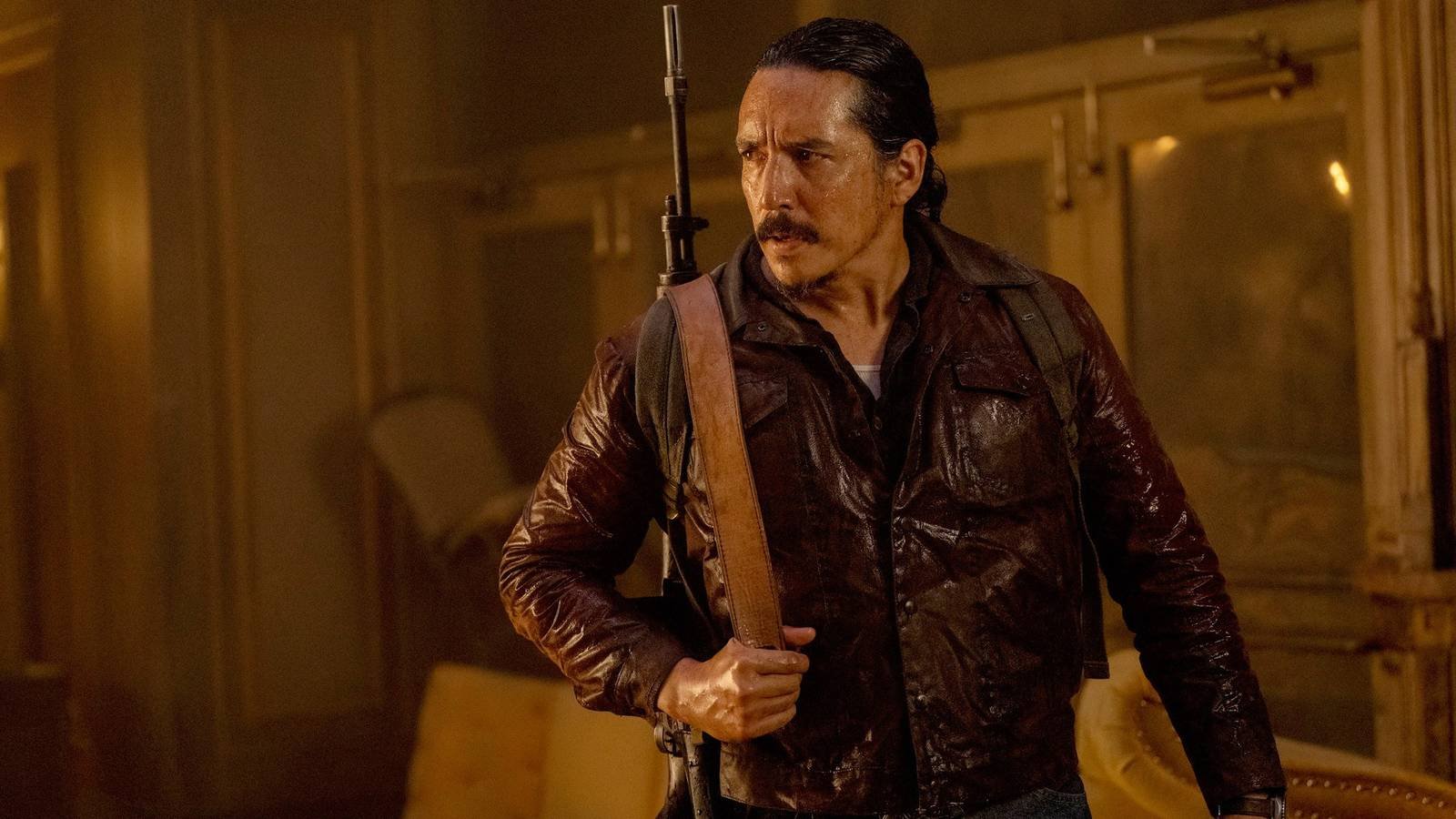
HBO has long been synonymous with groundbreaking, intensely dramatic television, a reputation solidified by its meticulous adaptations and original narratives. The studio’s foray into the post-apocalyptic world of Naughty Dog's acclaimed video game, *The Last of Us*, was no exception. The inaugural season garnered widespread critical acclaim and captivated audiences worldwide, effectively breaking the so-called 'video game adaptation curse.' It masterfully translated the game's harrowing narrative, complex characters, and profound emotional depth to the screen, setting an incredibly high bar for future installments. Yet, despite this triumphant debut, there's a growing sentiment that the very success and nature of the source material for its continuation, *The Last of Us Part II*, may inadvertently be positioning Season 2 for a significantly more challenging reception, potentially even a perceived 'failure' in the eyes of some viewers.
The Unprecedented Success and High Bar Set by Season 1
The first season of *The Last of Us* was an unequivocal triumph, lauded for its exceptional performances, particularly from Pedro Pascal as Joel Miller and Bella Ramsey as Ellie Williams, whose chemistry anchored the series. Showrunners Craig Mazin and Neil Druckmann (the game's original creator) deftly navigated the delicate balance between fidelity to the source material and necessary creative deviations. Episodes like 'Long, Long Time,' which expanded on the story of Bill and Frank, not only resonated deeply with viewers but also showcased the series’ potential to enrich the established lore without alienating existing fans. This strategic storytelling, combined with HBO's signature high production values, led to a cascade of awards and an enthusiastic audience base, all of which contributed to an almost insurmountable level of expectation for the subsequent season. The series proved that video game adaptations could be more than mere fan service; they could be prestigious, emotionally resonant television in their own right, thereby elevating the benchmark for its own future.
The Weight of Expectation: Adapting *The Last of Us Part II*
The challenge for Season 2 lies not in a lack of quality source material, but rather in the inherent controversies and narrative complexities of *The Last of Us Part II*. The game, released in 2020, was a polarizing experience for many within the gaming community. It pushed boundaries with its uncompromisingly dark themes, brutal depiction of violence, and a significant shift in perspective that profoundly impacted beloved characters. While praised by critics for its bold storytelling and technical achievements, it also drew vehement criticism from a segment of its fanbase for specific plot developments and character fates. Adapting a narrative that was already divisive in its original medium presents a unique 'poisoned chalice' dilemma for the HBO series. The showrunners must now confront the difficult task of translating a story that deliberately challenges audience empathy and comfortable heroism, risking a similar backlash from a potentially broader, less game-savvy viewership.
Shifting Protagonists and Divisive Character Arcs
One of the most significant narrative hurdles for Season 2 is the game's radical decision to introduce a new playable protagonist, Abby Anderson, whose story becomes interwoven with and ultimately opposes Ellie's. *The Last of Us Part II* intentionally forces players to empathize with Abby, presenting her side of a brutal revenge saga. This narrative technique, while powerful in the game, could be jarring for a television audience that has spent an entire season deeply invested in Joel and Ellie's journey. Audiences are accustomed to clear protagonists and antagonists, and the show’s potential insistence on a morally ambiguous, dual-perspective narrative might alienate those seeking a more conventional continuation of Ellie’s story. The depth of audience attachment to Joel, in particular, makes the game’s controversial opening acts an especially sensitive point for adaptation, requiring incredibly careful handling to avoid widespread viewer discontent.
Embracing Darker Themes and Moral Ambiguity
While Season 1 had its moments of profound sadness and violence, it was largely underpinned by a story of surrogate parenthood and the forging of an unbreakable bond. *Part II*, however, plunges much deeper into themes of vengeance, trauma, cycles of violence, and the blurred lines between hero and villain. The narrative is relentlessly bleak, often depicting extreme brutality as characters on all sides commit horrifying acts. This heightened level of psychological and physical darkness, coupled with the explicit intent to challenge viewers’ allegiances, could prove to be a difficult pill for many. Casual viewers, drawn in by the emotional core of Season 1, might find the subsequent season’s tonal shift too grim or morally complex, potentially impacting its broader appeal and leading to accusations of needlessly shocking or depressing content.
Pacing, Scope, and the Challenge of Adaptation
*The Last of Us Part II* is an extensive and dense narrative, spanning several days and featuring multiple intersecting storylines and extended flashbacks. Translating this intricate structure to episodic television without losing momentum or confusing viewers will be a monumental task. The showrunners have already hinted that *Part II*'s story may require more than one season, indicating the sheer volume of content. However, stretching out a revenge narrative over multiple seasons could risk audience fatigue or a perceived dilution of the story's intensity. Maintaining a compelling pace while faithfully exploring the nuances of each character's journey and motivations will be crucial, demanding innovative episodic structuring that can sustain engagement over an extended period without feeling drawn out.
Creative Decisions and Audience Reception
Mazin and Druckmann have a proven track record of thoughtful adaptation, demonstrating in Season 1 an understanding of when to adhere to the game and when to diverge for the benefit of the television medium. Their ability to navigate the controversial aspects of *Part II* will be the ultimate test of their creative genius. They must decide how much of the game’s original structure and controversial plot points to retain, how to pace the introduction of new characters like Abby, and how to maintain the emotional investment of an audience while challenging their preconceived notions of good and evil. The risk is twofold: a too-faithful adaptation might alienate those who disliked the game’s narrative choices, while too many deviations might enrage the loyal fanbase who cherished *Part II* precisely for its boldness. Finding the sweet spot will be a tightrope walk, potentially leading to a season that, while critically acclaimed by some, could divide the audience like few other prestige dramas have before.
The success of HBO's *The Last of Us* Season 1 was extraordinary, establishing a benchmark for video game adaptations. However, the path forward for Season 2, rooted in the inherently polarizing narrative of *The Last of Us Part II*, presents a unique and significant set of challenges. The shift in narrative focus, the embrace of darker, more morally ambiguous themes, and the sheer scope of the story all combine to create a landscape fraught with potential pitfalls. While these elements could lead to a critically groundbreaking and daring season, they also carry the risk of alienating a substantial portion of the audience, leading to a perception of failure regardless of artistic merit. The showrunners face the daunting task of delivering a compelling story that honors its complex source material while still resonating with a broad viewership. How they navigate these narrative minefields will ultimately determine if Season 2 continues the legacy of triumph or succumbs to the weight of its own ambitious design.
Dive deeper into the world of television adaptations, video game lore, and critical analysis. Explore more insights and discussions on groundbreaking series and their challenges right here on NAME OF SITE. Stay informed, stay engaged, and join our community of passionate entertainment enthusiasts today!
Fonte: https://screenrant.com