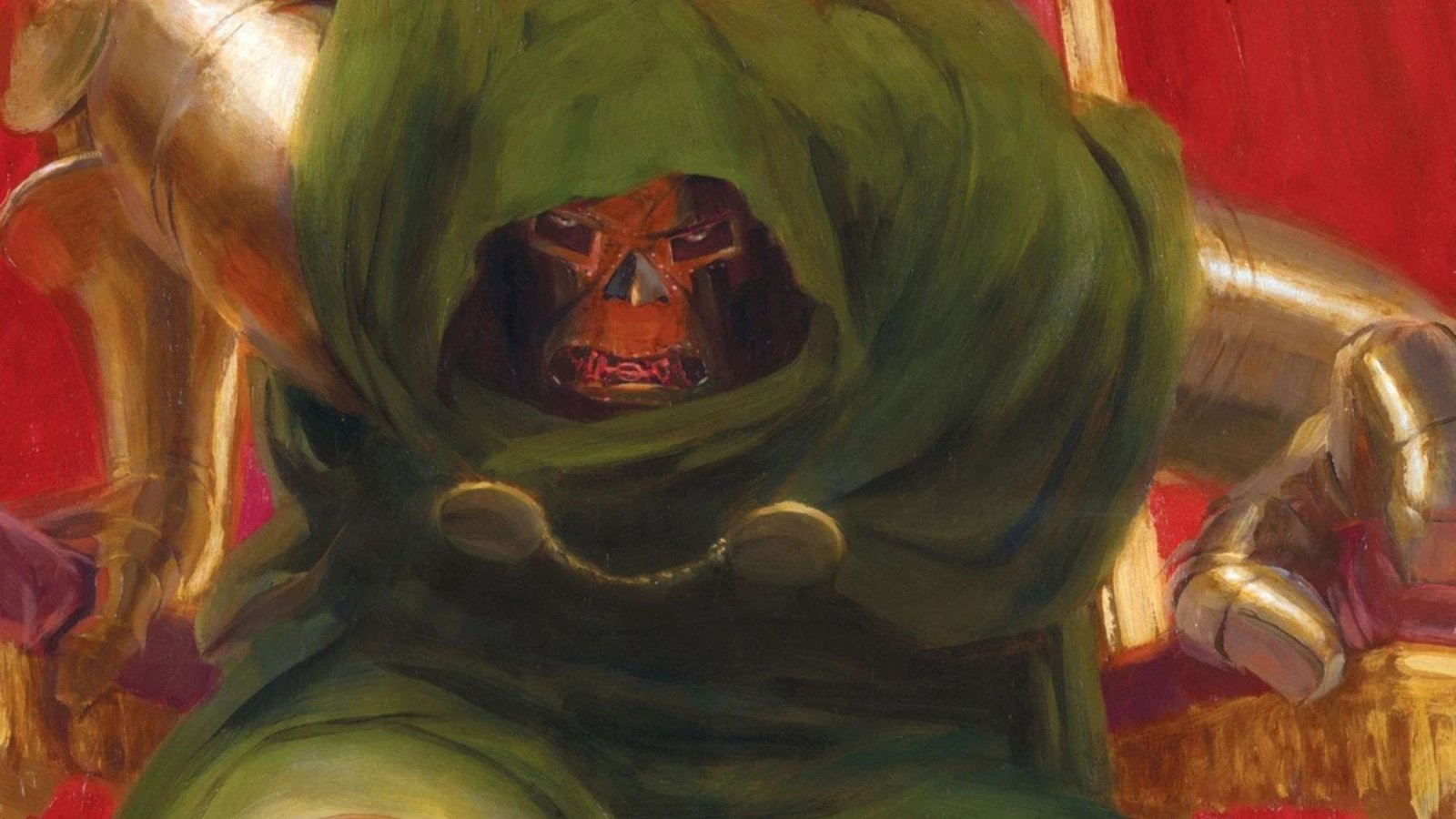
Doctor Doom stands as arguably the most formidable and complex villain in the vast Marvel Universe. His reign as the monarch of Latveria has permeated countless storylines, challenging not only his perennial adversaries, the Fantastic Four, but also threatening the very fabric of reality across numerous Marvel events. With the looming "Avengers: Doomsday" poised to introduce this iconic figure to the Marvel Cinematic Universe, anticipation among fans is at an all-time high. Yet, a crucial piece of Doctor Doom’s legacy—a definitive origin story essential for understanding his intricate psyche—remains tragically out of reach. "Books of Doom," a seminal six-issue miniseries by Ed Brubaker and Pablo Raimondi, offers unparalleled insight into Victor Von Doom’s transformation from a tragic Romani boy to the supreme sovereign. Its current unavailability in print represents a significant missed opportunity for both new and long-time fans eager to delve into the depths of Marvel’s most compelling antagonist.
The Enduring Legacy and Unmatched Complexity of Doctor Doom
Doctor Doom's stature as Marvel's preeminent villain is not merely due to his immense power but to his unique blend of scientific genius, unparalleled sorcery, and a convoluted, often contradictory, moral compass. Unlike many adversaries driven by simple greed or malice, Doom is fueled by an unwavering belief in his own superiority and a convoluted sense of justice for his people, the Latverians. His strategic brilliance has seen him transcend the role of a mere Fantastic Four foe, impacting global and cosmic narratives. From his pivotal, albeit often manipulative, roles in events like *Secret Wars* and *Infinity Gauntlet*, to his nuanced leadership of Latveria, Doom continually showcases a depth that few other villains possess. He is a dictator who genuinely believes he knows what is best for humanity, a scientist capable of bending the laws of physics, and a sorcerer whose mystical prowess rivals Earth’s mightiest mages. This multifaceted nature makes him not just a threat, but a character ripe for profound exploration, demanding a robust foundational understanding for any audience.
The Imperative of "Books of Doom" for the MCU Era
As the Marvel Cinematic Universe prepares for Doctor Doom's monumental introduction in "Avengers: Doomsday," the demand for accessible, definitive stories about the character has never been greater. While esteemed titles like Matt Fraction's *Fantastic Four*, Brian Michael Bendis's *Infamous Iron Man*, and Jim Shooter's original *Secret Wars* are frequently recommended for their portrayals of Doom, none offer the comprehensive origin narrative found in "Books of Doom." Released in late 2005, this miniseries served as a vital consolidation of Doom's convoluted backstory, which was previously scattered across decades of comic book lore. For a new generation of MCU fans, many of whom may have limited exposure to the vastness of Marvel Comics, a single, accessible volume detailing Doom's genesis is absolutely critical. The regrettable reality, however, is that this pivotal series has remained out of print for years, creating a significant barrier to entry for fans seeking to truly grasp the character before his big-screen debut. This situation underscores a broader challenge within the comic book industry regarding the consistent availability of seminal works.
"Books of Doom": A Masterclass in Character Definition
A Comprehensive Origin Retold
Prior to "Books of Doom," understanding the full scope of Victor Von Doom's origin required extensive reading through numerous Fantastic Four issues and ancillary tales, making it a daunting task for even dedicated comic enthusiasts. Ed Brubaker and Pablo Raimondi masterfully distilled these disparate elements into a cohesive, six-issue narrative, providing a chronological and psychologically resonant account of Doom’s formative years. The miniseries traces his humble beginnings in a Romani camp in Latveria, his prodigious intellect, his tragic loss of family, and his fateful journey to America, culminating in the horrific accident that forged his iconic armor and scarred his face—and, arguably, his soul. This streamlined yet deeply detailed approach makes "Books of Doom" an indispensable primer, allowing readers to grasp the foundational events and motivations that define Doctor Doom without sifting through an overwhelming volume of material. It is a testament to Brubaker’s skill in synthesizing complex mythos into an engaging and accessible narrative.
The Unreliable Narrator and Layers of Complexity
One of the most innovative and compelling aspects of "Books of Doom" is its narrative conceit: Doctor Doom himself recounts his life story to an unseen interviewer. This structural choice immediately introduces the concept of an unreliable narrator, forcing readers to constantly question the veracity of Doom's declarations. Is he truly the benevolent savior of his people, or a self-aggrandizing tyrant twisting events to suit his own grand narrative? This narrative ambiguity brilliantly showcases Doom’s profound capacity for self-mythologizing, his deep-seated pride, and his unwavering conviction in his own righteousness, even in the face of glaring hypocrisy. By presenting events through Doom's biased lens, the series not only reveals the factual occurrences of his past but also, more importantly, exposes the intricate psychological mechanisms that drive him. This layered approach creates a character far more compelling and nuanced than a straightforward villain, highlighting the internal contradictions and delusions that are absolutely integral to Doctor Doom’s identity, and critical for a compelling cinematic portrayal.
The Tragic Hero Within the Villain
"Books of Doom" meticulously details the tragic circumstances that forged Victor Von Doom. Readers witness the devastation of his mother, Cynthia Von Doom, losing her soul to Mephisto, and the brutal death of his father at the hands of Latverian Baron's forces. These profound early traumas, coupled with the systemic oppression faced by his Romani community, ignite a fierce ambition and a desperate desire for power within Victor. The series powerfully illustrates how his immense potential for heroism—a genius capable of curing diseases and advancing humanity—was tragically diverted by his overwhelming pride, paranoia, and an inability to see beyond his own perceived greatness. This internal conflict, the constant struggle between his potential for good and his tragic embrace of tyranny, is central to his appeal. "Books of Doom" masterfully portrays him as a tragic figure, a man who believes himself to be the hero of his own story, destined to lead the world, yet whose hubris consistently pushes him further down the path of villainy. Such depth is what separates Doctor Doom from most antagonists and makes him an essential character for audiences to understand on a profound level.
The MCU's Challenge and Marvel Comics' Opportunity
The impending arrival of Doctor Doom in the MCU, particularly with rumors of a high-profile actor like Robert Downey Jr. potentially taking on the role, presents both an immense opportunity and a significant challenge. While the allure of a familiar face might draw immediate attention, there is a legitimate concern that the MCU might simplify Doom's complex character, reducing him to a more conventional antagonist. Many Marvel villains in the MCU have, at times, been criticized for lacking the intricate depth and sustained menace of their comic book counterparts. To avoid this pitfall, the MCU needs to draw upon the richest depictions of Doom's character, and "Books of Doom" offers a blueprint for understanding his tragic origins, his self-delusion, and his formidable intellect. For Marvel Comics, the situation is a clear call to action: reprinting "Books of Doom" and similar foundational stories is not just a service to existing fans, but a strategic imperative. Making these essential narratives readily available would bridge the gap between comic book lore and cinematic adaptation, allowing new MCU fans to delve deeper into the source material. This move could not only boost sales but also cultivate a more informed and engaged fanbase, ensuring Doctor Doom’s legacy is fully appreciated across all media.
Doctor Doom's position as Marvel's greatest villain is undisputed, a testament to his enduring complexity, formidable power, and tragic narrative. As the Marvel Cinematic Universe prepares to introduce this iconic character to a global audience, the unavailability of "Books of Doom" stands as a significant disservice. This miniseries is not merely an origin story; it is a profound character study, offering unparalleled insight into the man behind the mask and the motivations that drive him. For MCU fans to truly grasp the gravitas and nuances of Victor Von Doom, access to this essential work is paramount. It is imperative that Marvel Comics recognize this need and make "Books of Doom" readily available, ensuring that the legacy of Latveria's monarch is understood and celebrated by all. For more in-depth analyses of Marvel's most fascinating characters and breaking news from the world of comics and cinema, continue exploring our comprehensive coverage right here on NAME OF SITE.
Fonte: https://comicbook.com