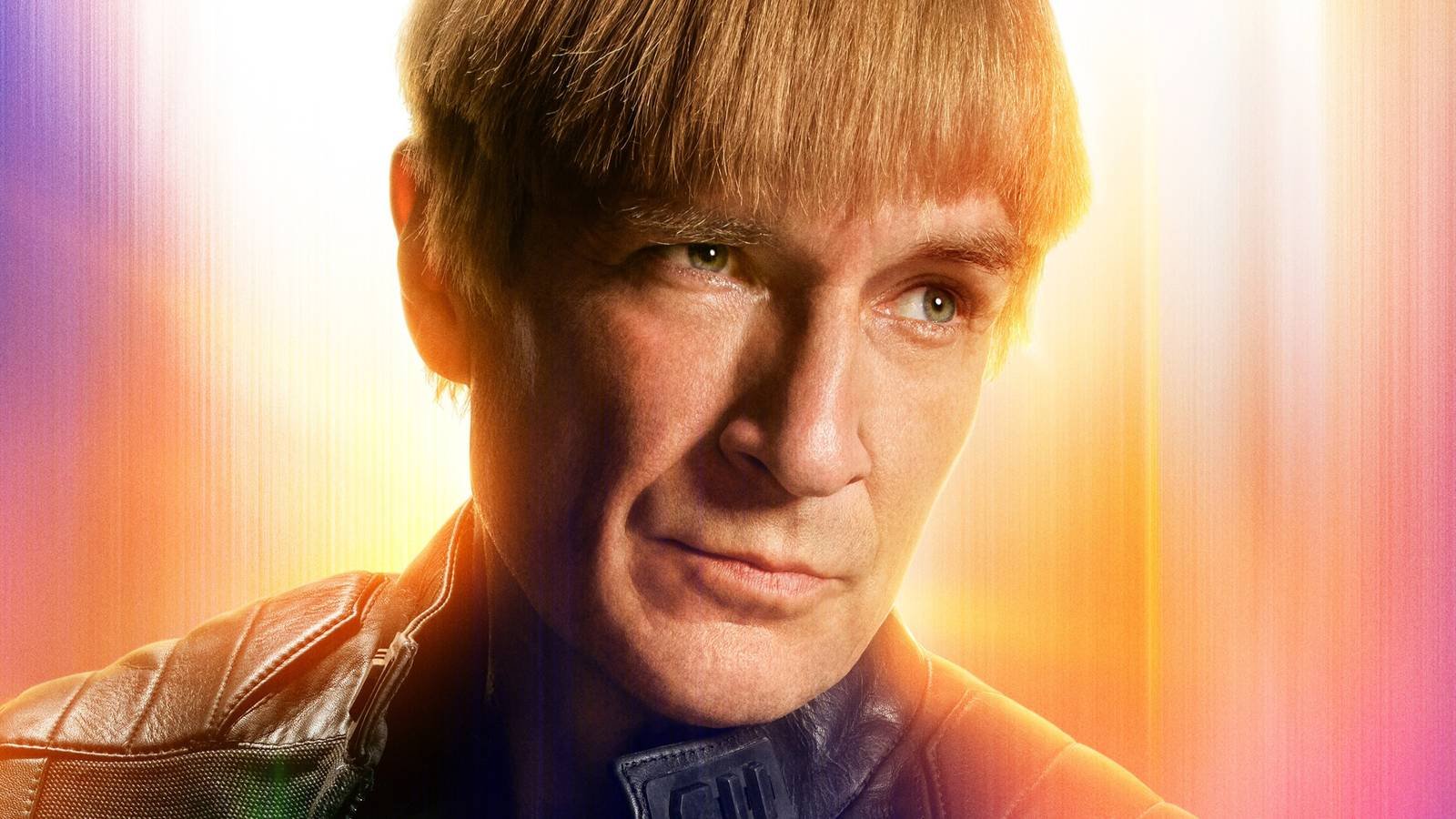
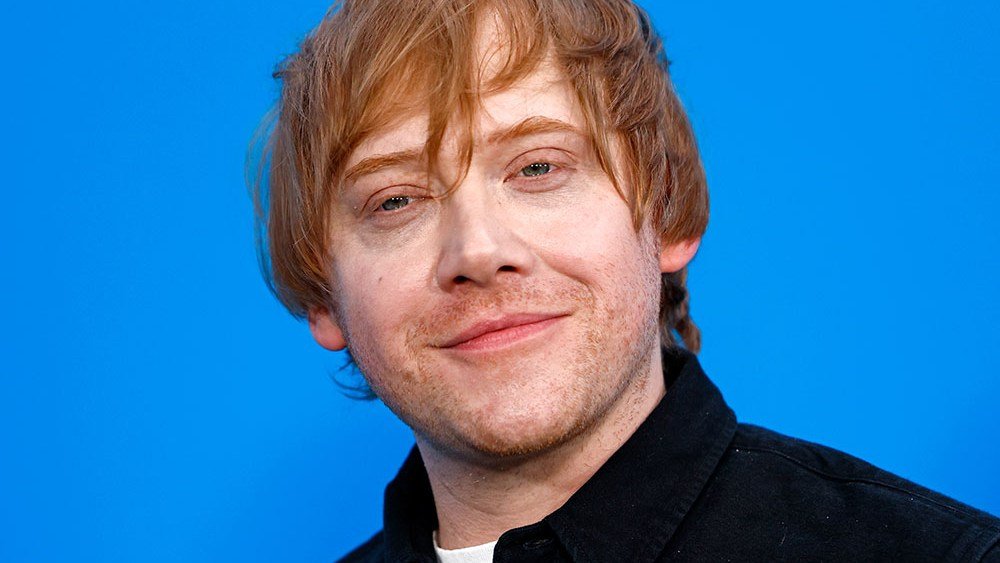
Durante uma coletiva de imprensa no prestigiado Festival de Cinema de Berlim, o ator Rupert Grint, mundialmente conhecido por seu papel como Ron Weasley na franquia "Harry Potter", foi questionado sobre o alarmante avanço do fascismo e das políticas de extrema-direita. Sua resposta foi direta e inequívoca: "Obviamente, sou contra isso." Este momento, que ocorreu em meio à promoção de seu novo filme de terror finlandês, "Nightborn," insere-se em uma tendência crescente onde figuras públicas, especialmente em plataformas de alto perfil como festivais de cinema internacionais, são cada vez mais solicitadas a se posicionar sobre questões políticas e sociais urgentes.
The Berlin Film Festival as a Platform for Political Discourse
The Berlin Film Festival, or Berlinale, has historically distinguished itself among major international film festivals for its strong political and social consciousness. Unlike some of its counterparts, which might prioritize glamour or commercial appeal, Berlinale often highlights films and discussions that challenge audiences and provoke thought on contemporary global issues. This tradition naturally extends to the press conferences, where journalists frequently probe actors and filmmakers not just about their artistic endeavors but also about their perspectives on the world's most pressing challenges. In an era where political polarization and social unrest are on the rise globally, the festival serves as a vital arena for artists to lend their voices to significant causes, offering a platform that transcends mere entertainment.
The questions posed to celebrities during such events are rarely random. They often reflect the broader socio-political climate and the role that public figures are expected to play in societal debates. For actors like Rupert Grint, who command significant public attention, their statements can carry considerable weight, influencing public opinion and raising awareness among their vast fan bases. This dynamic underscores the evolving relationship between celebrity culture, media scrutiny, and political engagement, where the line between entertainment and advocacy becomes increasingly blurred.
Understanding the Contemporary Rise of Far-Right Ideologies
The concern articulated by Grint, and indeed by many across the globe, regarding the rise of fascism and far-right politics is rooted in tangible shifts within the political landscape. These ideologies, characterized by extreme nationalism, authoritarianism, xenophobia, and often anti-democratic tendencies, have seen a resurgence in various forms across Europe, North America, and other parts of the world. This phenomenon is complex, driven by a confluence of factors including economic anxieties, perceived cultural threats, the erosion of trust in traditional institutions, and the pervasive spread of misinformation through digital channels. Political movements and parties espousing these views have gained electoral traction, entered mainstream discourse, and, in some cases, even secured governmental power, prompting widespread concern among human rights advocates, academics, and public figures.
Historical Roots and Modern Manifestations
Historically, fascism emerged in the early 20th century as a radical authoritarian ultranationalist political ideology. While its most infamous manifestations were in Nazi Germany and Fascist Italy, its core tenets—such as a belief in a hierarchical society, the supremacy of the state or a particular ethnic group, and the suppression of opposition through force—are adaptable. In the 21st century, these tenets often reappear in updated guises. Modern far-right movements may not always adopt the overt symbols or rhetoric of historical fascism but share underlying characteristics: a strong emphasis on national identity, often tied to ethnic purity; a rejection of globalization and multiculturalism; a distrust of mainstream media and institutions; and a tendency towards strongman leadership and anti-democratic sentiment. The digital age has also provided new avenues for these ideologies to spread and organize, leveraging social media to bypass traditional gatekeepers and reach disaffected populations.
The Impact and Responsibility of Celebrity Activism
When celebrities like Rupert Grint speak out on political issues, their statements inevitably spark debate about the role and impact of celebrity activism. On one hand, their vast platforms offer an unparalleled ability to raise awareness, mobilize support, and draw attention to critical issues that might otherwise be overlooked. A well-placed comment from a globally recognized star can instantly amplify a message, reaching millions who might not typically engage with political news. This can be particularly effective in encouraging younger demographics to become more informed and involved in civic life. Their visibility provides a powerful tool for advocacy and can challenge apathy by personalizing complex issues.
Navigating the Complexities of Public Opinion
However, celebrity political engagement is not without its challenges. Critics often argue that actors, by virtue of their profession, may lack deep expertise on complex political matters, potentially leading to oversimplified or misinformed statements. There's also the risk of alienating portions of their fanbase who hold differing political views, and some perceive such pronouncements as mere virtue signaling. Furthermore, the very act of a celebrity weighing in can sometimes divert attention from the substantive issues themselves to the personality making the statement. Navigating this landscape requires not only courage but also a degree of thoughtful articulation to ensure that the message resonates meaningfully without being dismissed as superficial or out of touch. Despite these complexities, the increasing expectation for public figures to take stances reflects a broader societal shift, where silence on critical issues can itself be seen as a form of complicity, particularly when fundamental values are perceived to be under threat.
Grint's Stance and the Thematic Resonance of 'Nightborn'
Rupert Grint's explicit condemnation of fascism comes as he promotes "Nightborn," a Finnish horror film. While the direct thematic link between a horror film and contemporary political extremism might not be immediately obvious without knowing the film's full plot, the genre of horror frequently explores societal anxieties, fears of the unknown, and the monstrous aspects of human nature. Often, the true horror in such films lies not in supernatural entities but in the darker elements within human society itself—themes of oppression, manipulation, and the erosion of individual freedoms, which can subtly or overtly echo concerns about authoritarianism and extremism. Grint's involvement in a film that delves into unsettling narratives, combined with his public statement, suggests a personal and professional alignment against forces that seek to control and dominate, whether through fantastical narratives or real-world political movements.
His statement, while brief, resonates powerfully because it grounds abstract political concepts in a human voice, reminding audiences that even widely admired public figures are not immune to the anxieties of the current geopolitical climate. It serves as a reminder that the fight against divisive ideologies is a collective responsibility, and that awareness and vocal opposition from all segments of society, including those in the entertainment industry, are crucial.
The rise of far-right ideologies and the challenges they pose to democratic values are topics that demand continuous scrutiny and discussion. For further in-depth analysis of global political trends, the intersection of culture and politics, and exclusive interviews with prominent figures, we invite you to explore more content on NAME OF SITE. Stay informed and engaged with our comprehensive coverage.
Fonte: https://variety.com