The dynamic landscape of DC Comics adaptations, both on the big and small screens, has undergone substantial transformation in recent years. Following the intricate narrative conclusion of the DC Extended Universe (DCEU), a multitude of planned projects found themselves in a state of limbo or outright cancellation, particularly in the lead-up to James Gunn's ambitious overhaul of the DC Universe (DCU). Amidst this period of significant change and strategic restructuring, a revelation from acclaimed filmmaker Emerald Fennell has sparked considerable intrigue: her crafting of a "demented" DC movie script. This disclosure not only highlights the evolving creative directions within the superhero genre but also underscores the potential for distinctive directorial voices to reshape established franchises, hinting at a new era where idiosyncratic artistic visions might find a home within the expansive DC mythology.
Emerald Fennell's Distinctive Artistic Vision
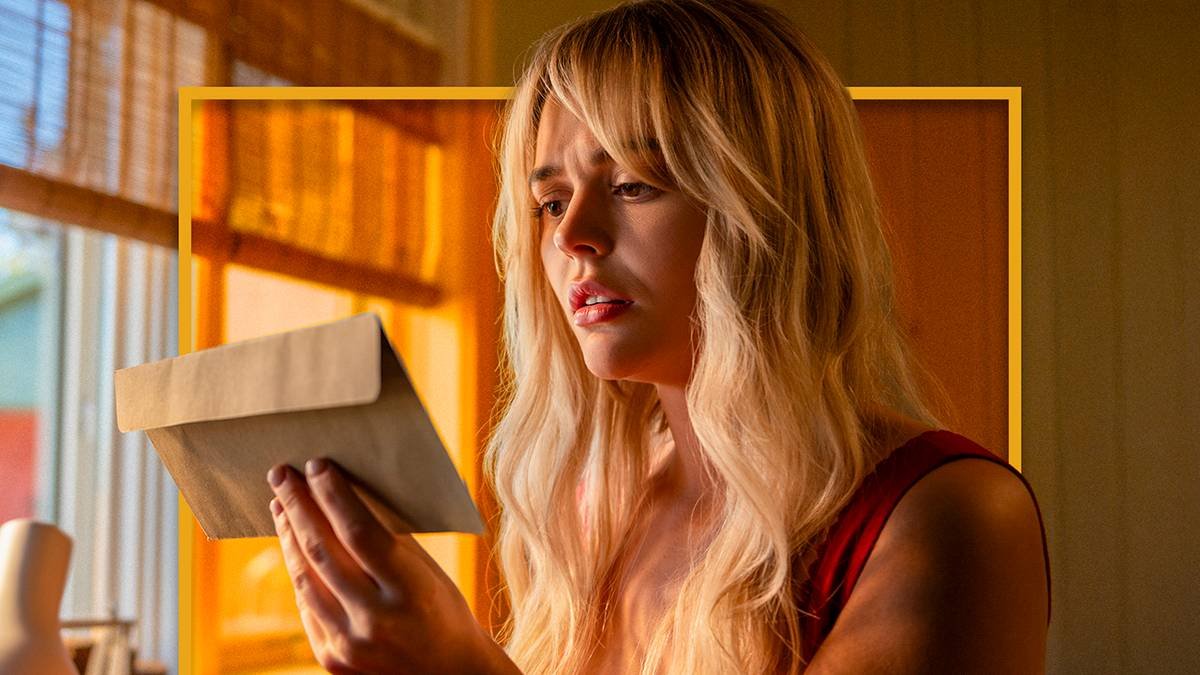
Emerald Fennell has rapidly cemented her reputation as a filmmaker with a remarkably unique and often provocative voice. Best known for her Oscar-winning screenplay for <i>Promising Young Woman</i> (2020) and her recent critically acclaimed satirical thriller <i>Saltburn</i> (2023), Fennell demonstrates a compelling knack for exploring complex psychological themes, gender dynamics, and the darker undercurrents of societal expectations. Her work is characterized by sharp wit, stylistic flair, and an unflinching willingness to delve into uncomfortable truths, often wrapped in visually striking and aesthetically pleasing packages. Prior to her directorial successes, Fennell also gained widespread recognition for her acting roles, notably portraying Camilla Shand (later Parker Bowles) in the acclaimed Netflix series <i>The Crown</i>. Her diverse portfolio underscores a versatile talent deeply engaged with storytelling that challenges conventions and prompts introspection.
The descriptor "demented" attributed to her DC script, therefore, aligns perfectly with her established artistic brand. It suggests a narrative approach far removed from the conventional superhero tropes, hinting at a potentially subversive, dark, or psychologically intense exploration of a DC character or storyline. For a director like Fennell, who thrives on pushing boundaries and subverting audience expectations, the vast and often dark corners of the DC universe present fertile ground for her distinctive narrative sensibilities. Her involvement, even in a developmental capacity, signals a potential willingness by DC to embrace more auteur-driven and unconventional interpretations of its iconic characters.
The Shifting Sands of the DC Cinematic Universe
To fully appreciate the context of Fennell's script, it is crucial to understand the monumental shifts occurring within the DC cinematic universe. For nearly a decade, the DCEU, initiated with Zack Snyder's <i>Man of Steel</i> (2013), aimed to build a sprawling, interconnected narrative akin to its comic book rival. However, a series of creative divergences, critical reception challenges, and box office inconsistencies led to its eventual winding down. The conclusion of this era meant that many projects, which had been in various stages of development or pre-production, were re-evaluated or scrapped entirely as Warner Bros. Discovery prepared for a new strategic direction. This period of transition created a landscape where previously greenlit or conceptualized films, even those with significant creative talent attached, often did not move forward to production.
The advent of James Gunn and Peter Safran as co-CEOs of DC Studios marked the beginning of a comprehensive reboot: the DC Universe (DCU). This new integrated universe aims to encompass film, television, animation, and video games under a singular, cohesive creative vision, starting with the announced "Chapter One: Gods and Monsters." This pivot necessitated a clean slate, leading to the cancellation or retooling of numerous projects that predated Gunn and Safran's tenure. It is within this turbulent, yet creatively fertile, environment that scripts like Fennell's would have emerged, perhaps during the interim period where new ideas were being explored before the finalization of the DCU's definitive slate.
Potential Implications of a 'Demented' DC Story
Fennell's description of her script as "demented" for DC is particularly exciting because it promises a departure from the often formulaic approaches seen in superhero cinema. Given her track record, such a script might explore the psychological toll of heroism, the inherent darkness in certain DC characters, or even a satirical deconstruction of the genre itself. Imagine a DC narrative through Fennell’s lens: perhaps a morally ambiguous anti-hero grappling with societal hypocrisy, or a villain whose motivations are disturbingly human and relatable. Her expertise in crafting compelling female protagonists could also suggest a fresh take on characters like Poison Ivy, Catwoman, or even a lesser-known heroine, imbuing them with the complex layers and challenging perspectives that are hallmarks of her work. Such an approach could push the boundaries of what audiences expect from a superhero film, inviting deeper thought and discussion.
Fennell's Broader Creative Portfolio and Future Endeavors
While the "demented" DC script remains a tantalizing what-if for many fans, Emerald Fennell continues to expand her creative footprint across various mediums. Her work on films like <i>Promising Young Woman</i> and <i>Saltburn</i> has solidified her reputation as a director and writer to watch. The mention of her DC script ahead of her *Wuthering Heights* release (though this specific project's status needs clarification in 2024 as she has not directed a Wuthering Heights film but has a strong literary background), emphasizes her diverse interests and her ability to navigate both contemporary and classical narratives. Her ongoing engagement with projects that span different genres and thematic territories highlights a filmmaker consistently challenging herself and her audience. This versatility is precisely what makes her a sought-after talent, capable of bringing fresh perspectives even to established franchises.
The revelation of her DC script, regardless of its current production status within the new DCU framework, signifies a broader trend in Hollywood: the increasing embrace of distinctive auteur voices within major intellectual properties. Studios are recognizing the value of directors who can imbue blockbuster narratives with unique stylistic signatures and thematic depth, moving beyond a purely formulaic approach. This trend suggests a promising future for franchise cinema, where artistic integrity and commercial appeal can coalesce to create truly memorable and impactful cinematic experiences. Fennell stands as a prime example of a creator who could bridge this gap, offering a vision that is both artistically resonant and potentially appealing to a wide audience seeking more than just standard superhero fare.
The Future of Auteur-Driven Franchise Films
The prospect of Emerald Fennell's "demented" DC script, even if it never sees the light of day in its original form, serves as a significant indicator of the evolving relationship between unique directorial visions and massive cinematic franchises. Historically, large-scale superhero projects were often seen as director-for-hire endeavors, where individual artistic styles were sometimes subsumed by brand guidelines and corporate mandates. However, recent trends, exemplified by successes like Taika Waititi's work on Marvel's <i>Thor</i> films or the distinctive takes by directors like Matt Reeves on <i>The Batman</i>, demonstrate a growing appetite for filmmakers who can stamp their personal style onto established universes. This shift allows for a richer tapestry of storytelling, inviting diverse perspectives that can reinvigorate well-known characters and expand their appeal to new demographics.
Fennell’s potential involvement with DC is not just about her specific script, but about the precedent it sets. It suggests that DC Studios, under its new leadership, might be open to, or at least exploring, narratives that challenge the status quo, pushing beyond traditional superhero archetypes into more complex, character-driven, and even unsettling territory. For fans weary of repetitive formulas, the embrace of such distinctive voices offers hope for a more varied, sophisticated, and ultimately more compelling future for the genre. It's a testament to the power of original thought and the belief that even the most established franchises can benefit from a fresh, and perhaps a little "demented," perspective.
The conversation surrounding Emerald Fennell's foray into the DC universe, even if conceptual, underscores the continuous evolution of comic book adaptations. As the DCU forges its new path, the potential for groundbreaking, unconventional storytelling remains a beacon for fans and critics alike. To delve deeper into the intricate workings of the DC cinematic universe, explore analyses of emerging directorial talents, and stay abreast of the latest news in entertainment, continue browsing NAME OF SITE. We offer a wealth of in-depth articles, exclusive interviews, and expert commentary designed to keep you informed and engaged with the ever-changing world of film and television.
Fonte: https://screenrant.com