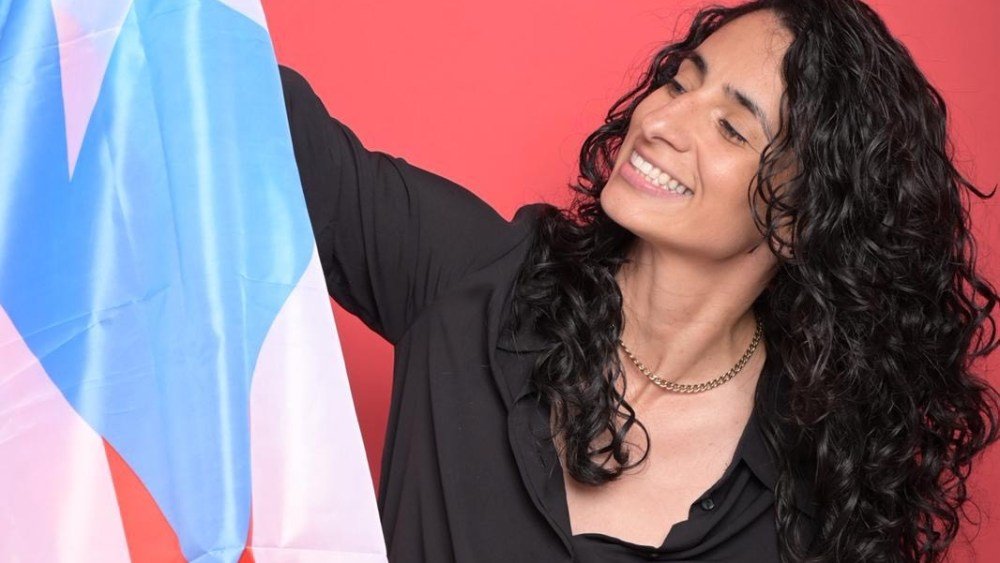
The atmosphere was electric at Eco’s Sports Park in San Juan last Sunday night. As millions across the United States tuned into Super Bowl LX, a unique sense of anticipation filled the air for many within Puerto Rico’s Deaf community. Friends, family members, and dedicated interpreters gathered, their focus not solely on the football game or the iconic halftime show, but on a groundbreaking moment of representation. They were there to witness the appearance of Bad Bunny’s sign language interpreter, a figure who, in a few fleeting minutes, would amplify the voices and experiences of a community often overlooked, while simultaneously instilling immense pride in their island nation.
The Unseen Work Behind the Spotlight
While Bad Bunny captivated the global audience with his electrifying performance, an equally vital act of communication unfolded alongside him. The role of a sign language interpreter during a high-profile event like the Super Bowl halftime show extends far beyond mere translation; it is a meticulous craft demanding precision, cultural fluency, and an ability to convey not just words, but emotion and rhythm. The interpreter for Bad Bunny faced the immense challenge of adapting the vibrant, often nuanced lyrics and stage presence of the global superstar into American Sign Language (ASL), ensuring that the performance was fully accessible to Deaf and hard-of-hearing viewers. This preparation involves extensive practice, understanding the artist's style, and even choreographing movements to match the music's tempo and feel, transforming a visual spectacle into a truly inclusive experience.
Bridging Cultures and Sounds
Bad Bunny's music is deeply rooted in Latin American culture, blending reggaeton, trap, and various Caribbean influences. His lyrics often carry profound social commentary and cultural references. The interpreter’s task was not just to sign English or Spanish words, but to convey the essence of his artistry and the cultural vibrancy inherent in his performance. This demands a deep understanding of both ASL and the specific cultural context of the music, allowing Deaf audiences to connect with the artist on a more profound level. This act of bridging linguistic and cultural divides in real-time on such a massive stage highlights the interpreter's exceptional skill and dedication, making the performance resonate with a broader, more diverse audience.
A Beacon of Pride for Puerto Rico
The collective gathering at Eco's Sports Park was more than just a viewing party; it was a testament to community and shared identity. For the Deaf community in Puerto Rico, this moment was profoundly significant. Representation at such a global event validates their experiences and brings much-needed visibility to their unique challenges and contributions. Puerto Rico, a U.S. territory, often grapples with complex sociopolitical issues, including economic disparities and the aftermath of natural disasters. In this context, any moment of global recognition and positive representation becomes a powerful source of national pride and collective affirmation.
The Spirit of Resilience: 'We Fight Very Hard'
The sentiment, “We’re a small island, but we fight very hard,” encapsulates the enduring spirit of Puerto Rico. This resilience is forged through centuries of colonial history, economic struggles, and more recently, devastating hurricanes and earthquakes that have severely impacted the island's infrastructure and its communities, including the Deaf population. For the Deaf community, these challenges are often compounded by issues of accessibility to information, emergency services, and educational resources. Witnessing one of their own, or an ally for their cause, on such a prominent stage, sends a message of hope and strength, reinforcing the idea that despite adversity, their voices, in all their forms, are powerful and deserve to be heard globally.
Advancing Accessibility and Inclusion
The Super Bowl LX halftime show featuring a dedicated sign language interpreter for a superstar like Bad Bunny marks another significant step forward in the broader movement for accessibility and inclusion. While ASL interpreters have become increasingly common at major public events, their prominent placement and high-quality delivery remain crucial. This practice moves beyond mere compliance with disability rights legislation, such as the Americans with Disabilities Act (ADA), to genuinely embrace and celebrate diversity. It educates the hearing audience about the importance of sign language and fosters a more inclusive society where entertainment and cultural experiences are truly universal. Such moments serve as powerful reminders that accessibility is not an add-on but an integral component of a fair and equitable society, allowing every individual to participate fully in public life and cultural events.
The presence of Bad Bunny’s interpreter at Super Bowl LX was far more than a technical service; it was a cultural touchstone. It celebrated Puerto Rican pride, empowered the Deaf community, and underscored the ongoing commitment to making global spectacles accessible to all. From the vibrant energy of San Juan's Eco’s Sports Park to millions of screens worldwide, this moment resonated as a powerful statement of inclusion and resilience. To delve deeper into the impact of cultural representation, accessibility initiatives, and the stories shaping our world, continue exploring the in-depth analyses and compelling narratives right here on Global Insights Today.
Fonte: https://variety.com