The captivating figure of the vampire has haunted human imagination for centuries, manifesting in folklore, literature, and, perhaps most powerfully, in cinema. Since its earliest days, from the shadowy sets of German Expressionist cinema to the bustling studios of Hollywood's silent era, the vampire film has been a cornerstone of horror and fantasy genres. This rich cinematic history, stretching back to iconic portrayals like Max Schreck's Count Orlok in F.W. Murnau's 1922 masterpiece *Nosferatu*, has seen the undead undergo countless transformations. Now, as we look towards 2026, the anticipation for Luc Besson's *Dracula: A Love Tale* signifies yet another intriguing evolution, promising a narrative that, by its very title, suggests a significant departure from traditional vampire lore, leaning instead into the lush complexities of Gothic romance.
The Undying Appeal of the Undead
The vampire's perennial appeal lies in its multifaceted nature, tapping into profound human anxieties and desires. Immortality, forbidden desire, the allure of the dangerous 'other,' and the primal fear of the unknown all converge in this singular mythical creature. From John Polidori's Lord Ruthven in 'The Vampyre' (1819) to Sheridan Le Fanu's Carmilla (1872) and, most famously, Bram Stoker's Dracula (1897), the literary foundations laid the groundwork for a cinematic legend. Filmmakers have consistently found in the vampire a potent metaphor for everything from societal anxieties and sexual repression to the eternal struggle between good and evil, ensuring its relevance across different eras and cultural landscapes. This deep-seated fascination makes the genre ripe for reinterpretation, constantly challenging traditional boundaries.
Defining the Traditional Vampire Archetype
To fully appreciate the emergence of non-traditional vampire narratives, it's essential to understand the archetype they diverge from. The 'traditional' cinematic vampire is predominantly shaped by Stoker's Dracula: an aristocratic, often Eastern European noble with hypnotic charm, immense power, and an insatiable thirst for blood. These vampires typically possess a set of well-established weaknesses—vulnerability to sunlight, wooden stakes, holy water, garlic, and religious symbols. Classic film adaptations, such as Tod Browning's *Dracula* (1931) starring Bela Lugosi, and the numerous Hammer Horror productions, solidified this image: a predatory, monstrous figure, often a symbol of corruption and ancient evil, whose primary objective is to spread his curse or terrorize. This established framework provides a recognizable baseline against which all other vampire stories are often measured, highlighting how far modern interpretations have traveled.
The Emergence of Non-Traditional Vampire Cinema
As cinema evolved, so too did the desire to subvert established tropes and explore new narrative territories. Filmmakers began to deconstruct the traditional vampire, often stripping away the aristocratic veneer and examining the creature's existence through different lenses. This shift was fueled by a yearning for fresh storytelling, a desire to use the vampire as a more versatile metaphor, and perhaps a reflection of changing societal values. Non-traditional vampires differ significantly: they might be reluctant protagonists burdened by their immortality, comedic figures navigating mundane human life, or even social outcasts struggling for acceptance. Their mythologies are often reimagined, their weaknesses altered, and their motivations expanded beyond simple bloodlust. This willingness to experiment has opened the genre to a breathtaking array of thematic explorations, from existential dread to romantic longing, making the vampire an incredibly flexible cinematic device.
*Dracula: A Love Tale* and the Gothic Romance Revival
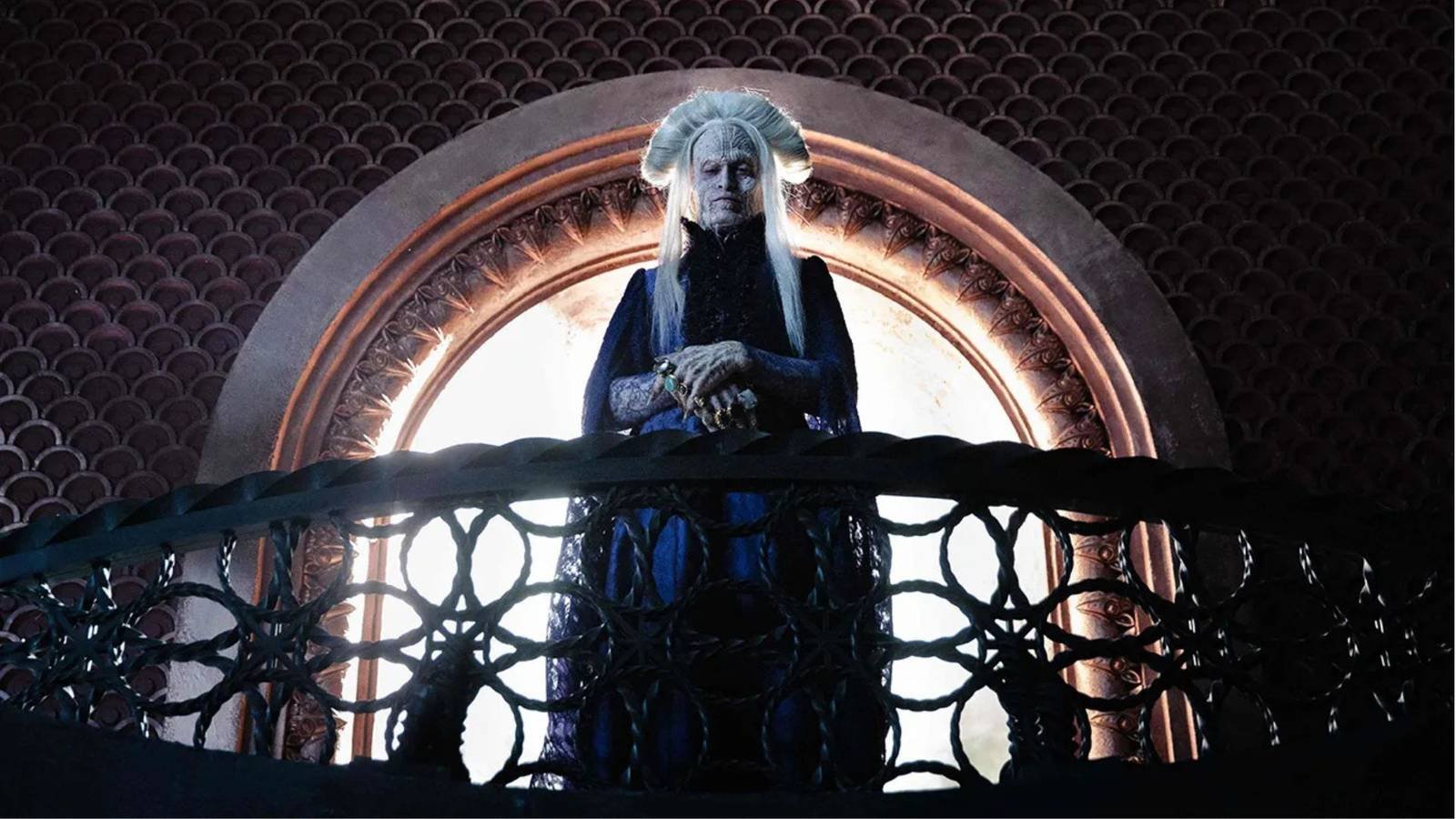
Luc Besson's upcoming *Dracula: A Love Tale* stands as a compelling example of this genre evolution. The title itself signals a distinct thematic pivot, suggesting that while the iconic character of Dracula remains central, the focus will shift dramatically towards the emotional core of a 'love tale.' This leans heavily into the Gothic romance tradition, a genre characterized by intense emotion, passion, often dark and mysterious settings, and a pervasive sense of melancholy or doom. Unlike conventional horror that prioritizes fright, Gothic romance delves into psychological depth, exploring forbidden desires, tragic destinies, and the often blurred lines between love and obsession. Besson, known for his visually striking and emotionally charged films, is poised to offer an interpretation that likely humanizes Dracula, delving into his motivations and perhaps even his heartbreak, rather than merely presenting him as a monstrous antagonist. This approach contrasts sharply with purely horror-centric adaptations and even differentiates it from Francis Ford Coppola's *Bram Stoker's Dracula* (1992), which, while rich in romanticism, still retained many classic horror elements.
Exploring the Diverse Landscape of Modern Vampire Interpretations
The landscape of non-traditional vampire cinema is vast and varied, showcasing the incredible adaptability of the myth. These films often reflect contemporary anxieties, societal shifts, and artistic innovation, offering audiences more than just a scare. They compel us to reconsider what it truly means to be immortal, to be an outsider, or to grapple with monstrous impulses.
The Humanized Vampire: Burden and Empathy
One prominent trope in non-traditional vampire films is the humanized vampire, often portrayed as a tragic figure burdened by immortality and moral quandaries. Films like Neil Jordan’s *Interview with the Vampire* (1994) present vampires grappling with their nature, seeking companionship, and questioning the morality of their existence. Jim Jarmusch’s *Only Lovers Left Alive* (2013) offers a poetic look at ancient vampires as cultured, melancholic artists, disillusioned with humanity but still finding solace in love and art. Similarly, Neil Jordan's *Byzantium* (2012) explores a mother-daughter vampire duo navigating survival and love in modern society, using their vampirism as a metaphor for resilience and unconventional familial bonds.
The Reluctant and Comedic Vampire: Subverting Expectations
Another compelling deviation involves portraying vampires in comedic or surprisingly mundane scenarios, stripping away their inherent menace. Taika Waititi and Jemaine Clement's *What We Do in the Shadows* (2014) brilliantly mines humor from the everyday struggles of vampire flatmates trying to cope with modern life, council meetings, and fashion choices. Ana Lily Amirpour's *A Girl Walks Home Alone at Night* (2014) presents a solitary female vampire who, despite her deadly nature, acts as a vigilante protecting vulnerable women, blurring the lines between predator and protector in a visually unique, Iranian-Western setting. These films highlight that even creatures of the night can be relatable, or at least amusingly inept, when placed in the right context.
Vampires as Societal Commentary: The Outsider's Perspective
Filmmakers have also effectively used vampires as a lens for societal commentary, exploring themes of marginalization, addiction, and the hidden underbelly of society. *Blade* (1998), for instance, reimagines the vampire as a global, organized threat, but its protagonist, Blade, is himself a half-vampire, battling his own nature while fighting for humanity. Kathryn Bigelow's *Near Dark* (1987) presents a nomadic gang of savage vampires as a counter-cultural, disenfranchised group, reflecting anxieties about social outcasts and the erosion of traditional values. *Let the Right One In* (2008), a Swedish masterpiece, uses a child vampire to explore themes of bullying, loneliness, and unconditional love, with the vampirism serving as a poignant metaphor for a lonely child's desperate need for connection.
The Future of the Fanged: Endless Reimaginations
The enduring power of the vampire myth lies in its remarkable adaptability. As long as there are human stories to tell—of love, loss, power, fear, and transformation—the vampire will continue to be a compelling canvas for cinematic expression. Non-traditional vampire movies, like Luc Besson's forthcoming *Dracula: A Love Tale*, ensure that the genre remains vibrant, challenging audiences to look beyond the fangs and examine the deeper complexities of life, death, and everything in between. They remind us that even the oldest myths can find new voices, new meanings, and new ways to reflect the ever-changing human experience.
Dive deeper into the fascinating world of cinema with NAME OF SITE. From genre analysis to exclusive interviews, our extensive collection of articles offers unique insights into the movies that shape our culture. Explore our archives today to discover more in-depth content and stay ahead of the curve on all things film!
Fonte: https://screenrant.com