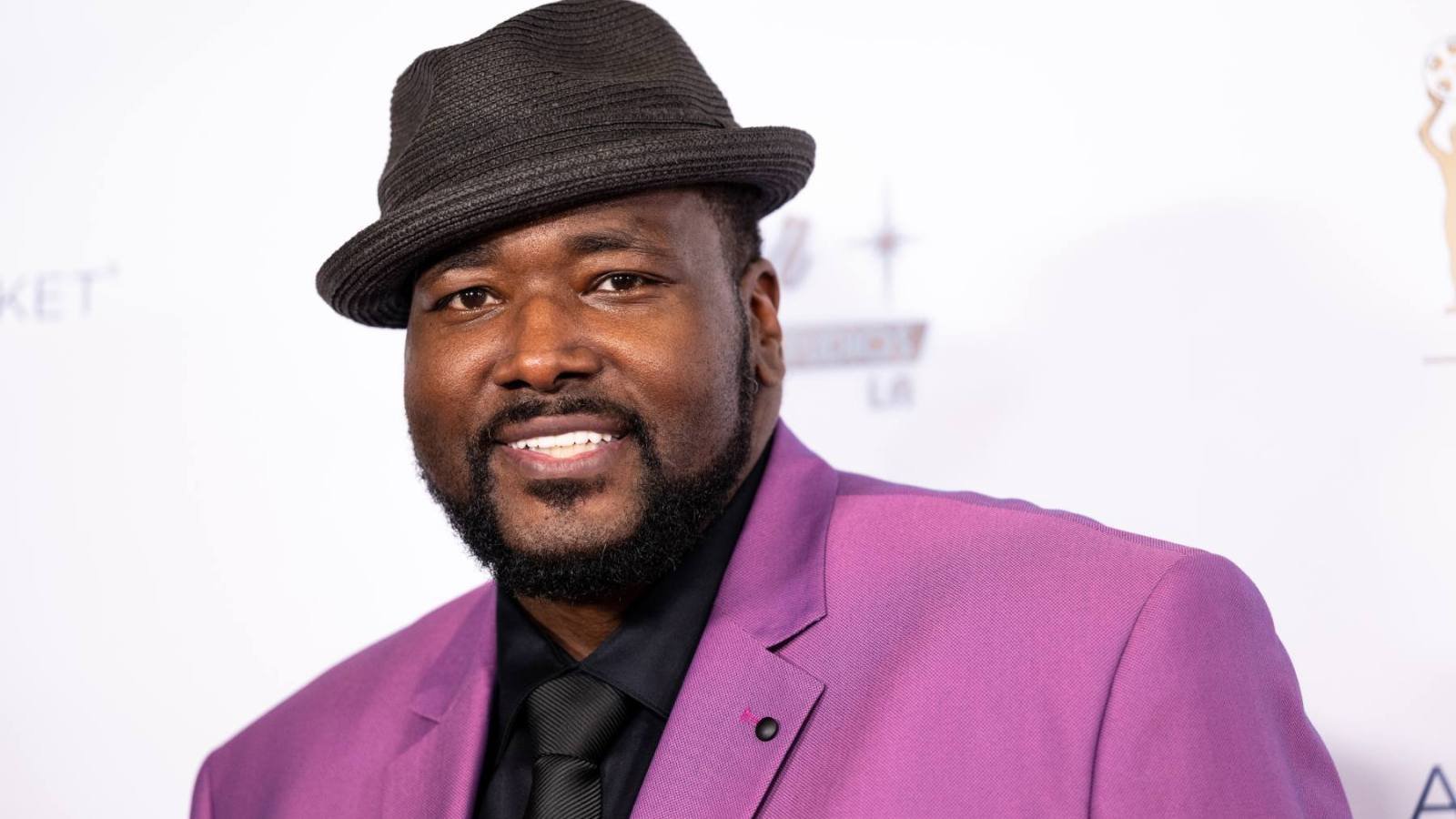
Quinton Aaron, the actor widely recognized for his poignant portrayal of Michael Oher in the critically acclaimed film 'The Blind Side,' has recently faced a significant health challenge, suffering a spinal stroke. The news comes after earlier reports indicated he had been placed on life support due to a severe blood infection. While the initial reports sparked widespread concern, recent updates from his representatives confirm that Aaron is now 'alert, aware, and recovering,' offering a beacon of hope for his many fans and the broader entertainment community. This serious health event underscores the fragility of life and the often-unpredictable nature of medical emergencies, even for public figures.
Quinton Aaron: From Cinematic Triumph to Personal Ordeal
Before this recent health crisis, Quinton Aaron was best known for his powerful performance in the 2009 biographical drama 'The Blind Side,' where he starred opposite Sandra Bullock. His portrayal of Michael Oher, a homeless and traumatized teenager who finds a loving family and achieves success in American football, resonated deeply with audiences and critics alike, launching Aaron into the public eye. The film itself was a tremendous success, earning an Academy Award for Best Actress for Bullock and nominations for Best Picture. Beyond this landmark role, Aaron has maintained a presence in film and television, taking on diverse roles and working on various independent projects. His journey from aspiring actor to a celebrated talent has been inspiring, making the news of his health struggles particularly poignant for those who followed his career.
The transition from a high-profile acting career to grappling with severe medical issues highlights the universal human experience of vulnerability. For public figures like Aaron, such personal battles often unfold under intense scrutiny, yet they also serve as a reminder of the importance of health and well-being. His resilience, as indicated by the positive update on his recovery, is a testament to both his personal strength and the efficacy of the medical care he has received during this challenging period.
Understanding a Spinal Stroke: A Rare and Serious Condition
A spinal stroke, medically known as spinal cord infarction, occurs when the blood supply to the spinal cord is interrupted, leading to damage of nerve cells. Unlike a cerebral stroke, which affects the brain, a spinal stroke specifically impacts the intricate network of nerves running through the spine. This interruption can be caused by a blockage (ischemic stroke) or bleeding (hemorrhagic stroke) in the arteries supplying the spinal cord. While far less common than brain strokes, affecting only about 1% of all stroke cases, its consequences can be equally devastating, potentially leading to paralysis, sensory loss, and impaired bladder or bowel control, depending on the affected region of the spinal cord.
The symptoms of a spinal stroke can vary widely but often include sudden, severe back pain, weakness or paralysis in the legs (paraplegia) or all four limbs (quadriplegia), numbness, tingling, and difficulties with balance or coordination. Prompt medical attention is critical, as early diagnosis and treatment can significantly impact the outcome. Diagnosis typically involves neurological examination, MRI scans of the spine, and sometimes spinal angiography to pinpoint the exact location and nature of the vascular insult. Understanding the mechanisms behind spinal strokes is crucial for both medical professionals and the public to ensure timely intervention and appropriate long-term care.
Connecting the Dots: Infection, Life Support, and Stroke
The initial reports of Quinton Aaron being on life support due to a blood infection provide a crucial piece of the puzzle in understanding his recent health trajectory. A severe blood infection, also known as sepsis, is a life-threatening condition that arises when the body's response to an infection damages its own tissues and organs. Sepsis can lead to a cascade of complications, including septic shock, organ failure, and severe inflammation throughout the body. In some critical cases, severe systemic inflammation and associated blood clotting abnormalities can indeed contribute to the development of ischemic events, such as a stroke, by impairing blood flow to vital organs, including the spinal cord.
While the exact chronological link between Aaron's blood infection, his period on life support, and the subsequent spinal stroke has not been fully detailed, it is plausible that the severe systemic stress and physiological changes induced by the infection played a role in precipitating the spinal cord infarction. Being on life support signifies a critical state where the body's essential functions require mechanical or pharmacological assistance. For Aaron to have progressed from such a perilous condition to being 'alert, aware, and recovering' after a spinal stroke underscores the intensity of his medical journey and the complex interplay of various severe health challenges.
The Road to Recovery: What 'Alert, Aware, and Recovering' Truly Means
The update that Quinton Aaron is 'alert, aware, and recovering' signifies a positive turn in a serious medical situation, but it also marks the beginning of a potentially long and arduous rehabilitation process. 'Alert' means he is conscious and responsive to his environment, while 'aware' suggests he understands his surroundings and situation, indicating good cognitive function. 'Recovering' implies he is making progress, but the extent of recovery from a spinal stroke is highly individual and depends on numerous factors, including the severity of the initial damage, the location of the stroke, and the intensity and duration of rehabilitation efforts.
Rehabilitation typically involves a multidisciplinary approach, incorporating physical therapy to regain strength and mobility, occupational therapy to improve daily living skills, and potentially speech therapy if there are any associated communicative challenges. Psychologists and social workers often play a vital role in addressing the emotional and mental health aspects of coping with a life-altering event. For someone who has experienced a spinal stroke, recovery can involve relearning basic motor functions, adapting to new physical limitations, and managing chronic pain or spasticity. Aaron's current status provides a hopeful outlook, emphasizing the importance of early intervention and dedicated therapeutic support in the journey toward regaining independence and quality of life.
Raising Awareness: Prioritizing Spinal Health and Early Intervention
Quinton Aaron's experience serves as a stark reminder of the importance of recognizing the signs of serious health conditions, including strokes and severe infections. While spinal strokes are rare, being aware of their symptoms can be life-saving. Any sudden onset of severe back pain accompanied by neurological deficits such as weakness, numbness, or difficulty moving limbs warrants immediate emergency medical attention. Furthermore, the progression from a blood infection to a life-threatening state, potentially leading to a stroke, highlights the critical need for prompt diagnosis and aggressive treatment of infections to prevent systemic complications like sepsis.
Beyond immediate crisis management, this situation underscores the broader importance of proactive health management. Regular medical check-ups, maintaining a healthy lifestyle, and being vigilant about changes in one's body are essential for early detection and prevention of various ailments. As Aaron navigates his recovery, his journey can inspire greater public awareness about the complexities of neurological health and the often-overlooked vulnerabilities of the spinal cord, emphasizing that health is a continuous journey requiring constant attention and care.
Quinton Aaron's journey from a life-threatening medical emergency to a path of recovery is a testament to resilience and the power of modern medicine. As he continues his recuperation, the public eagerly awaits further positive updates on his condition. For more in-depth analyses of celebrity health news, comprehensive medical explanations, and inspiring recovery stories, be sure to keep browsing NAME OF SITE, your trusted source for informative and impactful content.
Fonte: https://www.rollingstone.com