
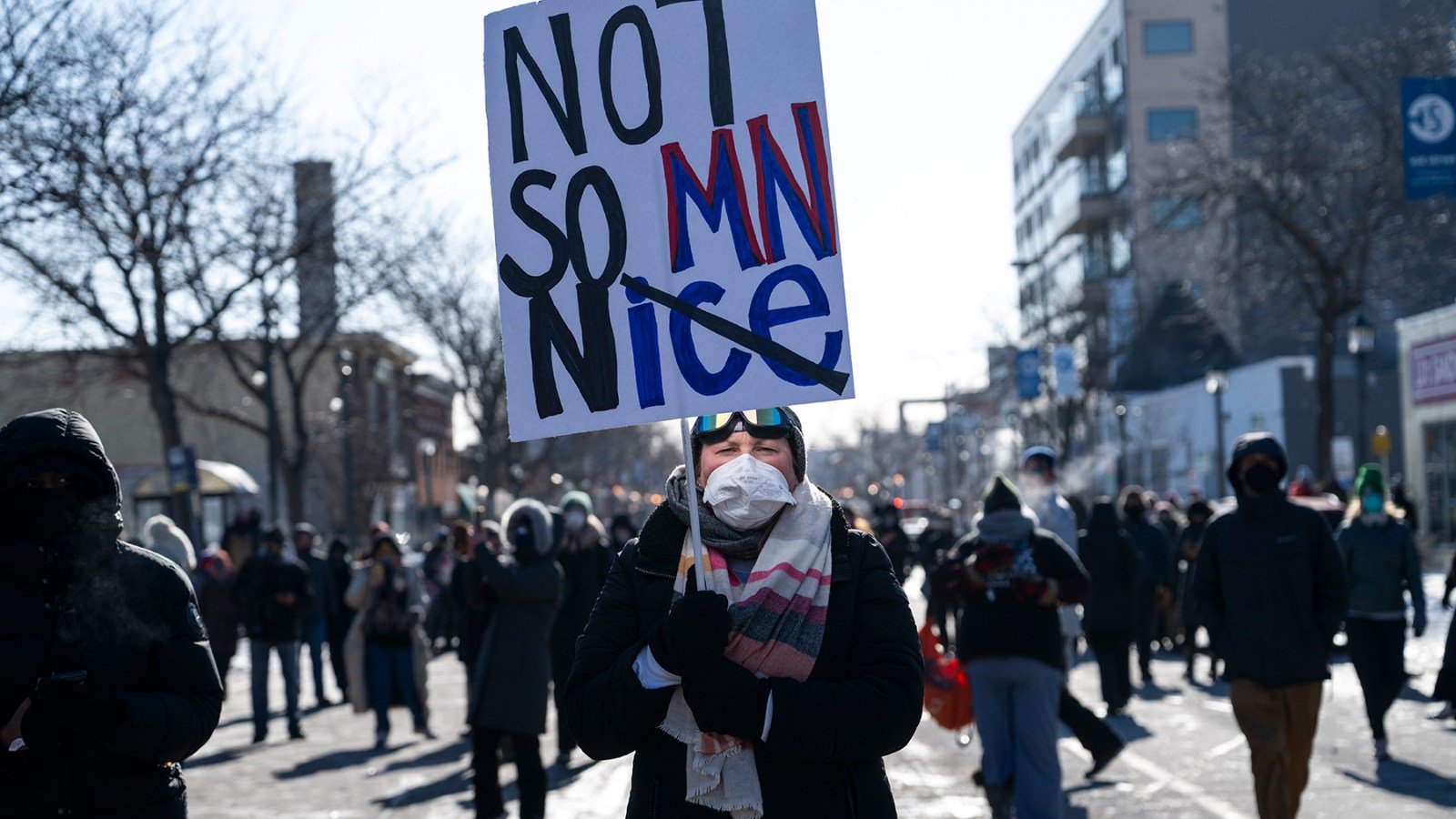
As ruas de Minneapolis após o assassinato de Alex Pretti, em fotos
Minneapolis finds itself at a pivotal crossroads, grappling with the profound aftermath of a tragic incident that has ignited widespread anger and calls for accountability. The fatal shooting of Alex Pretti by U.S. Immigration and Customs Enforcement (ICE) agents has sent shockwaves through the community, intensifying an already fraught national debate surrounding immigration enforcement tactics. Far from succumbing to despair, the city's residents have mobilized, transforming their grief into a resolute demand for justice and a reevaluation of the methods employed in federal immigration operations. This deeply personal tragedy has thus become a public crucible, testing the community's resilience and its commitment to defending human rights in the face of perceived government overreach.
The Incident: A Fatal Encounter and Its Immediate Repercussions
The incident leading to Alex Pretti's death remains a contentious point of discussion and ongoing investigation. Reports indicate that ICE agents were conducting an operation targeting individuals for immigration-related arrests when the encounter with Pretti occurred. While official accounts often emphasize the perceived necessity of force in such situations, witness testimonies and community narratives frequently paint a different picture, raising questions about de-escalation protocols, the proportionality of the response, and the inherent dangers of these enforcement actions in densely populated civilian areas. The immediate aftermath saw an outpouring of grief and outrage, with spontaneous gatherings quickly escalating into sustained protests across various Minneapolis neighborhoods, signaling a community unwilling to accept the official narrative without rigorous scrutiny.
Community Mobilization: A City Unyielding
The assertion that Minneapolis residents are 'not backing down' is evident in the sustained, diverse forms of civic engagement that have emerged since Pretti's killing. Neighborhoods have become hubs of activism, featuring peaceful demonstrations, vigils honoring Pretti's memory, and organized marches that traverse the city's thoroughfares. These actions are not merely reactive; they represent a deeply rooted commitment to civil liberties and a fierce protectiveness of all community members, regardless of immigration status. Local advocacy groups, civil rights organizations, and a broad coalition of interfaith leaders have joined forces, providing legal aid, emotional support, and platforms for amplified voices demanding transparency and policy reform. The collective action underscores a prevailing sentiment that such enforcement tactics undermine the social fabric and erode trust between residents and governmental agencies.
Voices from the Ground: Demands for Transparency and Justice
Activists and community leaders have been vocal in their demands, articulating a clear set of expectations. Key among these is a call for a comprehensive, independent investigation into the circumstances surrounding Alex Pretti's death, emphasizing that internal reviews by the involved agencies are insufficient to ensure impartiality. Furthermore, there are strong appeals for greater transparency regarding ICE's operational procedures, including mandates for body cameras, clear guidelines on the use of force, and improved communication with local authorities. Many residents advocate for a shift towards community-based solutions for immigration challenges, arguing that aggressive enforcement disproportionately impacts vulnerable populations and fosters an environment of fear rather than integration.
The Broader Context: Immigration Enforcement in the United States
Alex Pretti's death in Minneapolis must be understood within the broader context of an increasingly intensified and often controversial immigration crackdown across the United States. Since its inception in 2003, ICE has been tasked with enforcing federal immigration laws, a mission that has expanded significantly over the years. Critics argue that this expansion, coupled with evolving policy directives, has led to more aggressive tactics, including unannounced raids, increased detention, and a perceived blurring of lines between law enforcement and military-style operations. The term 'brutal immigration crackdown' reflects a widespread concern among human rights advocates that current policies prioritize enforcement at the expense of humanitarian considerations, often resulting in family separations, due process violations, and, in tragic cases like Pretti's, fatalities. Minneapolis is not an isolated incident but rather a potent localized manifestation of these national tensions.
The Debate Over Sanctuary Policies and Local Cooperation
The incident also reignites discussions about 'sanctuary city' policies and the extent of cooperation between local law enforcement and federal immigration agencies. Cities like Minneapolis often strive to create environments where immigrant communities feel safe reporting crimes and accessing public services without fear of deportation. The presence of federal agents conducting independent operations can severely undermine these efforts, fostering distrust and creating a chilling effect that makes communities less safe overall. The tension between federal mandates and local autonomy continues to be a central theme in these debates, with many advocating for local control over immigration enforcement within their jurisdictions.
Looking Ahead: A City's Resolve and the Path to Accountability
The streets of Minneapolis, once bustling with daily life, now echo with the voices of a community demanding change. The killing of Alex Pretti serves as a stark reminder of the human cost inherent in the current approach to immigration enforcement. The city's residents, alongside national advocates, are committed to ensuring that Pretti's death is not in vain, pushing for meaningful reforms that prioritize human dignity, due process, and accountability from all government agencies. The long-term impact on Minneapolis will depend on the degree to which these calls for justice are heard and acted upon, shaping both local policy and contributing to the national discourse on immigration. The struggle for resolution is ongoing, but the resolve of Minneapolis remains unwavering.
To delve deeper into the complexities of immigration policy, community activism, and ongoing civil rights struggles, continue exploring the comprehensive articles and investigative reports available on NAME OF SITE. Your engagement helps us bring vital stories to light.
Fonte: https://www.rollingstone.com