The highly anticipated second season of Amazon Prime Video's *Fallout* series has plunged viewers deeper into the irradiated wasteland, exploring complex moral landscapes and challenging conventional notions of good and evil. While initially presented as clear antagonists, certain revelations, particularly those in episode 6, "The Other Player," have ignited fervent discussions among fans regarding the potential for unexpected redemption arcs for characters like Hank MacLean and Barb Howard. This article contains significant spoilers for *Fallout* season 2, episode 6, and will delve into how these new insights redefine their roles within the post-apocalyptic narrative, pushing the boundaries of traditional villainy and heroism.
The Initial Portrayal: Architects of Evil or Desperate Survivors?
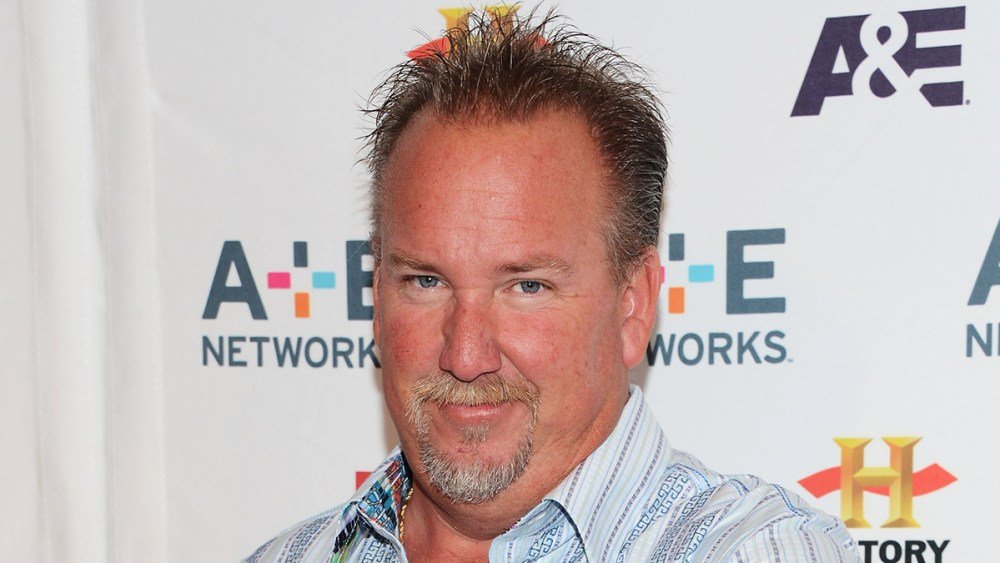
From the outset, Hank MacLean, the Overseer of Vault 33 and father to Lucy and Norm, was established as a figure shrouded in mystery and questionable motives. His abrupt and violent abduction of Lucy's mother, Rose, and the subsequent revelation of his past actions, including the bombing of Shady Sands, painted him as a ruthless and unfeeling operative of a shadowy organization. His stoic demeanor and unwavering commitment to the Vault-Tec ideology, even at the cost of countless lives, positioned him firmly in the antagonist's camp, a symbol of the oppressive and deceptive forces governing the wasteland from the shadows of the past.
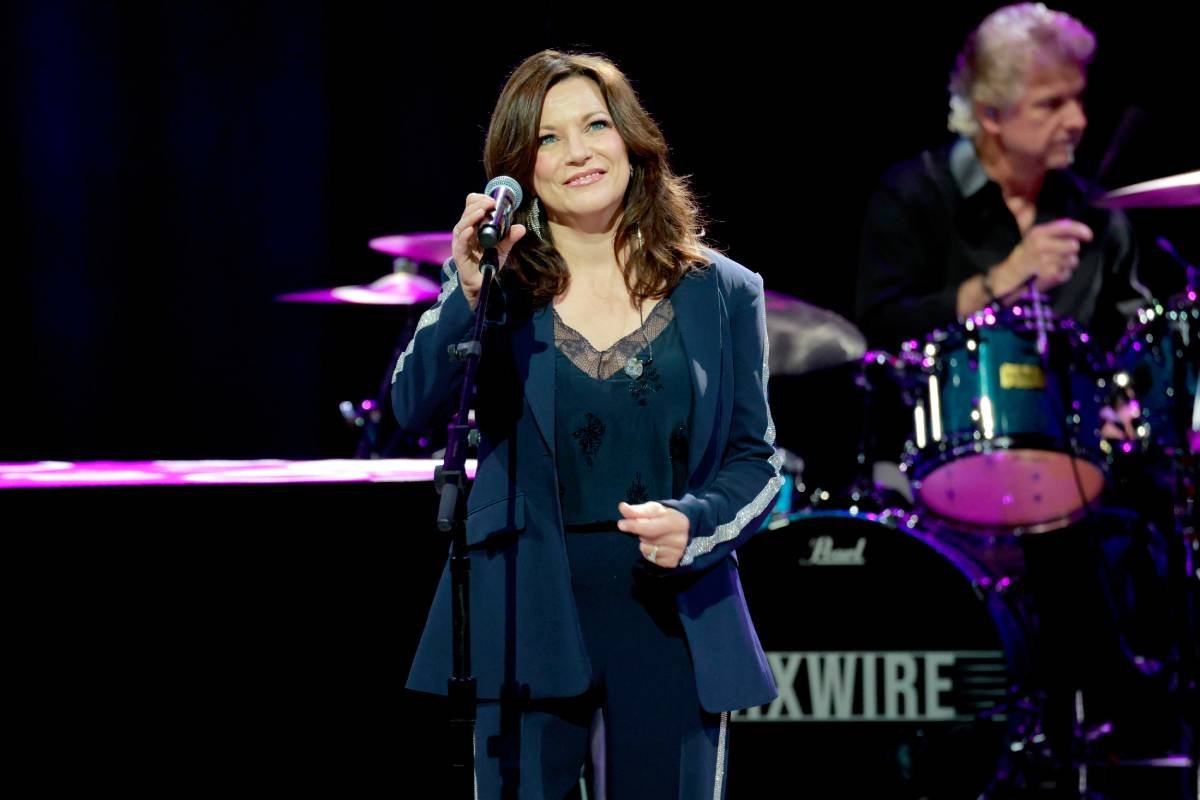
Similarly, Barb Howard, the pre-war wife of Cooper Howard (The Ghoul) and a high-ranking executive at Vault-Tec, has been posthumously implicated in the corporation's most nefarious schemes. Her involvement in the clandestine meetings and the chilling orchestration of the Great War, designed to ensure Vault-Tec's dominance, marked her as a key architect of the very apocalypse that reshaped humanity. Viewers primarily saw her through The Ghoul's bitter recollections and the incriminating evidence uncovered, solidifying her image as a cold, calculating individual whose ambition directly led to widespread devastation.
Hank's Nuanced Journey: Pragmatism, Loyalty, and Preservation
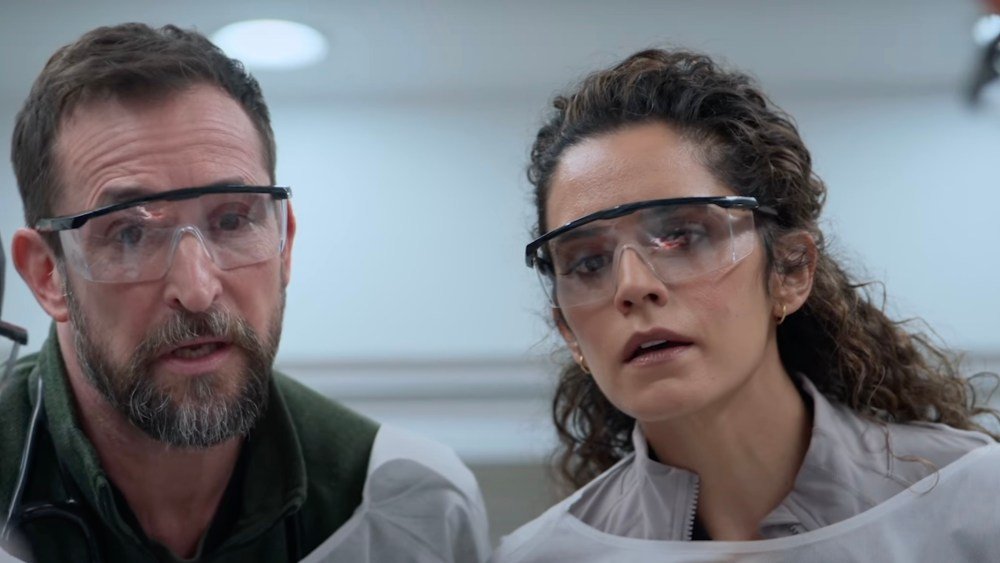
Episode 6 significantly complicates Hank's narrative, revealing him not merely as a Vault-Tec loyalist, but as an unwitting participant in a cryogenic experiment. Awakened decades after the war, Hank, like many other dwellers in Vault 31, was essentially a pawn, indoctrinated into preserving a specific vision of the old world. His actions, from protecting Vault 33 to his seemingly cruel decisions, can now be recontextualized as desperate attempts to maintain the fragile order he was programmed to uphold, believing it was for the greater good of a select few, even if it meant sacrificing others.
The bombing of Shady Sands, a pivotal moment in the first season, while undeniably horrific, is framed through the lens of strategic necessity from Vault-Tec's perspective—eliminating a burgeoning rival civilization that threatened their long-term plans for societal reconstruction. Hank’s participation, whether under duress or out of deep-seated loyalty to his indoctrinated mission, blurs the line between personal culpability and institutional obedience. This complexity suggests that his arc isn't a traditional 'redemption' in the sense of atoning for evil, but rather a tragic re-evaluation of a character who committed atrocities believing he was serving a higher purpose, making him a more pitiable, if not forgivable, figure.
Barb Howard: The Architect's Vision and Twisted Altruism
Barb's pre-war story offers an even deeper dive into the ideological underpinnings of the *Fallout* universe. Her role within Vault-Tec extended beyond mere corporate greed; she was instrumental in developing the Vault-Tec experiment, envisioning a future where humanity, albeit a selected and manipulated version of it, could endure. Her conviction stemmed from a profound, albeit misguided, belief in the necessity of preserving certain societal structures and intellectual heritage, even if it meant instigating an apocalypse to reset civilization on Vault-Tec's terms.
The concept of Vault 31, designed to preserve the 'best and brightest' of Vault-Tec's employees in cryogenic stasis, with others awakening periodically to 'manage' the wasteland, highlights Barb's ultimate goal: to shepherd humanity's future according to a pre-determined, albeit deeply flawed, plan. Her actions, while leading to unimaginable suffering, were rooted in a twisted form of altruism—a belief that she and her colleagues were making the difficult but necessary choices for the ultimate survival of humanity. This perspective doesn't absolve her of responsibility, but it does transform her from a one-dimensional villain into a tragic figure driven by a terrifyingly logical, yet morally bankrupt, vision.
The Nature of Redemption in the Wasteland
The *Fallout* universe has always thrived on moral ambiguity, and the potential 'redemption' arcs of Hank and Barb epitomize this theme. True redemption often implies a conscious recognition of wrongdoing and a subsequent effort to atone. For Hank, his actions are driven by programming and a deep-seated, if misplaced, loyalty. For Barb, her motivations spring from a pre-war worldview that prioritized a select form of human survival above all else, regardless of the ethical cost. Their stories are less about traditional redemption and more about the expansion of understanding—unearthing the complex motivations that drive characters in a world where survival often demands difficult and morally compromising choices.
The series challenges viewers to confront the uncomfortable truth that 'villains' are rarely born purely evil. Instead, they are often products of their environment, their beliefs, and the extreme pressures of their circumstances. In the harsh reality of the wasteland, the lines between hero and villain blur, and 'redemption' might simply mean a deeper comprehension of the forces that shaped their fates and the consequences of their actions, rather than an outright forgiveness. The nuanced portrayals of Hank and Barb force the audience to question their initial judgments and consider the gray areas that define morality in a post-apocalyptic world.
Impact on Viewer Perception
These revelations have a profound impact on how the audience perceives Hank and Barb. While their actions remain indefensible to many, the added context humanizes them to a degree. Hank transforms from a callous villain into a man struggling to uphold a deeply flawed ideology he was literally engineered to protect. Barb, meanwhile, becomes a stark embodiment of pre-war corporate hubris and a chilling commentary on the dangers of unchecked power and utilitarian ethics. This narrative complexity is a testament to the show's writing, which refuses to offer easy answers and instead invites viewers to wrestle with difficult moral questions, deepening the overall thematic richness of the *Fallout* series.
The series brilliantly uses these characters to explore the themes of legacy, indoctrination, and the cyclical nature of human folly. By revealing the layers beneath their seemingly villainous exteriors, *Fallout* season 2 elevates its storytelling, offering not just an entertaining adaptation but also a thought-provoking examination of what it means to be human in the aftermath of humanity's greatest mistake. These aren't simple redemption arcs; they are profound explorations of character, consequence, and the enduring struggle to define morality in a shattered world.
The intricate narratives surrounding Hank and Barb underscore *Fallout*'s commitment to complex character development, moving beyond simplistic good-vs-evil dichotomies. As the series progresses, understanding their full stories will be crucial to piecing together the larger puzzle of the wasteland's origins and future. For more in-depth analyses, exclusive interviews, and continuous coverage of your favorite shows and games, keep browsing NAME OF SITE, your ultimate destination for comprehensive journalistic content and insightful commentary.
Fonte: https://screenrant.com