Time travel, a concept that has captivated human imagination for centuries, is almost universally synonymous with the realm of science fiction in cinematic storytelling. Films like James Cameron’s gritty *The Terminator*, Robert Zemeckis’s iconic *Back to the Future* trilogy, and Terry Gilliam’s mind-bending *12 Monkeys* have cemented the idea that journeys through different temporal dimensions necessitate advanced technology, complex scientific theories, or catastrophic dystopian futures. However, a remarkable cinematic achievement, often overlooked in discussions of time travel narratives, defies this conventional wisdom. In 2026, one of the most beloved and profoundly impactful films in history will mark its 80th anniversary – a film that orchestrates a powerful journey through time not with quantum physics or futuristic vehicles, but with profound human emotion and a touch of divine intervention.
This masterpiece, *It’s a Wonderful Life*, stands as a testament to the idea that the most compelling explorations of temporal displacement can emerge from the unlikeliest of genres, offering a narrative depth that transcends mere scientific speculation. Its enduring legacy, which has grown exponentially since its initial release, highlights a unique approach to altering timelines, focusing on personal impact rather than grand cosmic shifts.
The Dominance of Sci-Fi in Time Travel Narratives
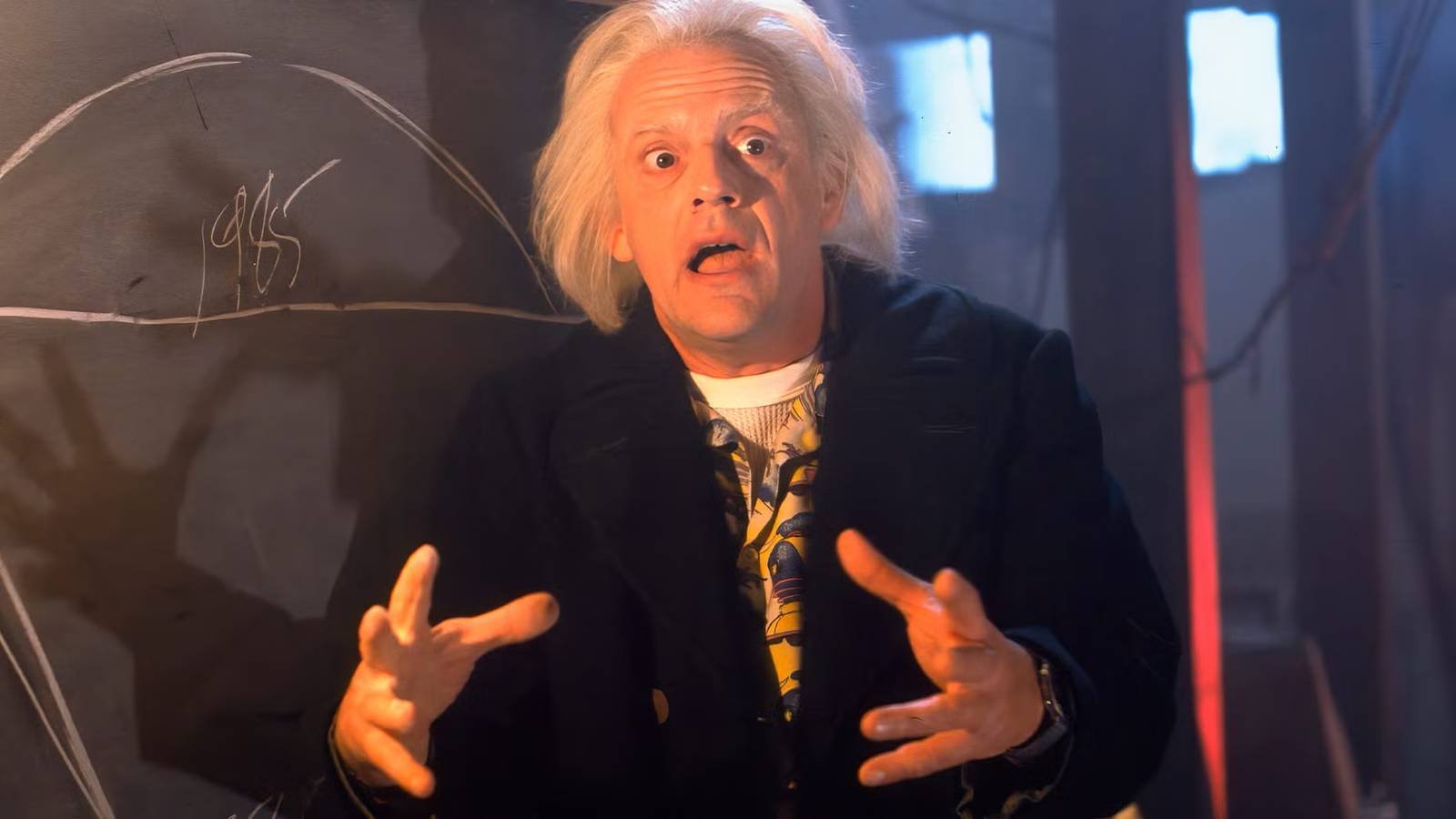
The landscape of time travel in film is predominantly populated by stories deeply embedded within the science fiction genre. These narratives typically revolve around technological marvels, intricate scientific paradoxes, and the profound implications of altering the past or future. *Back to the Future*, for instance, famously features a modified DeLorean car, powered by plutonium, allowing Marty McFly to navigate different eras to preserve his own existence. *The Terminator* saga, meanwhile, portrays time travel as a desperate tactical maneuver in an apocalyptic war against sentient machines, where soldiers are sent back to protect key figures. Similarly, Rian Johnson's *Looper* delves into a dark criminal underworld where future syndicates use temporal gates for brutal efficiency. In these instances, the mechanism of time travel—be it a machine, a genetic predisposition, or a temporal gate—is a central, often scientific, plot device that underpins the entire narrative structure, shaping the stakes and the rules of the world.
“It’s a Wonderful Life”: An Unconventional Classic Turns 80
Against this backdrop of high-tech adventures and speculative futures, Frank Capra’s *It's a Wonderful Life* emerges as an anomaly. Released in 1946, the film initially struggled at the box office and didn't achieve its iconic status until decades later, particularly when it entered the public domain in the 1970s, leading to widespread television broadcasts during the holiday season. Categorized primarily as a drama with fantasy elements, it has become synonymous with Christmas and themes of hope, gratitude, and the profound impact of an individual life. It tells the story of George Bailey, a man whose lifelong dreams are continually thwarted by his unwavering sense of responsibility to his family and the residents of Bedford Falls. On Christmas Eve, facing financial ruin and contemplating suicide, George wishes he had never been born.
Divine Intervention, Not DeLoreans: The Film’s Unique Time Travel Mechanism
The 'time travel' in *It's a Wonderful Life* is orchestrated not by a flux capacitor or a temporal displacement unit, but by a Second Class Angel named Clarence Odbody. Clarence is dispatched from Heaven to earn his wings by helping George Bailey, who is at the brink of despair. To demonstrate George's significance, Clarence grants his desperate wish: that he had never been born. This wish transports George into an alternate reality, a version of Bedford Falls where he never existed. This isn't a journey to the past to alter an event; it's an immersive experience of a hypothetical present, a 'what if' scenario that functions as a profound form of temporal displacement, allowing George to observe the ripple effects of his absence firsthand.
This spiritual form of time travel serves an entirely different purpose than its sci-fi counterparts. While science fiction often uses temporal shifts to explore causality, free will, or the potential for human error on a grand scale, *It's a Wonderful Life* uses it as a catalyst for self-discovery and a re-evaluation of one’s contributions. There are no futuristic stakes, no impending global catastrophes to prevent. Instead, the journey is deeply personal, an internal struggle for George to comprehend his intrinsic value and the unseen positive impacts he has had on his community, family, and friends. It's a journey into the soul, not through the cosmos.
The Transformative Journey of George Bailey
George Bailey’s moment of crisis is deeply relatable, embodying the universal feeling of being overwhelmed and questioning one's purpose. His wish to have never been born stems from a genuine belief that his existence has only led to misfortune for himself and others. The genius of Capra’s storytelling lies in taking this raw, human despair and transforming it into a narrative device. Clarence doesn't offer empty platitudes; he provides an empirical, albeit fantastical, demonstration. The alternate reality, devoid of George Bailey, is portrayed as 'Pottersville,' a bleak, soulless town dominated by the greedy and unscrupulous Mr. Potter. Without George's integrity and his Building and Loan association, the town's working-class citizens are left vulnerable, and many of George's loved ones face dire fates. This stark contrast powerfully illustrates George's irreplaceable contributions, making the abstract consequences of his absence tangible and immediate.
A Timeless Message of Impact and Community
Beyond its unique approach to temporal displacement, *It's a Wonderful Life* resonates profoundly due to its timeless themes. It champions the idea that wealth is measured not in money but in relationships and goodwill, celebrating the unsung heroes who forgo personal ambition for the betterment of their communities. The film offers a powerful antidote to cynicism, emphasizing hope, sacrifice, and the often-underestimated power of a single individual to make a positive difference. Its transformation from a box office disappointment to a revered holiday classic underscores its universal appeal, especially during times when people seek comfort, meaning, and connection. The film's impact extends far beyond the holiday season, influencing countless filmmakers, writers, and cultural narratives with its powerful depiction of interconnected lives.
Celebrating Eight Decades: A Look Ahead to 2026
As 2026 approaches, marking 80 years since its initial release, *It's a Wonderful Life* continues to hold a mirror up to society, prompting viewers to reflect on their own lives and contributions. Its enduring relevance speaks volumes about its masterful storytelling and the timeless nature of its themes. In an age often dominated by complex technological narratives, the film offers a refreshing, emotionally rich alternative, proving that the most profound journeys into alternate realities can be spiritual, not scientific. This milestone anniversary offers an opportune moment to revisit Frank Capra's cherished masterpiece and appreciate its unconventional genius anew.
While science fiction continues to push the boundaries of technological time travel, *It's a Wonderful Life* reminds us that the human heart can also navigate temporal complexities, offering insights into purpose and connection that no machine ever could. As we approach its 80th anniversary, this extraordinary film stands as a beacon of storytelling, proving that imagination knows no genre bounds. Dive deeper into the films that shape our culture and discover more timeless stories and insightful analyses right here on NAME OF SITE. Explore our extensive archives for reviews, retrospectives, and discussions that celebrate the art of cinema and beyond!
Fonte: https://screenrant.com