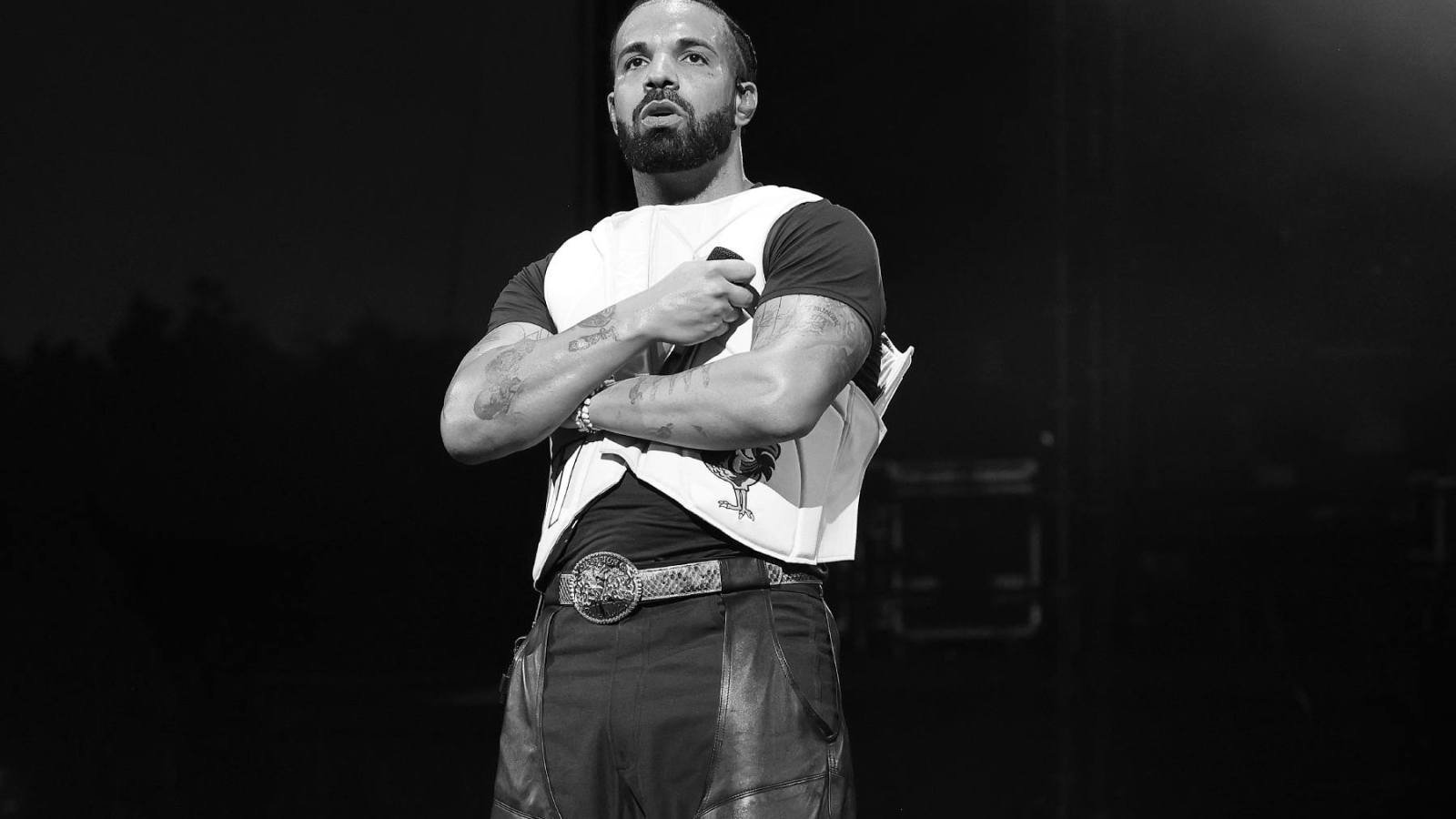
In a move that could significantly reshape the legal landscape surrounding artistic expression, particularly within the music industry, Canadian superstar Drake has formally appealed the dismissal of his defamation lawsuit concerning Kendrick Lamar's track ‘Not Like Us.’ The artist’s legal team argues that the lower court’s decision to throw out the case establishes a dangerous and "unprecedented" precedent: that rap diss tracks are inherently exempt from defamation claims, regardless of their content or factual assertions. This appeal elevates a high-profile personal feud into a critical legal debate about free speech, artistic license, and accountability in contemporary media.
The Genesis of the Legal Battle: 'Not Like Us' and its Aftermath
The legal dispute stems from the highly publicized and intense rap rivalry between Drake and Kendrick Lamar that captivated global audiences earlier this year. The beef escalated rapidly, culminating in a series of scathing diss tracks from both artists. Among these, Kendrick Lamar's ‘Not Like Us’ stood out for its highly personal and incendiary allegations against Drake. Released amidst a flurry of back-and-forth releases, the song contained specific claims regarding Drake's character and conduct, which Drake’s legal representatives assert crossed the line from artistic expression into actionable defamation. The track quickly went viral, fueling public discourse and drawing widespread attention to the specific allegations made within its lyrics.
Drake's lawsuit initially sought to hold Lamar accountable for these statements, contending they were false, damaging to his reputation, and made with malicious intent. The core of his complaint centered on the specific lyrical content of ‘Not Like Us,’ which, according to Drake, contained outright fabrications designed to injure his standing both personally and professionally. This legal challenge was unusual in the context of rap beefs, which traditionally play out purely through music and public statements, rarely spilling over into formal court proceedings.
The Lower Court's 'Unprecedented' Ruling
The initial court’s decision to dismiss Drake’s defamation claim was a pivotal moment, and one that his legal team has vehemently contested. The lower court essentially ruled that, within the specific context of a rap diss track, the nature of the genre itself provides a shield against defamation lawsuits. This interpretation suggests that listeners are expected to understand such content as hyperbole, artistic expression, or rhetorical devices characteristic of the genre, rather than factual assertions intended to be taken literally. The court’s reasoning implied that the audience implicitly recognizes the performative and often exaggerated nature of rap beefs, thus mitigating the potential for genuinely defamatory impact.
Drake’s appeal filing explicitly characterizes this ruling as "unprecedented." His lawyers argue that by creating a blanket exemption for an entire genre of music, the court has fundamentally altered established defamation law. They contend that the ruling disregards the potential for severe reputational harm, financial damages, and emotional distress that demonstrably false statements within artistic works can inflict, especially when those works reach millions of listeners globally. Furthermore, they posit that such a ruling could open the floodgates for artists to make unchecked, damaging claims under the guise of artistic freedom, without fear of legal consequence.
Navigating Defamation Law and Artistic Expression
Defining Defamation: A Legal Overview
Defamation law, generally speaking, aims to protect individuals from false statements that harm their reputation. To succeed in a defamation claim in the United States, a plaintiff typically must prove several key elements: that a false statement of fact was made about them; that the statement was published to a third party; that it caused damage to their reputation; and that the defendant acted with a certain level of fault (negligence or actual malice, depending on whether the plaintiff is a public or private figure). The distinction between a statement of fact and an opinion is crucial; opinions, even harsh ones, are generally protected under free speech, whereas false statements presented as facts are not.
The Nuance of Artistic Context
Courts have historically grappled with where to draw the line between protected artistic expression and actionable defamation. Parody, satire, and fictional works often enjoy broad protection, provided that a reasonable person would not genuinely perceive the content as literal factual claims. However, this protection is not absolute. When artistic works make specific, verifiable claims that are demonstrably false and are presented in a way that could reasonably be taken as fact, they can still be subject to defamation lawsuits. The central question in Drake's appeal revolves around whether rap diss tracks, despite their aggressive and often hyperbolic nature, fall squarely into a category where *no* statement, regardless of its factual assertion, can be considered defamatory.
Potential Implications for the Music Industry and Free Speech
Should the appellate court uphold the lower court's dismissal, the ramifications for the music industry, particularly hip-hop, could be profound. Such a ruling might embolden artists to incorporate even more aggressive and potentially damaging allegations into their music, secure in the knowledge that they are largely immune from legal challenges. While some argue this would foster unbridled artistic freedom and push creative boundaries, others express concern that it could lead to an erosion of personal accountability, allowing false narratives to spread without legal recourse. It would effectively grant a unique legal exemption to a specific form of artistic expression, potentially setting a precedent for other genres or artistic mediums.
Conversely, if Drake's appeal is successful, it could signal to artists that while creative expression is valued, it does not provide an absolute shield against defamation. This outcome might encourage a more cautious approach to lyrical content, prompting artists to consider the factual basis and potential impact of their words, especially when making direct, personal attacks. The case thus forces a critical examination of the balance between the First Amendment's protection of free speech and an individual's right to protect their reputation from malicious falsehoods.
The Broader Cultural Context of Rap Beefs
Rap beefs have been a foundational element of hip-hop culture since its inception, serving as a competitive arena where artists showcase lyrical prowess, wit, and dominance. Historically, these feuds—from the East Coast-West Coast rivalry to more contemporary clashes—have primarily been resolved within the cultural sphere, often leading to legendary tracks and enhanced public profiles for the artists involved. Legal intervention in such high-stakes artistic battles is relatively rare, making Drake’s appeal a significant departure from tradition. This case underscores a growing tension between traditional artistic norms and the increasing formality of legal frameworks in an era where digital content has instant, global reach and lasting impact.
The outcome of this appeal will not only affect Drake and Kendrick Lamar but will also likely shape how future disputes in the entertainment industry are handled. It could clarify whether certain forms of artistic expression are indeed immune to defamation claims, or if the courts will insist on a more nuanced, case-by-case evaluation of lyrical content within its specific context.
As the legal battle unfolds, the music world and legal community alike will be watching closely. The appellate court's decision holds the potential to redefine the boundaries of free speech within artistic works, establishing a crucial precedent for future cases involving public figures, artistic expression, and the enduring challenge of defamation in the digital age.
Stay informed on this developing story and other critical intersections of entertainment, law, and culture by exploring more in-depth analyses and breaking news on NAME OF SITE. Don't miss out on our expert commentary and comprehensive coverage that keeps you ahead in the ever-evolving world of digital journalism.
Fonte: https://www.rollingstone.com