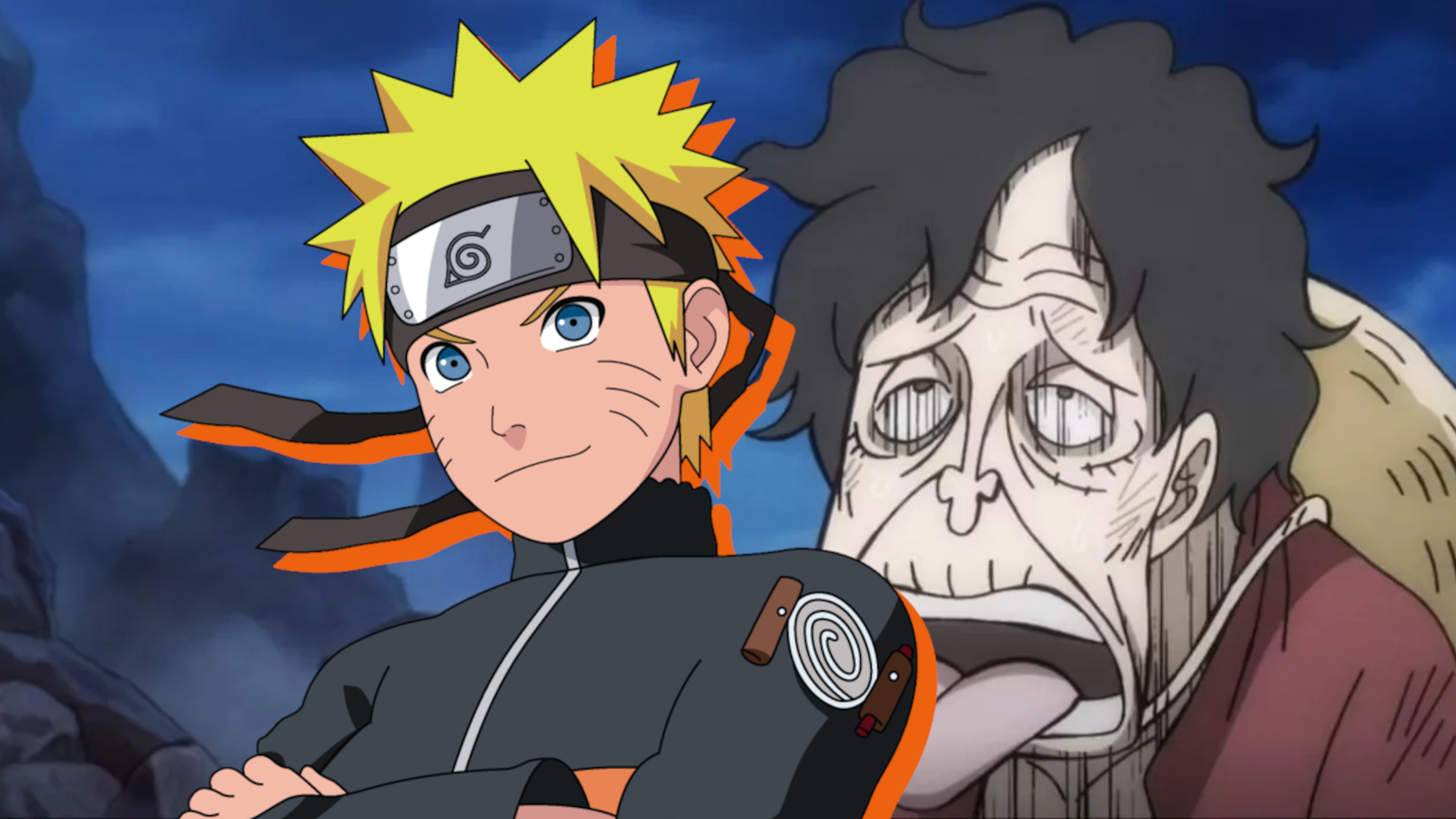
The globally celebrated anime series, One Piece, has achieved widespread acclaim, influencing new shows and even inspiring counter-cultural movements. However, a recurring criticism centers on the anime adaptation’s handling of filler content and its overall pacing, specifically which narrative diversions can be considered inessential viewing. While competing series like Naruto: Shippuden have also faced scrutiny regarding filler episodes, One Piece appears to suffer more acutely from this perceived issue.
The insertion of filler material, defined as content not derived from the original manga source material, is a common practice in long-running anime adaptations. These diversions are often implemented to allow the manga series to progress, thereby preventing the anime from overtaking the source material and potentially running out of story content. While the intention behind filler episodes is often practical, their execution and integration into the main narrative can significantly impact the viewing experience.
For One Piece, the sheer volume and perceived uneven quality of filler arcs have become a point of contention among its dedicated fanbase. Critics argue that these deviations disrupt the narrative flow, introduce unnecessary subplots, and detract from the overall momentum of the core storyline. Furthermore, the placement of filler arcs can sometimes feel jarring, interrupting crucial plot developments and diluting the impact of key emotional moments.
Comparatively, although Naruto: Shippuden also incorporates filler content, some viewers contend that its filler is more seamlessly integrated or less disruptive to the primary storyline. This is not to say that Shippuden’s filler is universally praised, but rather that One Piece has received more vocal criticism regarding the volume and impact of its non-canon additions.
The issue of filler in One Piece is further complicated by the series’ already deliberate pacing. Some viewers find the anime’s adaptation of the manga panels to be overly stretched, resulting in a slower narrative progression than they would prefer. When combined with the inclusion of filler arcs, the overall pacing can become a significant source of frustration for those eager to see the main storyline advance.
The debate surrounding One Piece’s filler highlights a persistent challenge in adapting long-running manga series into anime format. Balancing the need to avoid overtaking the source material with the desire to maintain a compelling and engaging viewing experience requires careful consideration and execution. While filler episodes may serve a practical purpose, their impact on the overall narrative and viewer satisfaction can be substantial.
Fonte: screenrant.com