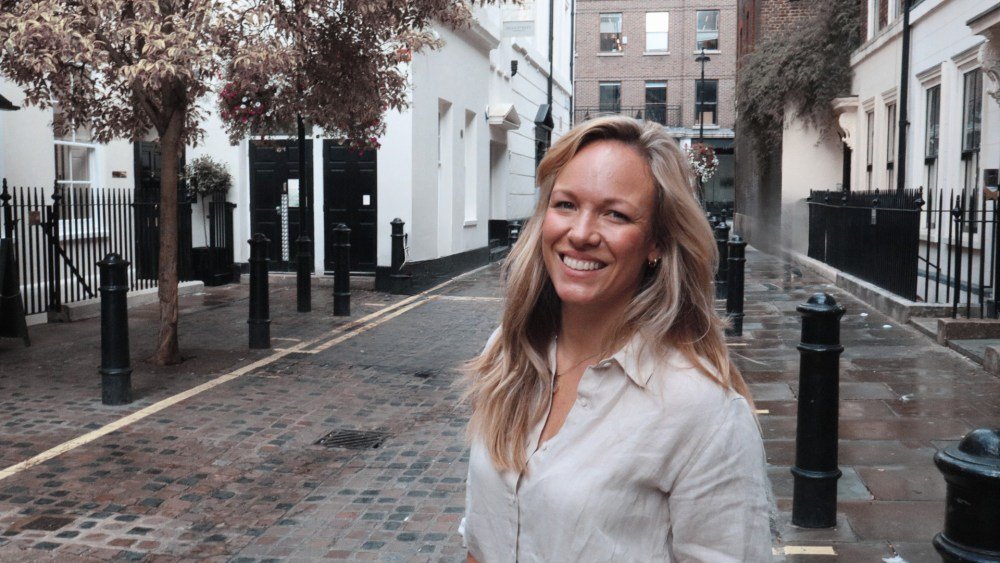
A comedian’s creation of a satirical character has ignited a conversation regarding the growing role of artificial intelligence in filmmaking and its potential impact on the industry. The Dutch comedian, Eline Van der Velden, while pursuing acting opportunities in Los Angeles, conceived the character in 2012 after repeated feedback about her physical appearance. The character, envisioned as a female counterpart to Borat, was initially designed to critique unrealistic beauty standards through comedic exaggeration.
Van der Velden channeled her frustrations into developing “Miss Holland,” a deliberately absurd persona that challenged conventional notions of beauty. The character quickly gained traction, highlighting the comedian’s talent for satire and social commentary.
However, the project has evolved beyond its initial comedic intent. Van der Velden is now exploring the possibilities of using artificial intelligence to create entire films featuring “Miss Holland.” This development has sparked both excitement and apprehension within the entertainment world.
Proponents of AI in filmmaking tout its potential to democratize the creative process, enabling independent filmmakers to produce high-quality content with limited resources. They also suggest that AI could streamline production workflows, reducing costs and timelines.
However, concerns have been raised about the authenticity of AI-generated performances and the potential displacement of human actors and creatives. Critics argue that AI-driven content lacks the emotional depth and nuance that comes from human experience. There are also ethical considerations surrounding the use of AI to mimic human performances without consent or compensation.
Van der Velden believes that as AI technology advances, it will become increasingly difficult to distinguish between AI-generated and human-performed content. When questioned about this prospect, she said she does not believe people will know the difference. This assertion raises profound questions about the future of acting and the nature of authenticity in a digital age.
Furthermore, Van der Velden emphasizes the job creation aspect of her venture, arguing that the development and implementation of AI in filmmaking will generate new opportunities for skilled professionals. She envisions a future where humans and AI collaborate to create innovative and engaging content. However, the long-term impact on employment within the entertainment industry remains a subject of ongoing debate and uncertainty. As AI continues to evolve, the entertainment industry faces the challenge of navigating the complex intersection of technology, creativity, and human artistry.
Fonte: variety.com